When to visit Sri Lanka
The island runs two monsoons on opposite coasts at opposite times, which means there is no bad month — only a wrong coast for the month you have chosen.
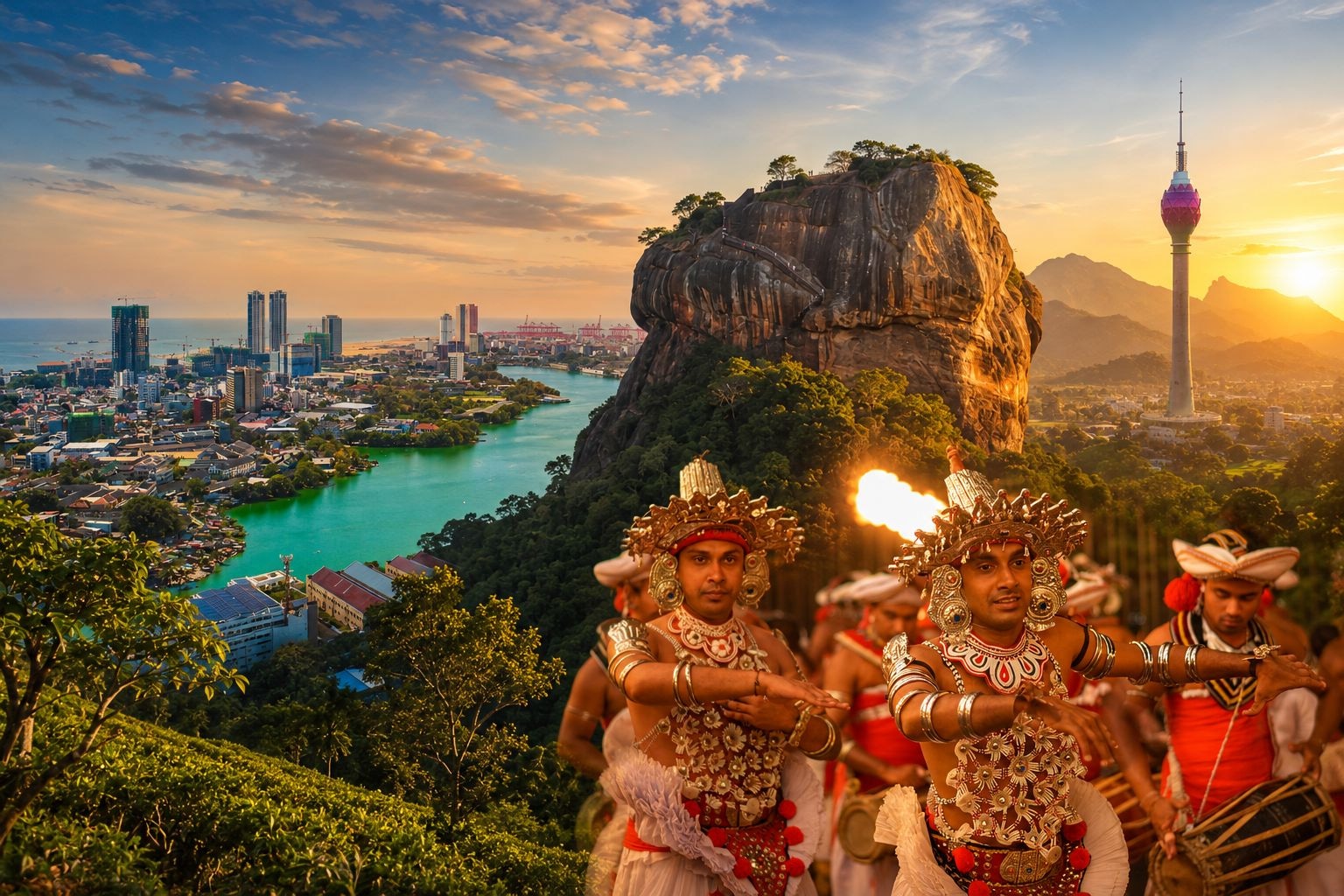
Almost every disappointing trip to Sri Lanka is a timing problem. Not a hotel problem, not a guide problem — the wrong coast in the wrong month. The good news is that this is the easiest thing in the whole itinerary to get right, and once you have, very little else can go badly wrong.
Two monsoons, and why that is good news
Sri Lanka sits in the path of two separate monsoon systems that arrive from opposite directions at opposite times of year. The Yala monsoon comes in from the south-west between roughly May and September. The Maha monsoon comes from the north-east between roughly October and January. Because the central highlands stand in the middle, each system soaks one side of the island and largely leaves the other alone.
The practical consequence is the single most useful fact about travelling here: there is no closed season. There is only a correct coast for the month you have available. A July trip is not a bad Sri Lankan trip; it is a bad south-coast trip and an excellent east-coast one.
Month by month, by region
The table below is the compressed version of what we tell people on a first call. It is a guide to probability rather than a forecast — monsoon onset shifts by two or three weeks either way each year, and climate variability has made the edges of each season less reliable than they were a decade ago.
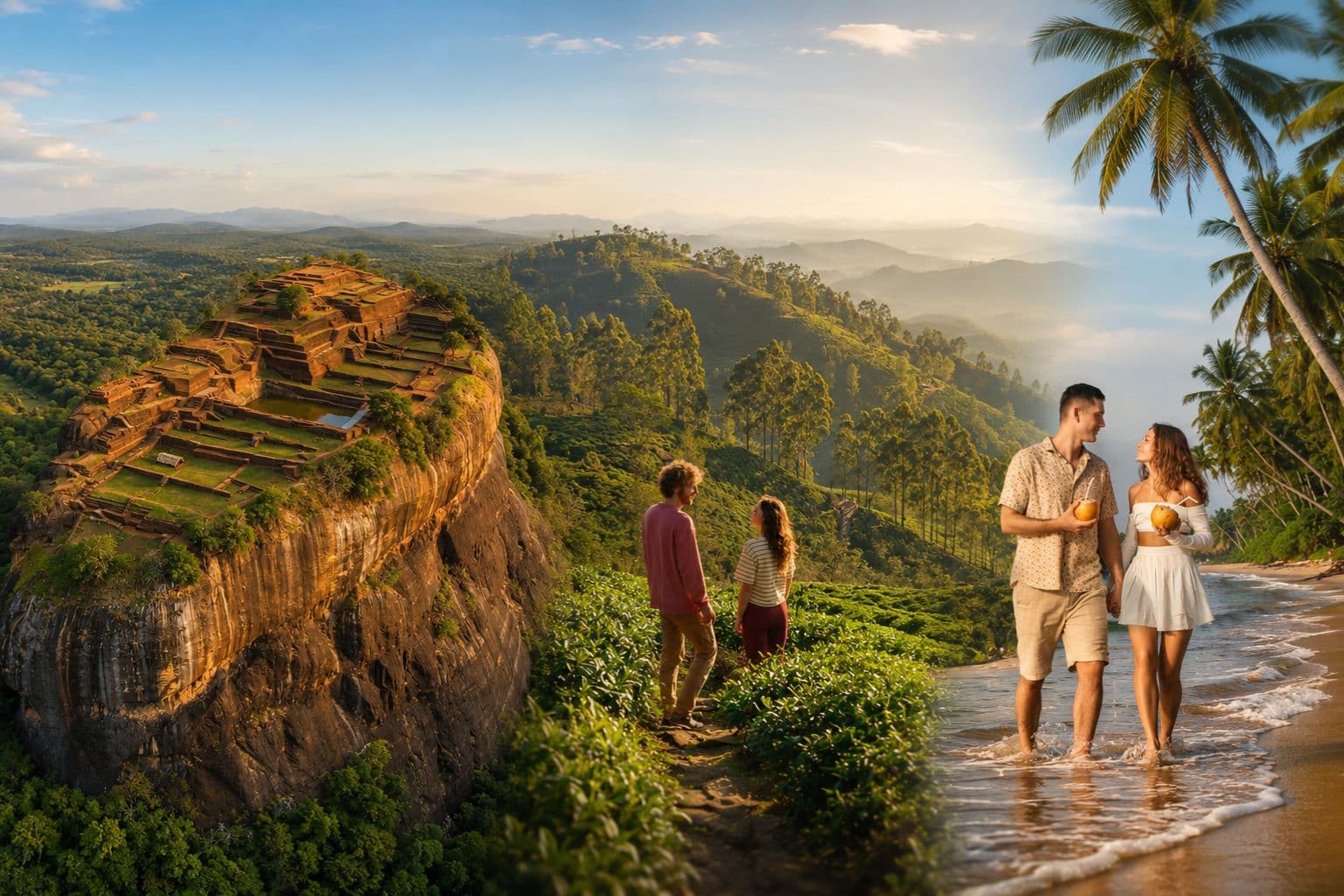
If you are coming for the wildlife
Wildlife timing does not follow the tourist calendar, and this is where people most often get caught out. Three things move independently of each other, and no single month gives you all of them at their best.
- Leopard at Yala is best February to July, when the dry season concentrates animals around shrinking waterholes and thins the vegetation. Block One usually closes in September and October for drought management.
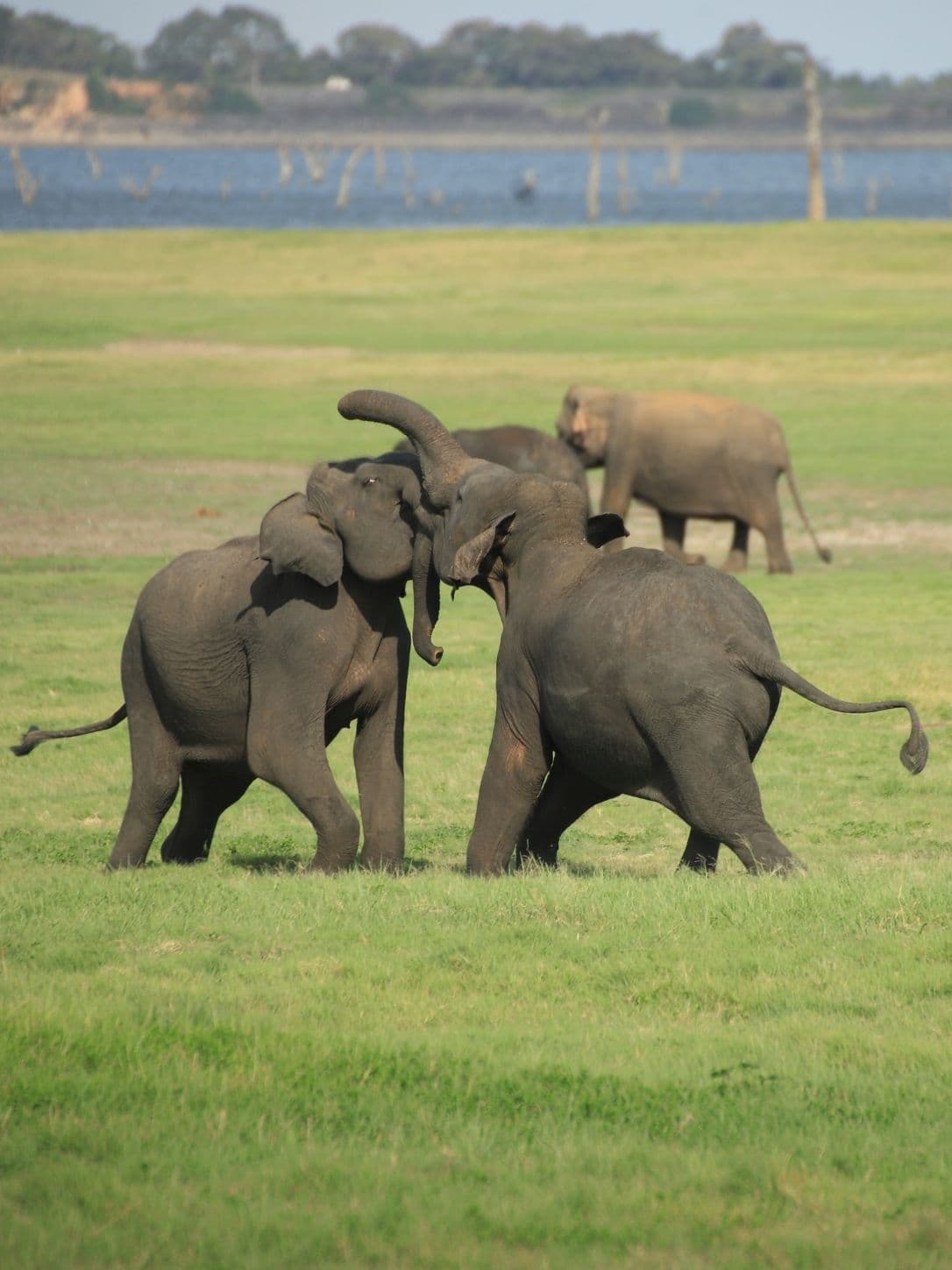
- The Minneriya elephant gathering peaks roughly July to September, when the reservoir recedes and grass comes up on the exposed bed. In a wet year it is less dramatic and later.
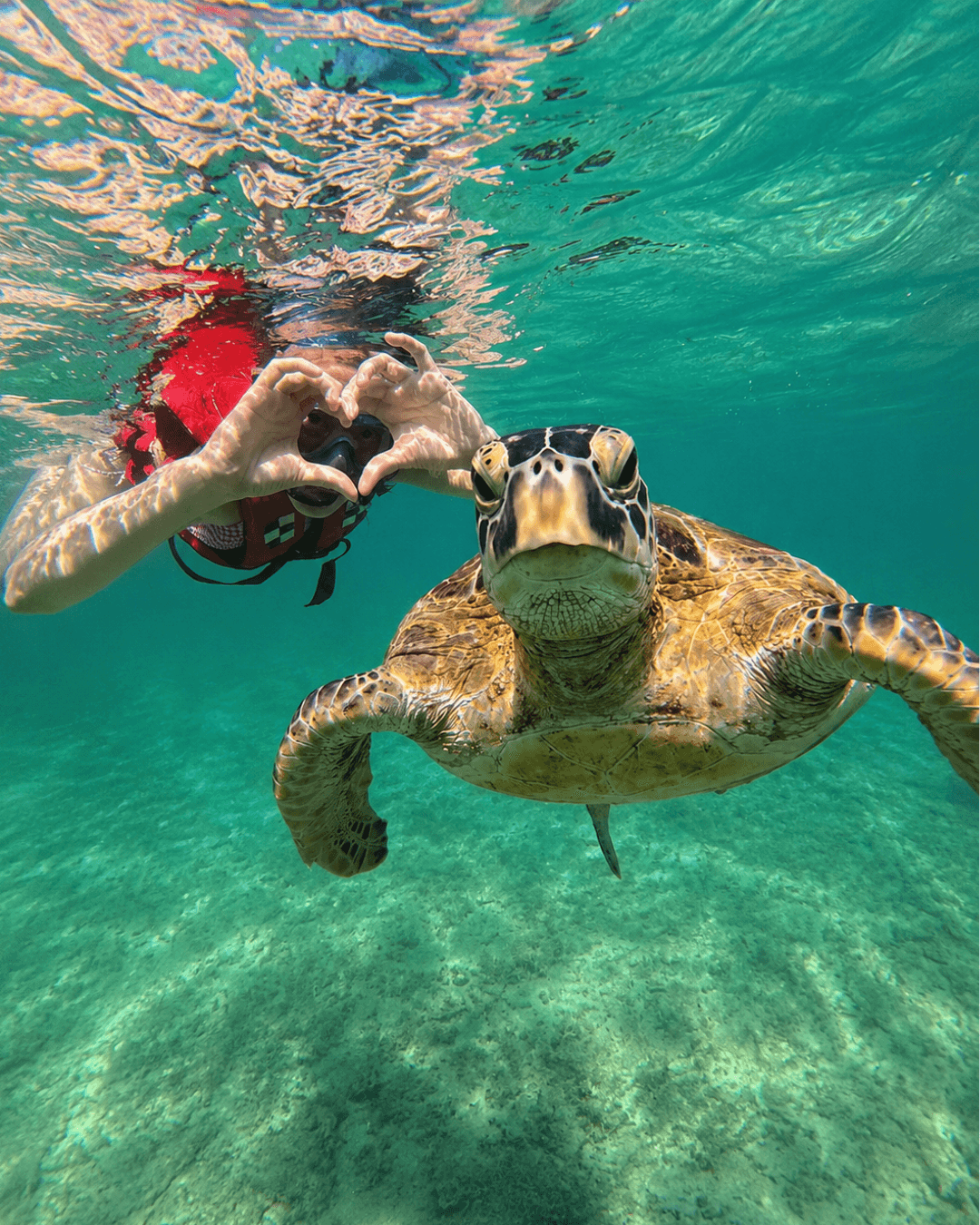
- Blue whales pass Mirissa on the south coast between December and April, and Trincomalee on the east between May and September. It is the same activity on opposite monsoons.
Crowds, cost and the local calendar
Weather is only half of the timing question. December through to early March is the international high season on the south and west coasts: the best conditions, the highest rates, and hotels that need booking months rather than weeks ahead. Christmas and New Year in particular are booked out by the previous spring at the properties worth staying in.
April brings the Sinhala and Tamil New Year, when Sri Lanka itself goes on holiday. The hill country — Nuwara Eliya especially — fills with domestic visitors, rates climb, and the atmosphere is genuinely enjoyable if you know it is coming. It is a poor month to expect a quiet tea estate.
The Esala Perahera in Kandy falls in July or August, following the lunar calendar, and runs for ten nights. It is one of the great religious processions in Asia. It also fills the city completely and triples accommodation rates, so it is either the reason you are there or a week to route around.
The month you have chosen is more consequential than every hotel decision in the itinerary combined, and it is the one thing most people decide before they speak to anyone.
The case for the shoulder months
May, June and September are the months we most often recommend to people with flexible dates, and the ones travellers are most often nervous about. On the south coast May and June are genuinely wet. But the Cultural Triangle is dry, the east coast is opening up, rates are meaningfully lower and the sites are quiet. An itinerary built north-and-east in those months is excellent value and very few people are doing it.
October and November are the two we would actively steer you away from if the trip is flexible. It is the inter-monsoon period, both coasts can be unsettled at once, and the hill country tends to sit under cloud — which matters because the view is the entire reason to go up there.
Questions
What people ask us
October and November are the least reliable, because the inter-monsoon can leave both coasts unsettled at the same time and the hill country under cloud. Everything else works somewhere on the island.
You can, but in most months one of them will be in monsoon, so you would be spending driving days to reach weather you did not want. We would rather build the whole trip around the coast that is working.
For December to March, three to four months, and longer over Christmas and New Year. Outside peak season six weeks is usually comfortable. Anything involving the Kandy Perahera needs considerably more.
Journeys
Where this turns into a trip
Each is private and fully adjustable — a shape to start from rather than a package.
Places
Mentioned in this piece
Keep reading
More from the journal
Tea Country3 min read
The Kandy to Ella train, honestly
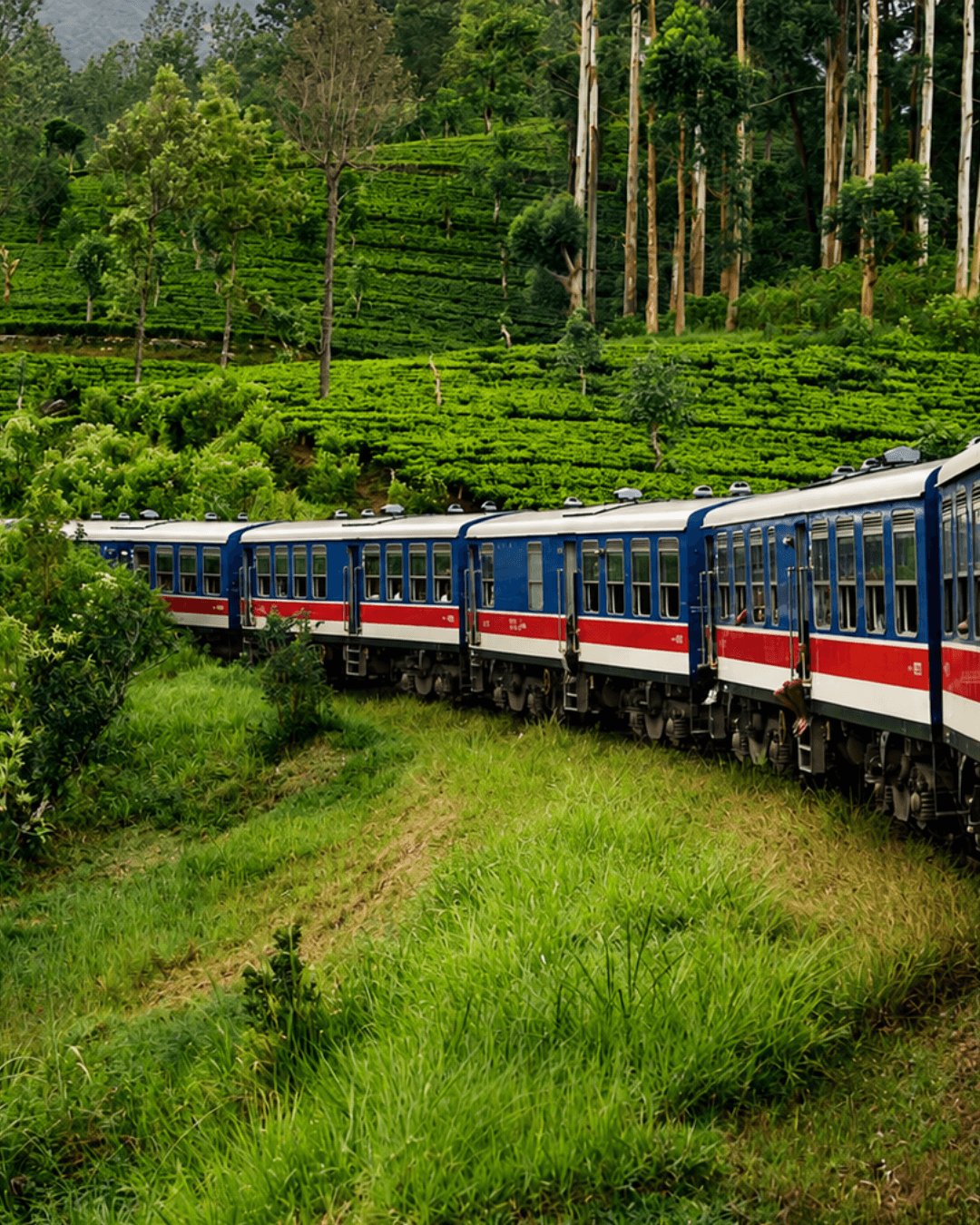
It is the most photographed railway journey in Asia and it is genuinely worth doing. Here is what the photographs leave out.
Honeymoon3 min read
A honeymoon that is not a checklist
The most common mistake in a Sri Lankan honeymoon is trying to see the whole island. The fix is uncomfortable to accept and obvious in hindsight.
Wellness3 min read
Ayurveda, or a spa menu
Sri Lanka has a genuine Ayurvedic tradition and a large industry built on top of it. Telling them apart before you book is worth more than any amount of research afterwards.
When you are ready
Turn this into a journey.
Tell us roughly when you want to travel and what matters to you, and we will come back with a considered outline.