Ayurveda, or a spa menu
Sri Lanka has a genuine Ayurvedic tradition and a large industry built on top of it. Telling them apart before you book is worth more than any amount of research afterwards.
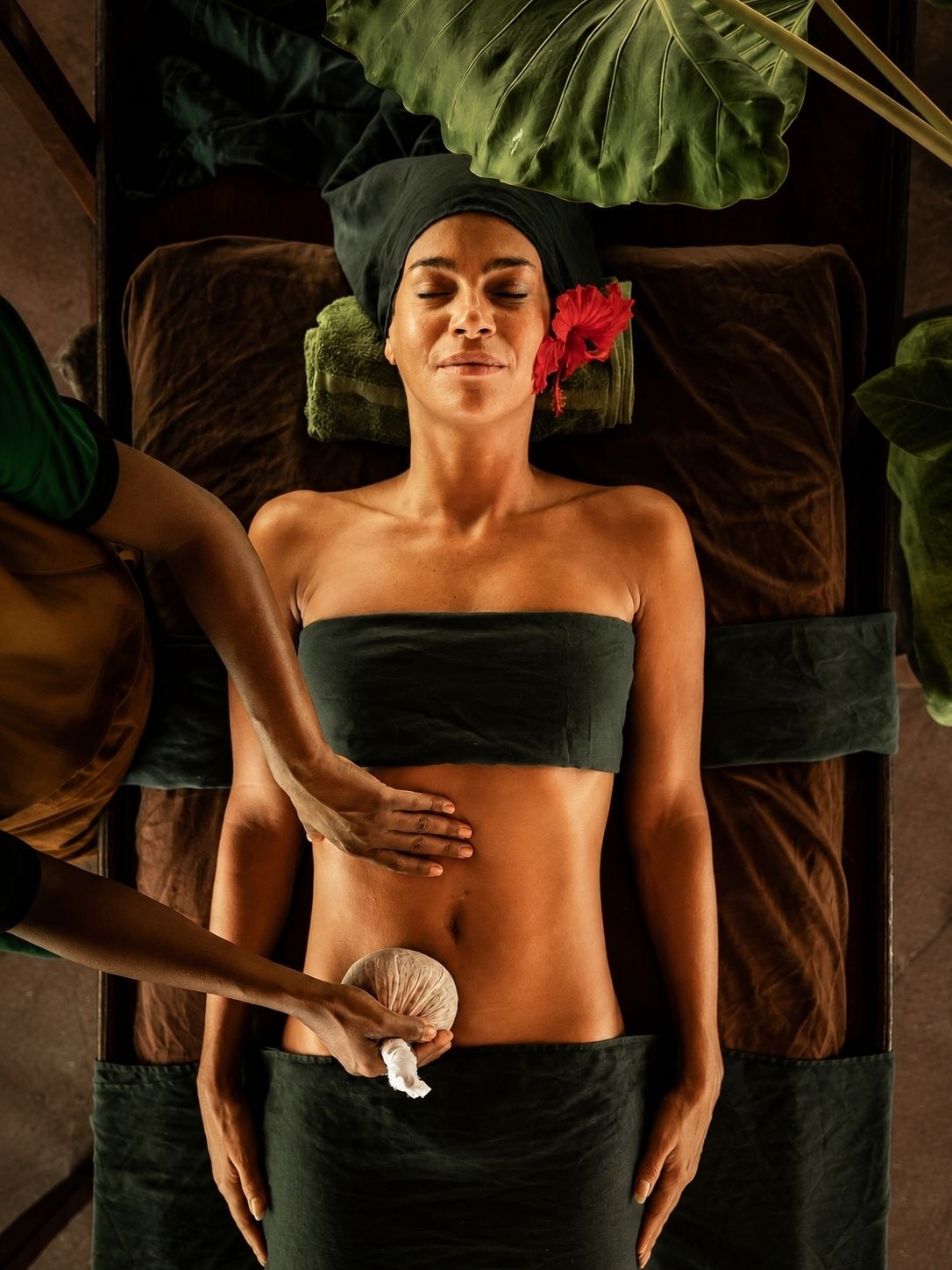
Two properties can offer what looks like the same thing at roughly the same price. At one, a physician takes a history, reads your pulse and prescribes a programme that changes as the week goes on. At the other, you choose from a laminated list. Both are pleasant. Only one is doing what the brochure implies.
What Ayurveda actually claims to be
Ayurveda is a diagnostic system before it is a treatment system. The premise is that a practitioner assesses your particular constitution and current imbalance, and prescribes accordingly — diet, herbal preparations, oil therapies, daily routine. Two people arriving on the same day with the same complaint should leave with different programmes.
That is the whole logic of it. Which means the single most useful diagnostic question for a visitor is not about the treatments on offer. It is: who decides what I receive, and when do they decide it?
How to tell before you pay
- 01Is there a resident doctor, on site, every day? Not a visiting consultant once a week.
- 02Does a consultation happen before any treatment is prescribed, rather than as a formality afterwards?
- 03Does the programme change mid-stay if your body responds unexpectedly? A fixed schedule printed on arrival is a package, not a prescription.
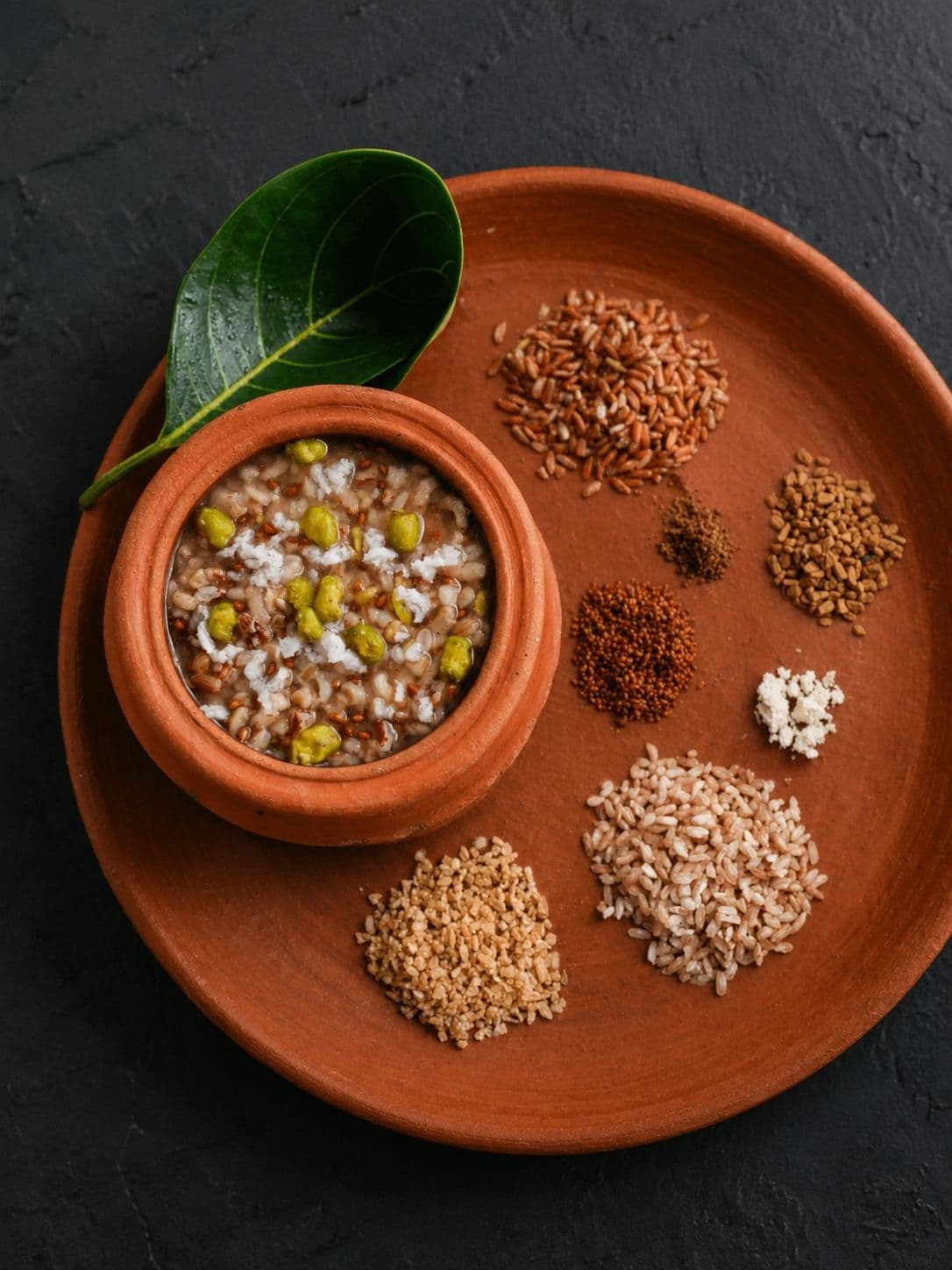
- 04Is diet part of the treatment? A genuine course decides what you eat. If the à la carte menu and the wine list are unchanged, the food is not part of the therapy.
- 05Are the therapists trained in Ayurveda specifically, or are they spa therapists delivering an oil massage?
How long it needs to be
This is where expectations most often part company with reality. A full panchakarma course — the deep cleansing programme most people have read about — runs fourteen to twenty-one nights. There is no compressed version. The sequence has phases, and cutting it short does not deliver a proportionally smaller result; it delivers a different and incomplete one.
Under seven nights is an introduction: a consultation, some oil therapy, a sense of what the tradition is like. That is a perfectly good thing to want, and it combines well with seeing the country. It is simply not the thing the literature describes, and we would rather say so at the planning stage.
What a real course is actually like
It is worth knowing that a proper programme is not a luxury spa week. Meals are decided for you and are usually vegetarian and lightly spiced. Alcohol is generally out. Days are structured around treatment times. Some therapies are more clinical than relaxing, and the middle of a longer course can feel worse before it feels better, which is expected.
People who book a fortnight of panchakarma alongside expectations of wine with dinner have a difficult week four days in. It is the most avoidable disappointment in Sri Lankan wellness travel.
What we usually suggest
For most travellers on a first visit, the shape that works is country first, retreat second. The Cultural Triangle and the hill country while you have the energy and appetite for early starts, then a stationary stretch on the coast at the end where the only thing on the schedule is treatment and the sea.
If what you actually want is the full course, that is a different itinerary altogether — one property, two or three weeks, and very little driving. We would build that rather than trying to fold it into a touring trip, and we would tell you which of the two you appear to be describing.
Questions
What people ask us
Yes, as an introduction. A consultation and a few days of prescribed treatment is a genuine experience of the tradition and it combines well with a touring itinerary. It is simply not panchakarma, and a good property will tell you that too.
During a prescribed course, generally yes — diet is part of the treatment. On a short introductory stay it is usually more relaxed. Worth establishing before booking rather than discovering on arrival.
Reputable practitioners here are careful about what they claim, and so are we. Treat it as complementary rather than as a substitute for medical care, and tell the physician about any existing condition or medication at the consultation.
Journeys
Where this turns into a trip
Each is private and fully adjustable — a shape to start from rather than a package.
Places
Mentioned in this piece
Keep reading
More from the journal
Sri Lanka Travel Guide3 min read
When to visit Sri Lanka
The island runs two monsoons on opposite coasts at opposite times, which means there is no bad month — only a wrong coast for the month you have chosen.
Honeymoon3 min read
A honeymoon that is not a checklist
The most common mistake in a Sri Lankan honeymoon is trying to see the whole island. The fix is uncomfortable to accept and obvious in hindsight.
Wildlife3 min read
Getting the leopard right
Yala holds the densest leopard population recorded anywhere, and the highest chance of spending your morning in a queue of jeeps. The difference is almost entirely timing.
When you are ready
Turn this into a journey.
Tell us roughly when you want to travel and what matters to you, and we will come back with a considered outline.