Deepavali in Sri Lanka: how the day unfolds, where to see it, and how to travel around it
Deepavali, the festival of lights, is a public holiday in Sri Lanka on Sunday 8 November 2026. It is celebrated from Jaffna to the tea estates of the hill country, and it is easy to travel through. Here is what happens, where, and how to be a good guest.
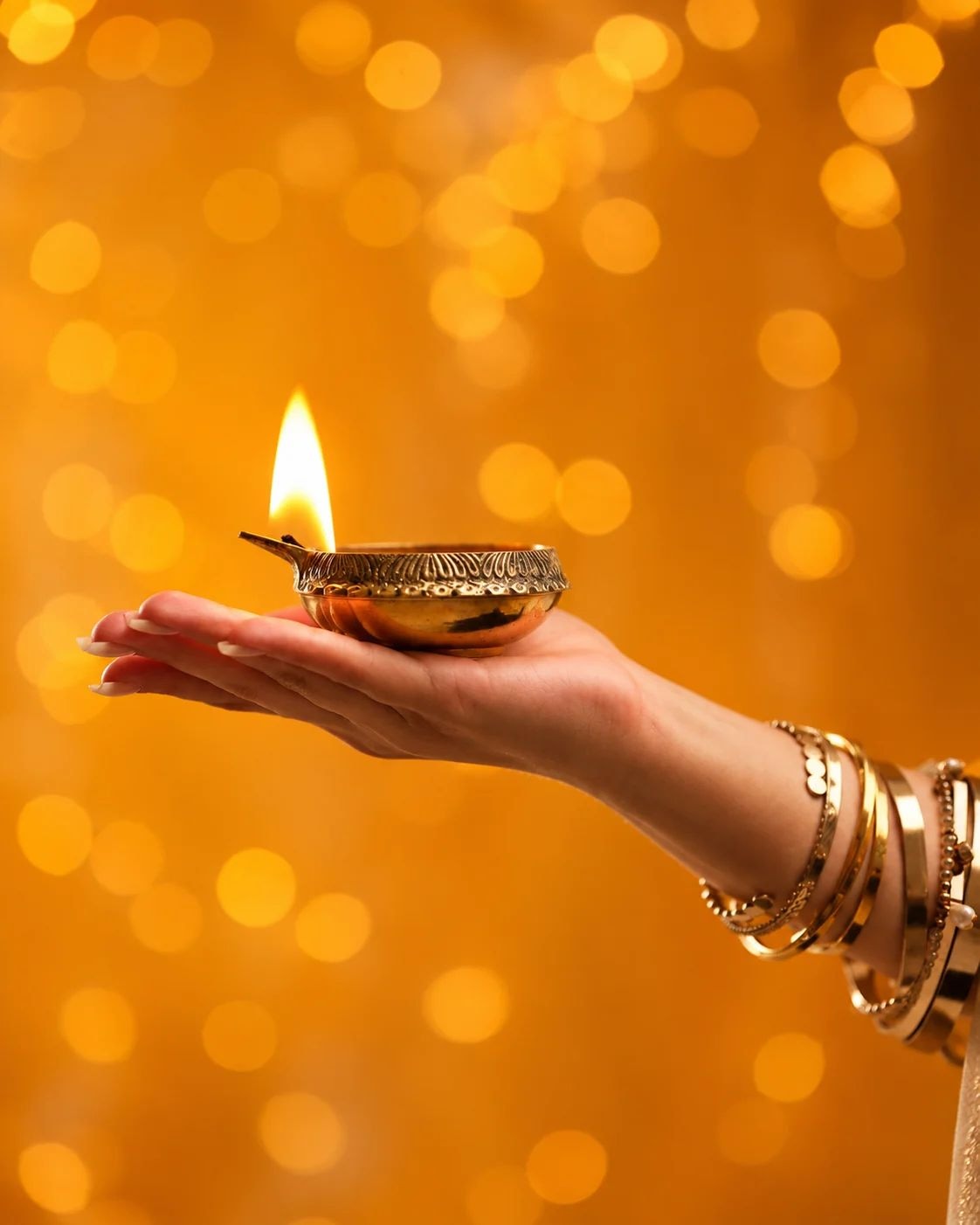
Deepavali, the Hindu festival of lights, is a public holiday in Sri Lanka on Sunday 8 November 2026, and on Thursday 28 October in 2027. It is celebrated most warmly in Jaffna, the tea-estate communities of the hill country, the east coast towns and Colombo's Tamil neighbourhoods. Travel is easy; just plan the day itself lightly.
Most guides describe Deepavali as a northern festival. It is just as much a festival of the hills: for the Tamil families who have worked the tea estates for generations, it is one of the biggest days of the year. If you are staying on an estate in early November, you may see more of it than you would in Jaffna.
Is Deepavali a good time to visit Sri Lanka?
Yes, for culture, food and atmosphere, as long as your route suits early November's weather.
What Deepavali does well
- Warmth. Families in new clothes, temples full, sweets shared with neighbours and guests.
- Light. Oil lamps in doorways and windows at dusk, and fireworks after dark.
- Food. Murukku, laddu and other festive sweets in every Tamil home and bakery.
- A different side of the island, in the Tamil communities of the north, the east and the hills.
What it does not do well: big public spectacles, beach holidays in the north or east (which are in their wet season), and long transfers on the day itself.
How the day unfolds
- 01Before dawn: the oil bath. Families rise early for a ritual bath with oil, the start of the day. Some families observe it on the morning before the public holiday.
- 02Morning: new clothes. Everyone dresses in new clothes, often bought in the busy markets of the days before.
- 03Mid-morning: the temple. Families visit the kovil for prayers and offerings, and temples are at their busiest.
- 04Midday: sweets and visits. Homes fill with relatives and neighbours, and plates of sweets pass between houses.
- 05Dusk: the lamps. Small clay oil lamps are lit along doorsteps, windows and courtyards.
- 06Evening: fireworks, and a family meal.
Where to see it
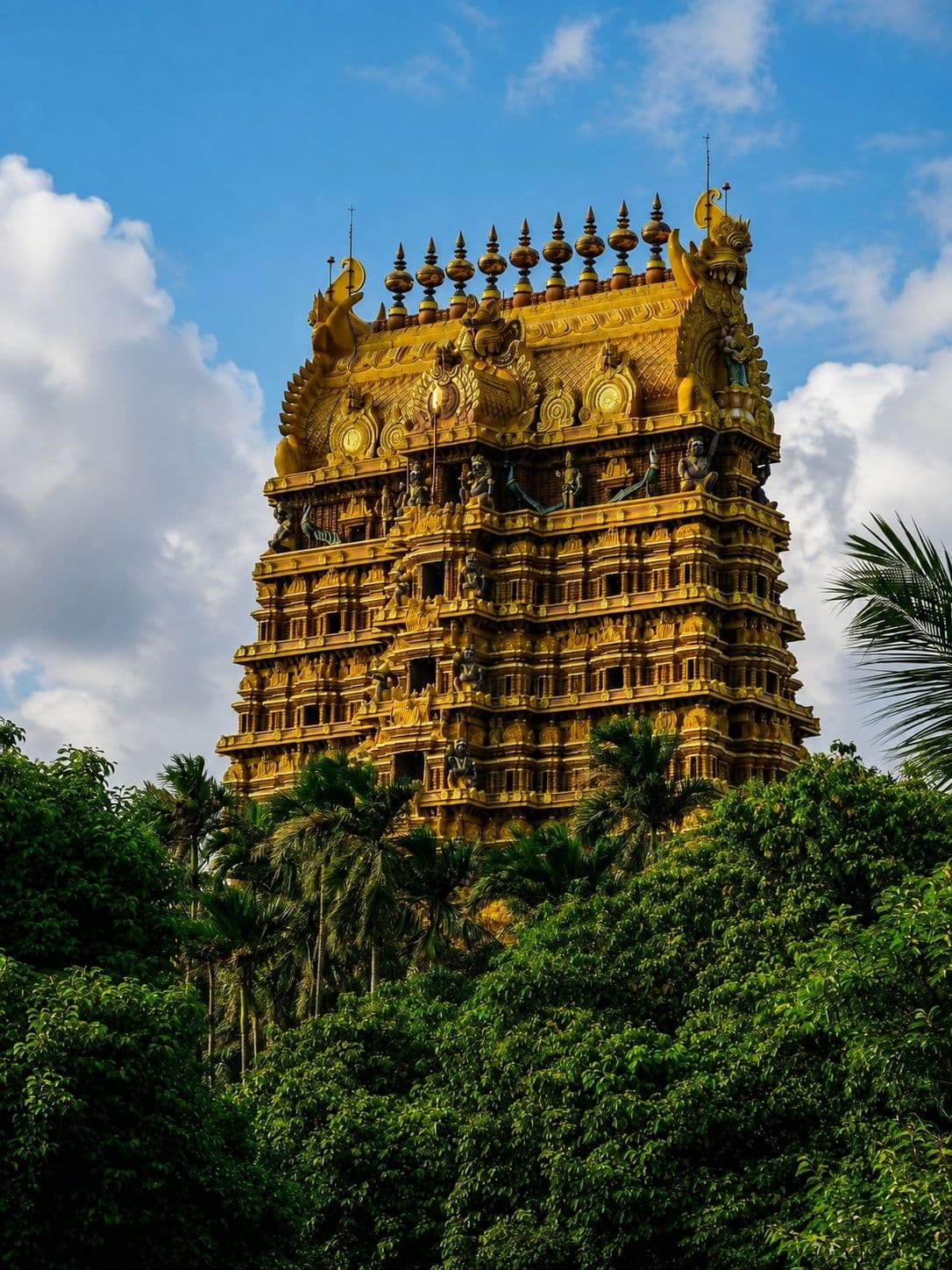
Jaffna and the north. The heart of Tamil Sri Lanka, with Nallur Kandaswamy Kovil and hundreds of smaller temples full of worshippers. Early November is Jaffna's wettest season, so expect rain; see our Jaffna travel guide.
The hill country. The tea-estate communities around Hatton, Nuwara Eliya and Badulla celebrate in their own way: the towns are crowded with shoppers in the days before, and the estate temples and homes are lit after dark. Matale's Sri Muthumariamman temple, on the road from the Cultural Triangle, is one of the great Hindu temples of the hills.
The east. Trincomalee, around Koneswaram temple, and Batticaloa both celebrate widely, though the north-east monsoon is arriving.
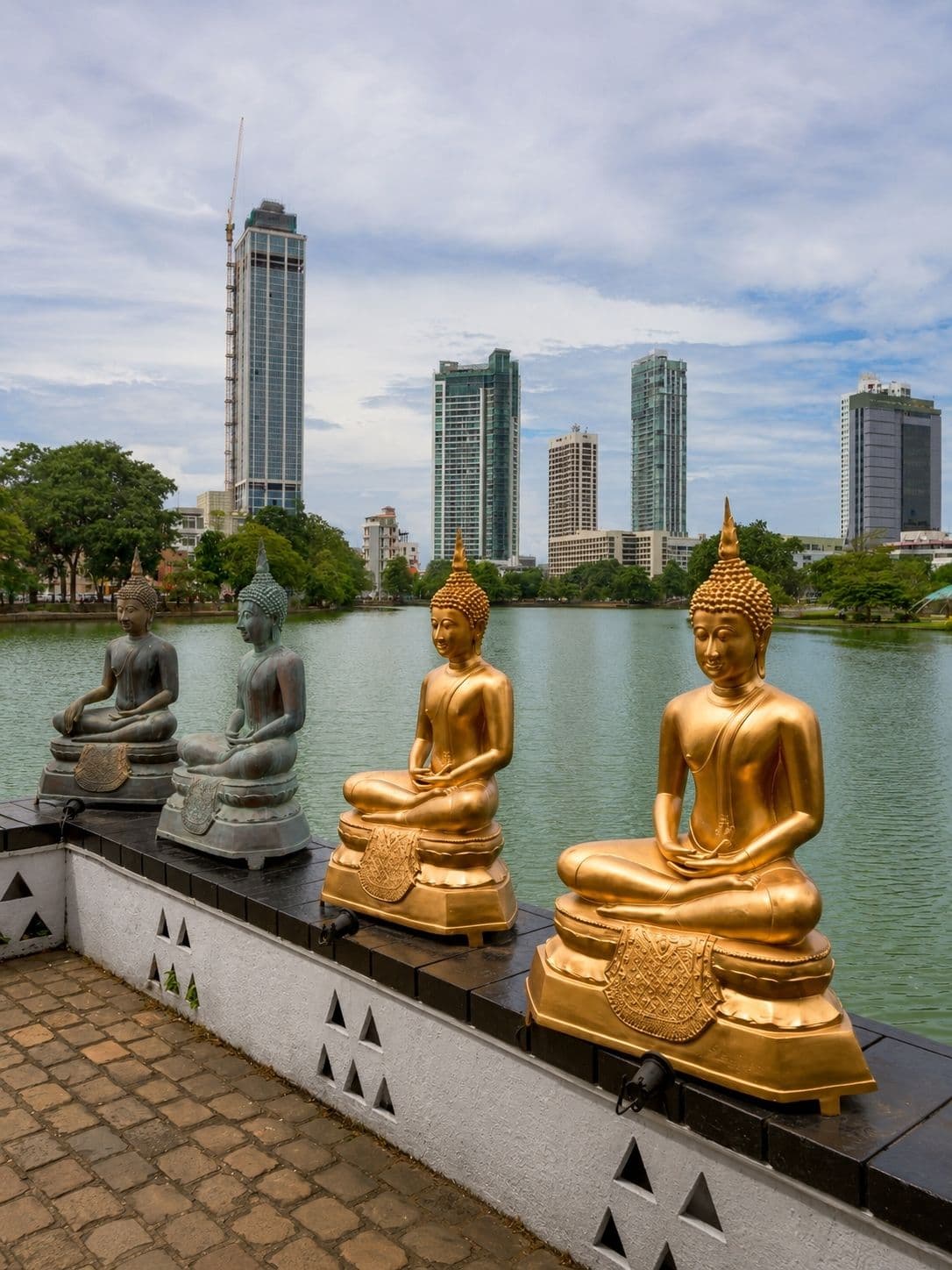
Colombo. The festival is strongest in the Tamil neighbourhoods of Wellawatte and Kotahena, at the Captain's Garden Kovil, and in the Pettah markets, busy with festive shopping in the days before; see Colombo in one day.
Deepavali is not a festival you watch. It is one you are invited into, if you arrive as a guest rather than a spectator.
Visiting temples respectfully
- Dress: cover your shoulders and knees, and remove shoes before entering.
- At some temples, such as Nallur in Jaffna, men are asked to remove their shirts.
- Photography: ask before photographing worshippers, and never photograph inside the inner sanctum.
- Be unobtrusive: do not walk in front of people at prayer, and stand aside during processions.
- If you are offered sweets, accept them with your right hand. It is a gesture of welcome.
What closes, and what does not
Deepavali is a public and bank holiday. Government offices and banks close, and many shops in Tamil areas close or open briefly. Hotels, most restaurants in tourist areas, and sights outside Tamil areas carry on as normal.
In 2026, the holiday falls on a Sunday, so it adds few closures to a normal weekend. The days before matter more: buses, trains and roads into the hill country and the north fill with people travelling home, and town centres are crowded with shoppers.
The weather in early November
Early November is the inter-monsoon, and the north-east monsoon is arriving in the north and east. Expect afternoon storms almost anywhere: Jaffna and the east are entering their wettest weeks, and the hills are wet too. The Cultural Triangle and the south coast are often more settled, though not yet in their best season.
Plan outdoor sightseeing for the mornings, and keep routes flexible. We explain the season in Sri Lanka's second inter-monsoon.
Dates worth knowing
- Saturday 7 November 2026: the eve of Deepavali, when many families begin the festivities, including the dawn oil bath.
- Sunday 8 November 2026: Deepavali, a public and bank holiday.
- About a week later: Kanda Shashti, the festival of Lord Murugan, at Murugan temples including Nallur.
- Tuesday 24 November 2026: Il Full Moon Poya. Alcohol and meat are not sold.
- Thursday 28 October 2027: Deepavali next year, earlier in the season.
A route around Deepavali
For early November 2026:
- 01Nights 1 to 3: the Cultural Triangle, with a stop at the Sri Muthumariamman temple in Matale on the way south.
- 02Night 4: Kandy.
- 03Nights 5 and 6: a tea estate near Hatton, timed for 8 November, when the estate communities celebrate.
- 04Day 7: the train from Nanu Oya to Ella.
- 05On to Yala and the south coast, as the south-west settles into its season.
This follows our Ceylon Icons journey, timed for the festival. It is also how we plan at Siri Siri Lanka Traveller, which Mahinsa founded to pair the privacy and comfort of a private journey with real time to slow down. A quiet festival day on a tea estate, with lamps lit in the valley at dusk, is that idea at its best.
What to book first
- 01Your hotel for the night of 8 November, in the hills, the north or Colombo.
- 02Transport for the days before, when roads and trains into the hills and the north are busy.
- 03A guide, if you would like to visit a temple during the festival and understand what you see.
- 04The rest of the route, with the weather in mind.
Who Deepavali suits
- Travellers interested in culture and faith.
- Those staying on a tea estate in early November.
- Visitors to Jaffna and the north, who do not mind the rain.
- Food lovers, for the sweets.
Less suited: anyone set on beaches in the north or east, which are in their wet season, and travellers who would rather avoid busy roads in the days before.
If you would like your trip to include Deepavali, tell us your dates. We will place you where the festival is warmest, keep the day itself unhurried, and make sure you arrive at the temple as a welcome guest. Plan my Sri Lanka trip.
Last checked 31 October 2026.
Author @Mahinsa Hennakgedara
Discussion
Your turn — been there, or heading there?
Questions
What people ask us
In 2026, Deepavali is on Sunday 8 November, a public and bank holiday, with many families beginning the festivities on the eve, Saturday 7 November. In 2027, it falls on Thursday 28 October.
Yes. Government offices and banks close, and many shops in Tamil areas close or open briefly. Hotels, most tourist restaurants and sights outside Tamil areas stay open. Roads, buses and trains into the hill country and the north are busiest in the days before the festival.
Jaffna and the north, for the temples, though early November is the wettest season there. The tea-estate communities of the hill country around Hatton and Nuwara Eliya also celebrate warmly, and Colombo's Tamil neighbourhoods of Wellawatte and Kotahena are lively in the days before.
Yes, as respectful guests. Cover your shoulders and knees, remove your shoes, and be ready for men to be asked to remove their shirts at some temples, such as Nallur. Ask before photographing worshippers, never photograph the inner sanctum, and accept any sweets offered with your right hand.
It works, with flexibility. Early November is the inter-monsoon, with afternoon storms almost anywhere, and the north and east are entering their wet season. Plan sightseeing for the mornings, favour the Cultural Triangle, the hills and the south, and keep routes flexible.
Journeys
Where this turns into a trip
Each is private and fully adjustable — a shape to start from rather than a package.
Places
Mentioned in this piece
Keep reading
More from the journal
Culture6 min read
Polonnaruwa travel guide: a route through the ancient city, tickets, and how to see it before the heat
Polonnaruwa is Sri Lanka's medieval capital, an hour from Sigiriya: palaces, temples and four giant Buddhas carved from one granite face. Here is the route that makes sense of it, what the ticket costs, and why the first hour of the day is the one that matters.
Sri Lanka Travel Guide6 min read
Colombo in one day: a plan by neighbourhood, Geoffrey Bawa's city, and whether you need a night at all
Most Sri Lanka trips do not need a day in Colombo. But the city is better than its reputation, and a day spent well, sorted by neighbourhood so you are not crossing town in traffic, makes a good start or end to a trip. Here is how.
Sri Lanka Travel Guide6 min read
Sri Lanka in 14 days: a day-by-day route that works, and how to make it your own
Two weeks is the length most people actually want: long enough to slow down, short enough to keep the shape. Here is the fourteen-day route we use, day by day, a summer version for the east coast, and the chapters you can swap to fit what you love.
When you are ready
Turn this into a journey.
Tell us roughly when you want to travel and what matters to you, and we will come back with a considered outline.