Wellness travel in Sri Lanka: Ayurveda, retreats and how to plan them
Sri Lanka has a genuine Ayurvedic tradition and a large industry built on top of it. Here is how to tell the two apart, and how to fit real treatment into a real trip.
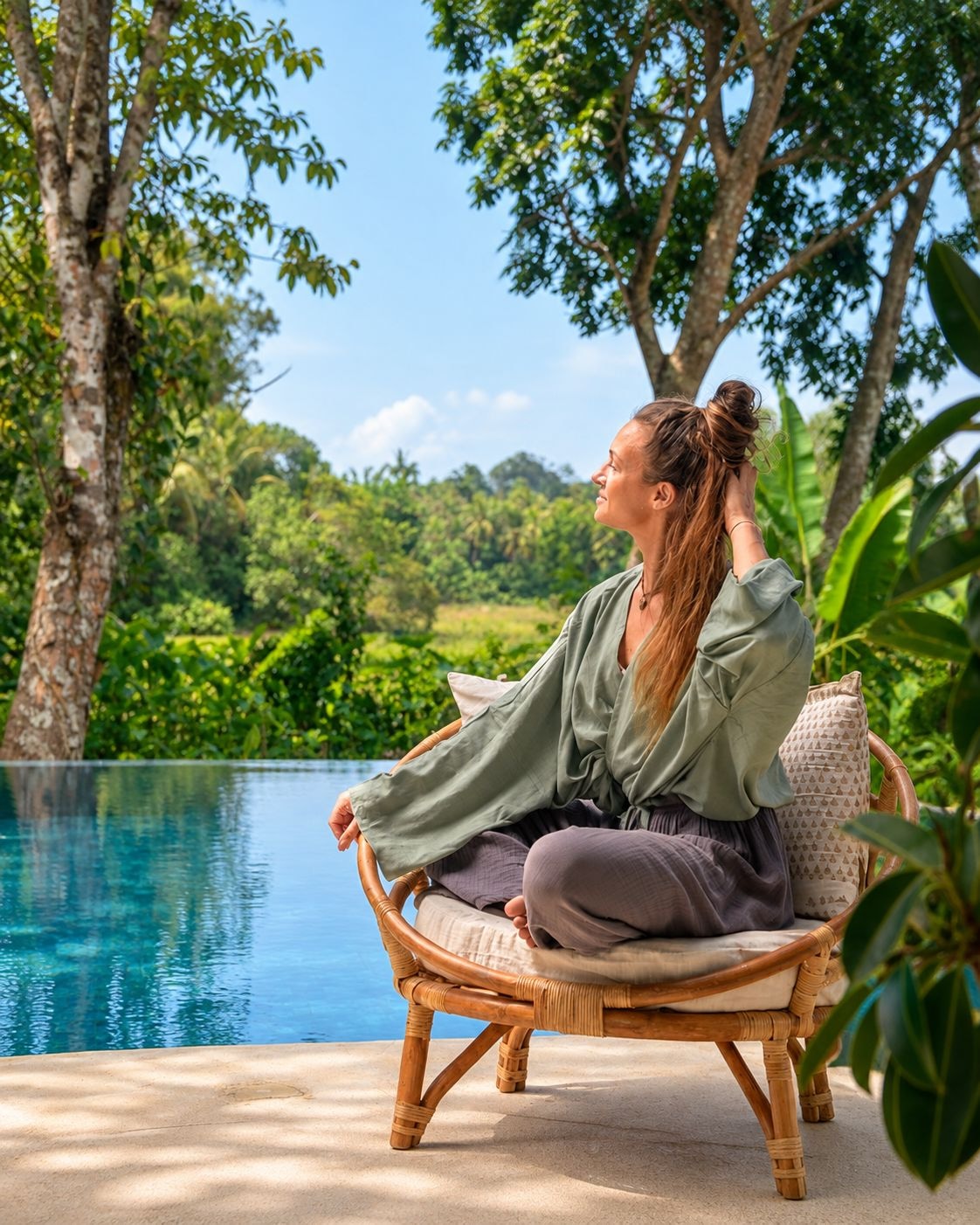
A wellness retreat in Sri Lanka is worth the journey when it is doctor-led. That means a resident Ayurvedic physician who consults before prescribing, a kitchen that cooks to that prescription, and enough nights for it to work. Seven nights is an introduction; a full panchakarma course needs fourteen to twenty-one. Everything else is planning.
Is a wellness retreat in Sri Lanka worth it?
Yes, if you choose the right kind. "Wellness retreat" covers three quite different things on this island, often at similar prices and in similar photographs.
- A doctor-led Ayurvedic retreat. A resident physician takes a history, reads the pulse and prescribes. Treatments, herbal medicines and meals follow that prescription and change as the stay goes on. Rooms are usually simpler than a resort's at the same price, because the money goes on the doctor, the kitchen and the therapists.
- A yoga or meditation retreat. A teacher, a timetable of practice, vegetarian food and, at the better ones, a great deal of silence. Ayurveda may appear as an add-on massage, which is fine as long as nobody calls it a course.
- A hotel with an Ayurvedic spa. A treatment list you can book online before anyone has met you. Pleasant, often very good at what it is, and not medicine.
None of these is wrong. The trouble starts when someone books the third expecting the first. We set out the difference in Ayurveda, or a spa menu, and how we work with retreats is on our wellness page. If the treatment is one part of a wider private journey, start with how we plan private journeys.
The doctor matters more than the room, and the number of nights matters more than either.
Decide which trip you are taking
The first decision is not which retreat. It is whether the treatment is the trip, or part of it.
Treatment with a little travel. This is a full panchakarma course of fourteen to twenty-one nights at one property. Add an arrival night near the airport and perhaps a few quiet days afterwards, with very little driving. It suits people who want the real thing and are prepared to give up most of a holiday for it.
Travel with some treatment. This is a touring route with three to seven nights of prescribed treatment at the end. It is an introduction rather than a cure, and we say so at the planning stage. It is also what most first-time visitors want, once they have seen what a full course involves.
What does not work is the middle: ten nights of "panchakarma" squeezed between Sigiriya and a safari. A course cut short does not give a smaller result. It gives a different, incomplete one, usually with the uncomfortable middle and none of the end.
What a good retreat does well
- A resident physician. On site daily for your whole stay, not a visiting consultant once a week.
- Consultation before prescription. Your programme is decided after the doctor has met you, and revised as the stay goes on.
- A kitchen that is part of the treatment. Meals are set by the physician, not chosen from an à la carte menu.
- Therapists trained in Ayurveda. Not spa therapists giving an oil massage with Ayurvedic names attached.
- Questions before you arrive. Your medical history and current medication are asked for in advance, not just your flight number.
- The judgement to say no. Programmes are modified or declined for pregnancy, some conditions and some medication.
What a good retreat does not do: sell you specific treatments online before anyone has assessed you, or serve wine with dinner in the middle of a course.
How to vet a retreat before you book
Sri Lanka regulates Ayurveda more than most visitors assume. Practitioners register with the Ayurveda Medical Council under the Ayurveda Act. Properties that sell Ayurveda to tourists are expected to register with the Sri Lanka Tourism Development Authority, which asks for the physician's practitioner certificate as part of that process.
Before you pay a deposit, ask:
- 01Who is the physician, and are they registered with the Ayurveda Medical Council? The Council registers both university-trained physicians and traditional (paramparika) practitioners, so a traditional doctor is not a warning sign. An unregistered one is.
- 02Are they resident for the whole of my stay? Physicians move on, and a retreat is only as good as the doctor in residence this season.
- 03Is the property registered with SLTDA as an Ayurvedic hotel or centre? Registration does not guarantee quality, but its absence is worth a question.
- 04When is my programme decided? The right answer is after the consultation.
- 05Does the kitchen cook to prescription? If the menu and the wine list look like any beach hotel's, diet is not part of the treatment.
- 06What would you turn down? A retreat that will do anything for anyone is telling you something.
We ask these on our guests' behalf, and we keep asking after a property is on our list.
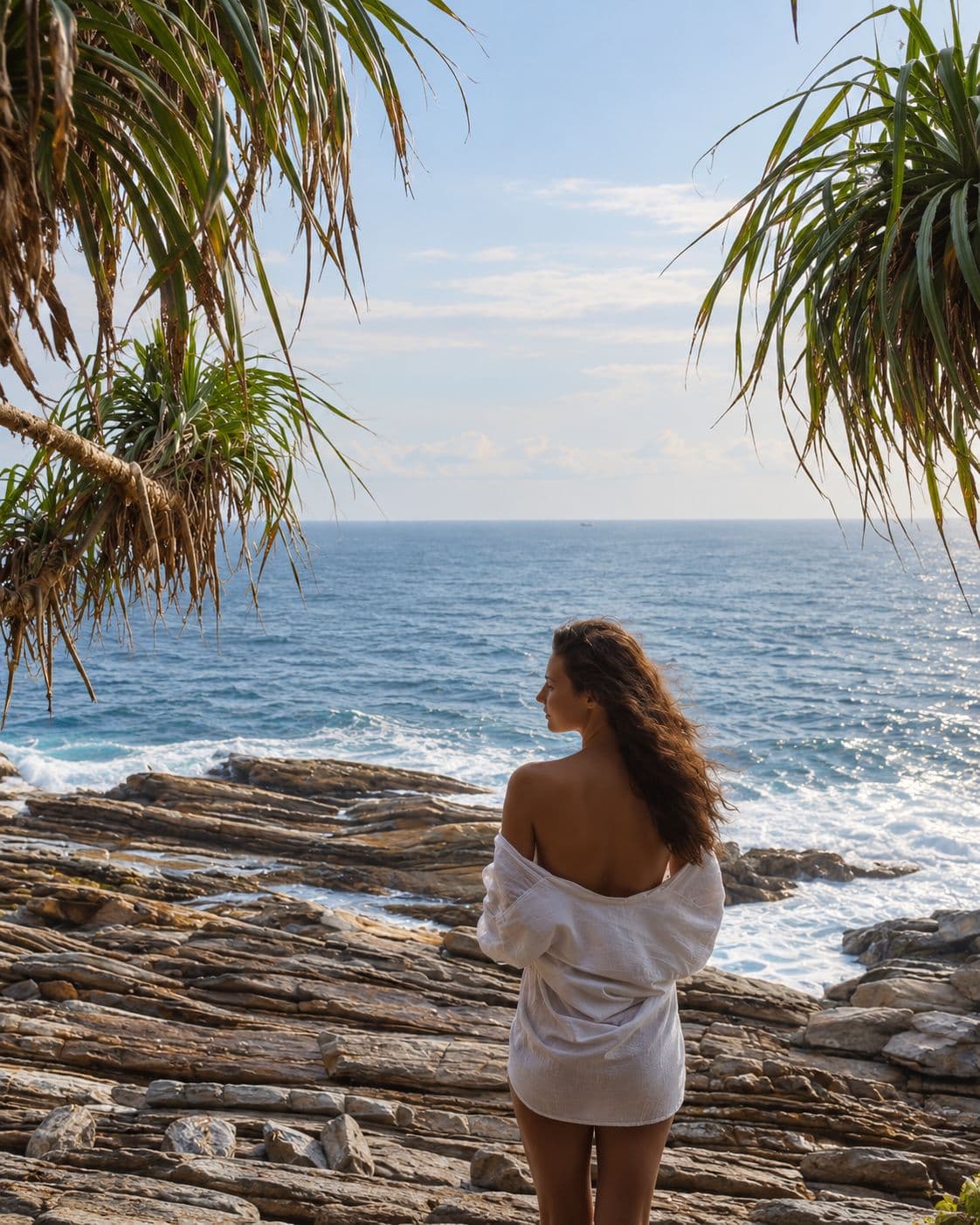
What a programme actually involves
The consultation. On the first day the physician takes a long history, looks at your tongue and eyes, and reads your pulse. Ayurveda diagnoses before it treats, so two people arriving with the same complaint should leave with different programmes. Bring a written list of your medication and any recent test results.
A treatment day. Treatments come in the morning and again in the afternoon, with the hours between them deliberately empty. Expect oil therapies, herbal steam, herbal preparations at set times, and meals you did not choose. Breakfast is often kola kenda, a green herbal porridge that is more pleasant than it sounds and more bitter than you expect.
The middle of a long course. A full panchakarma course is not a massage holiday. After the preparatory days of oil and steam, it typically moves into cleansing therapies that are clinical rather than relaxing. Many people feel tired or flat before they feel better, and a good physician expects this and adjusts.
Where the retreats are
Geography matters less than the doctor, but it decides what the rest of your day looks like.
- The west and south coasts. Many of the established retreats sit between Bentota and Tangalle, with the sea as the view between sessions. These coasts take the south-west monsoon from roughly May to September, which matters more for the beach than for the treatment pavilion.
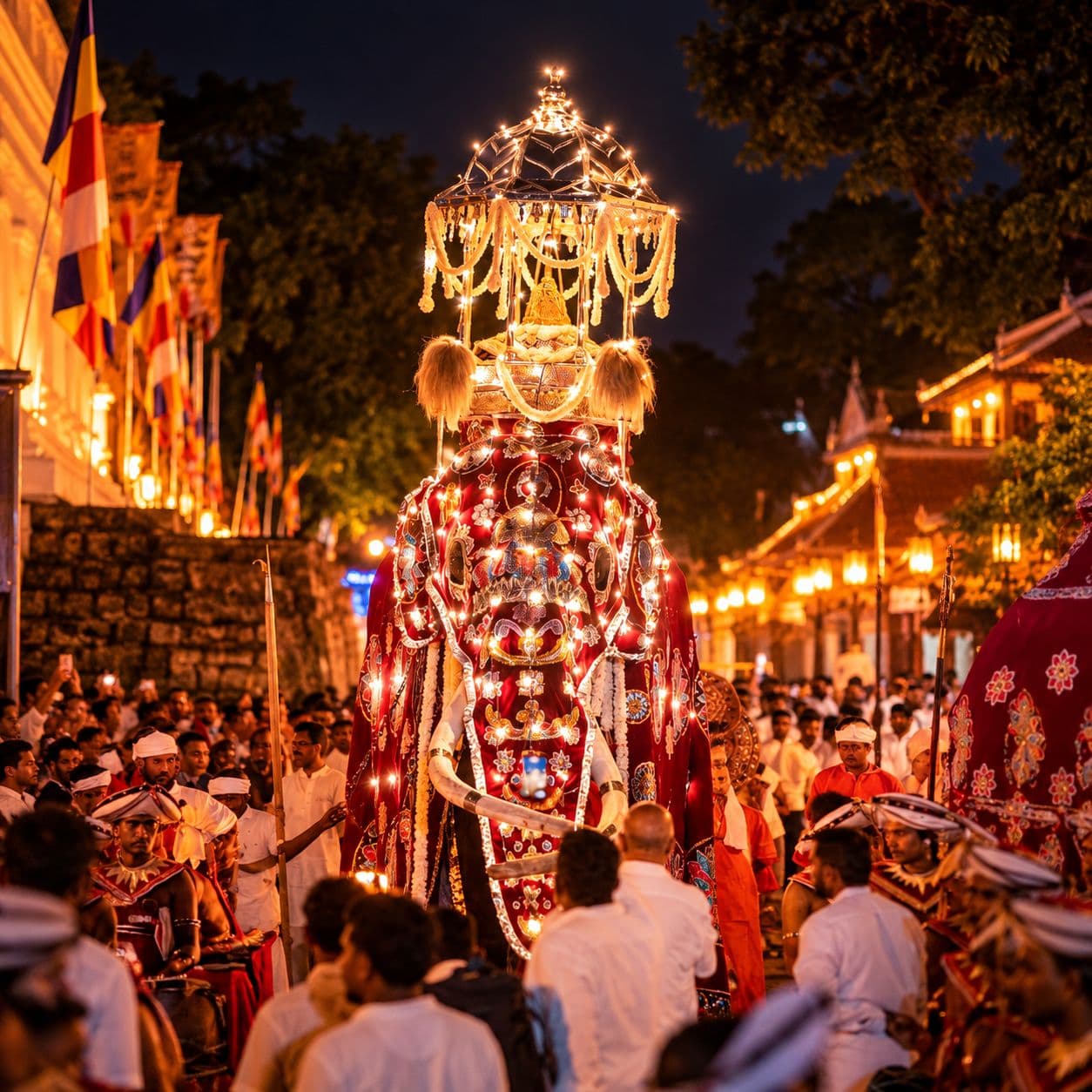
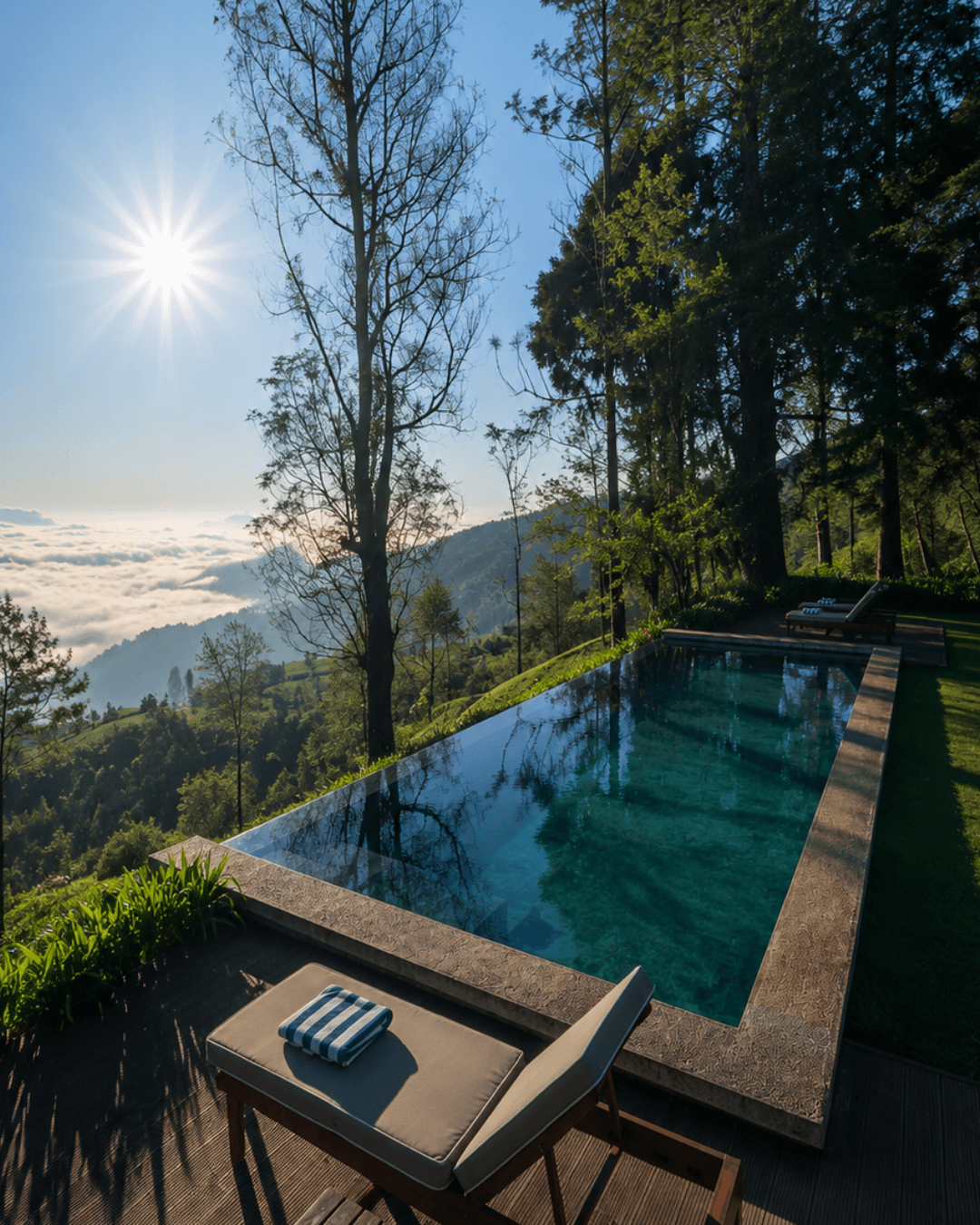
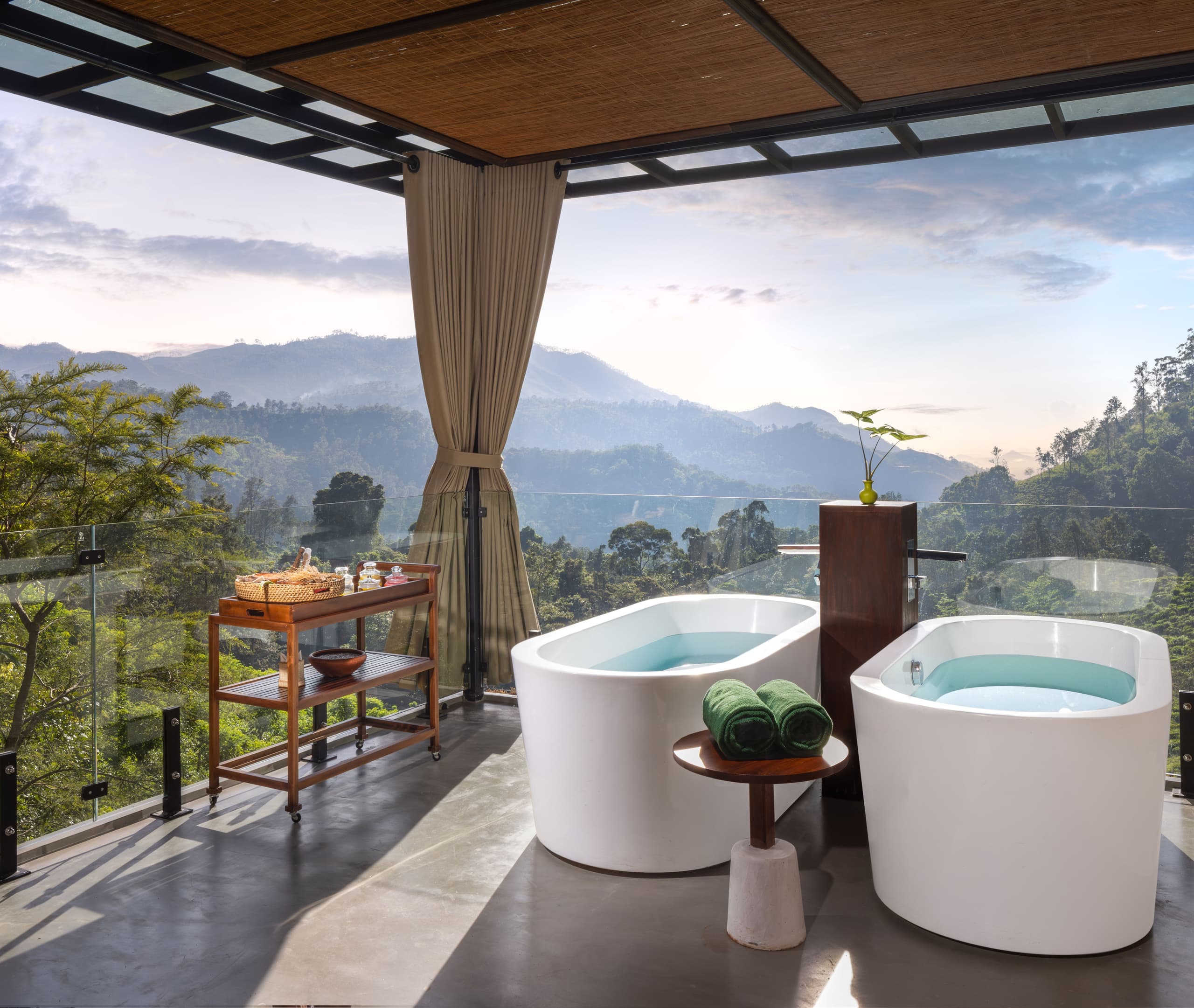
- The hill country. There are only a handful of dedicated retreats, but the hills offer cool nights, long walks through tea and very little reason to look at a phone. Around Kandy, meditation with an experienced teacher and the evening puja at the Temple of the Tooth fit a slower itinerary. Around Nuwara Eliya, at about 1,900 metres, the fires in the estate bungalows are not decorative.
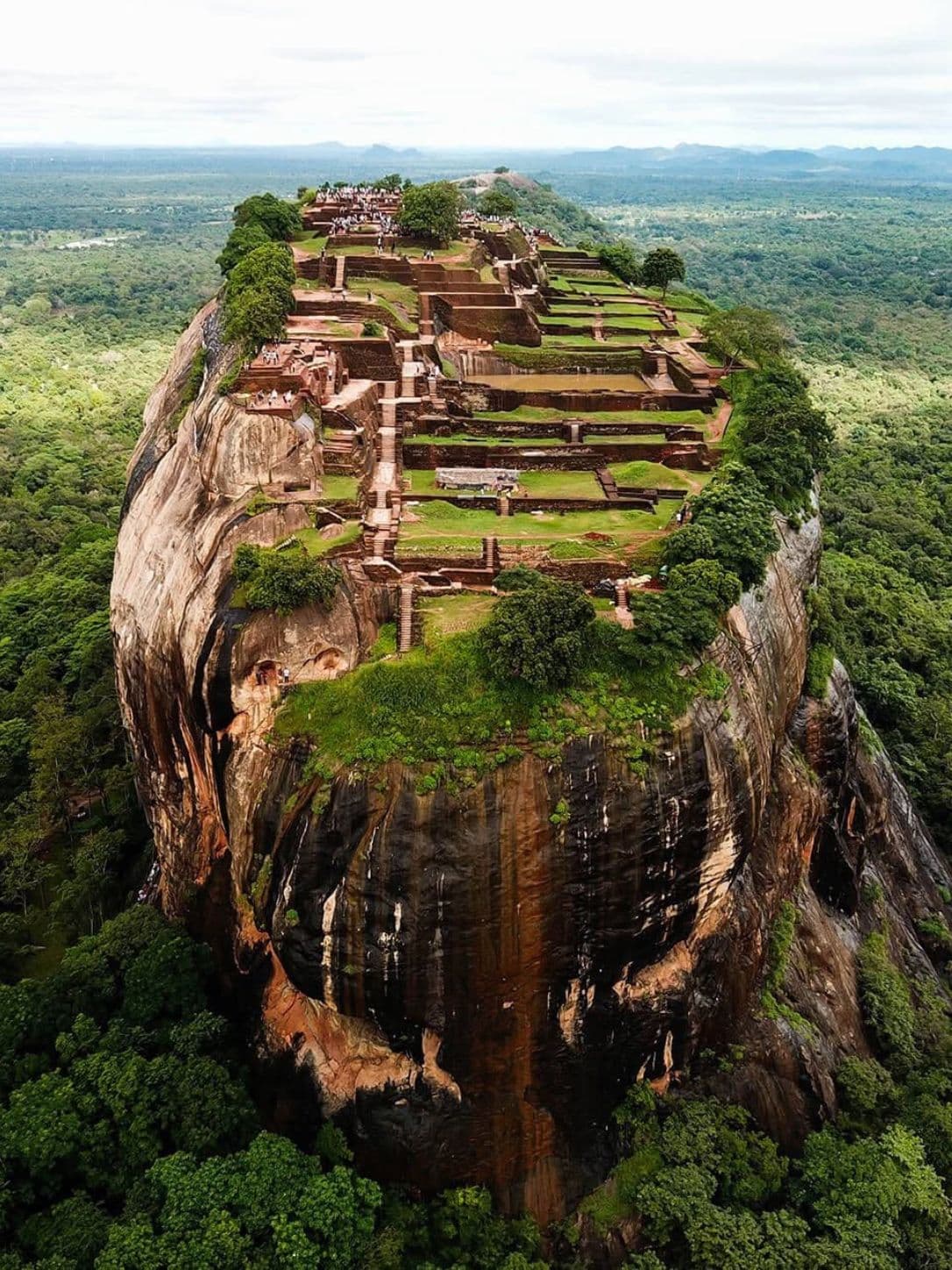
- The dry zone. Near Sigiriya, a few properties combine Ayurveda with the ancient cities: sightseeing at dawn, treatment through the afternoon. That works for an introduction, though for a long course we would rather you were not tempted by a 6am rock climb.
- Yoga and meditation retreats. Most are on the south coast around the surf towns, with a few in the hills. Quality depends almost entirely on the teacher, so ask who is teaching on your dates.
Which months work
For a touring trip with treatment at the end, the usual rule applies. December to April suits the south and west coasts, the hill country and the Cultural Triangle; May to September suits the east. We go through the year in when to visit Sri Lanka.
A full course is different. If you will spend most waking hours between a treatment room, a garden and a dining pavilion, the monsoon matters far less than on a beach holiday. Rain at a retreat is mostly noise on the roof, and coastal retreats are often easier to book outside the December to March peak.
What we would avoid, if the plan includes touring, is October and November. It is the least predictable time across most of the island, and a course is easier to protect from the weather than a route is.
A wellness route that works
The order that works for most first visits is the island first and the retreat last. Early starts, long drives, spicy food and the occasional gin and tonic all belong before treatment, not after it.
For about eight to ten nights:
- 01One night in Colombo, to arrive properly rather than start immediately.
- 02One night in Kandy for the evening puja at the Temple of the Tooth.
- 03Two nights on a tea estate, with one day that has nothing scheduled at all.
- 04Two nights inside Galle Fort for the ramparts and an unhurried coast.
- 05Two or more nights at an Ayurvedic retreat at Tangalle, with the consultation on the first day.
This is the shape of our Ceylon Soul journey. The most common change people make is adding seven to twelve nights at the retreat, which turns the introduction into a genuine panchakarma course without changing the rest of the route.
For a full course: choose one retreat and stay there. Fourteen to twenty-one nights in one place, with very little driving on either side, is far better than folding a course into a touring trip.
Food, alcohol and what you give up
During a proper programme, the kitchen is part of the prescription. Meals are usually vegetarian, lightly spiced and served at set times, and the physician may change them as the week goes on. Coffee is often discouraged, and alcohol is generally out for the whole course.
A good retreat will tell you this before you book rather than on day three. Decide before you arrive whether you are willing to go along with it, because the programme will not bend much around you.
Health, medication and the honest limits
Ayurveda in Sri Lanka is a recognised, regulated system of medicine. A retreat is still not a hospital, however, and treatment is no substitute for care you already need. Tell your own doctor what you are planning before you go, and do not stop prescribed medication because a retreat suggests it.
Herbal preparations are medicines, and some can interact with what you already take. If you are pregnant, have a serious heart, kidney or liver condition, or have had recent surgery, expect a responsible physician to change the programme or decline it. Check that your travel insurance covers treatment at the retreat, not only emergencies.
Paperwork for a longer stay
Since 25 May 2026, tourists from 40 countries, including the UK, the US and Australia, receive a free 30-day ETA. That comfortably covers a touring trip with an introductory programme. It gets tight with a full course, because twenty-one nights of panchakarma plus a week of travel already reaches the limit.
The official guidance allows extensions in some cases, but do not plan around one you have not confirmed. If your dates run past 30 days, check the current rules before you book flights. Our Sri Lanka visa guide for 2026 covers the process.
What it costs, and what moves the number
The honest answer is that the doctor costs more than the room. The price at a retreat that does this properly covers the physician, the therapists, the medicines and a kitchen cooking to prescription.
As a reference point, Ceylon Soul starts from US$3,750 per person sharing for eight nights. That includes the consultation, the prescribed programme on the Tangalle nights, half board in tea country and full board at the retreat.
- Length of the programme. A longer course means more nights, not a higher nightly rate.
- Season. December to March carries peak rates on the south coast.
- Single occupancy. Most retreats charge a supplement.
- Extra treatments. Anything beyond the prescription is charged separately.
We put the full cost in writing before any payment is taken.
Who a wellness trip suits
Travellers who want real Ayurveda and are willing to give it the nights it needs. Couples who want a slow finish after a touring route. Solo travellers looking for a structured, quiet stay. Anyone whose last holiday was wonderful and slightly too full.
It suits you less if you want a spa week with cocktails, or a course squeezed into three nights between safaris. We are happy to arrange either a spa stay or a course, provided everyone is clear which one it is.
If you would like help choosing between an introduction and a course, tell us your dates on the Plan My Sri Lanka Trip form. We will tell you which of the two you are describing, and the person who will design your journey replies, usually within 24 hours.
Last checked 8 October 2026.
Questions
What people ask us
The one with a registered, resident physician who consults before prescribing, a kitchen that cooks to that prescription, and enough nights for what you want. The right property depends on your dates, how long you have, and whether you want the coast or the hills.
Two to three nights is a taste, and five to seven is a short prescribed programme. Fourteen to twenty-one nights is a genuine panchakarma course. There is no compressed version of panchakarma.
Yes, with a short programme at the end of a touring route. A full course is better treated as the whole trip, with very little driving on either side of it.
For a trip that combines touring and treatment, December to April on the south and west coasts. For a full course spent mostly on site, the monsoon matters less, and rooms are often easier to find outside the December to March peak.
Yes. Practitioners register with the Ayurveda Medical Council, and properties selling Ayurveda to tourists are expected to register with the Sri Lanka Tourism Development Authority. Ask any retreat about both before you book.
You need an ETA before you arrive. Since 25 May 2026 it has been free for tourists from 40 countries for stays of up to 30 days. If a course plus travel runs longer, check the extension rules before booking flights.
Journeys
Where this turns into a trip
Each is private and fully adjustable — a shape to start from rather than a package.
Places
Mentioned in this piece
Keep reading
More from the journal
Wellness3 min read
Ayurveda, or a spa menu
Sri Lanka has a genuine Ayurvedic tradition and a large industry built on top of it. Telling them apart before you book is worth more than any amount of research afterwards.
Sri Lanka Travel Guide4 min read
Sri Lanka in February: where to go and what to book first
February is one of Sri Lanka's most reliable months: dry on the south and west coasts, clear in the hills and the ancient cities, and the start of the best wildlife season. Here is where to go and what to book first.
Sri Lanka Travel Guide5 min read
Sri Lanka in January: where to go and what to book first
January is one of the easiest months to plan in Sri Lanka, as long as you pick the right side of the island. Here is where the weather works, what sells out first, and a route that does not zig-zag.
When you are ready
Turn this into a journey.
Tell us roughly when you want to travel and what matters to you, and we will come back with a considered outline.