Sri Lanka Second Inter-Monsoon: How to Plan a Trip
October and November are the least predictable months in Sri Lanka, but they can still work well with the right route. Here is where to go, what to avoid, and how to plan flexibly.
Sri Lanka’s second inter-monsoon is the period to think carefully about, not fear. It usually covers October and November, brings showers or thunderstorms across much of the island, and can make seas rough; if you route inland first and keep the coast flexible, it can still be a very good time to travel. (srilanka.travel)
What is the second inter-monsoon, in plain English?
The second inter-monsoon is Sri Lanka’s transitional weather window between the southwest monsoon and the northeast monsoon. In practical terms, that means warm humidity, afternoon storms, heavy but often brief rain, lightning risk, and less reliable sea conditions than you get in the peak season months. (srilanka.travel)
For travellers, the useful takeaway is simple: this is not the month to build a trip around one perfect beach forecast. It is the month to travel with a Plan A and a Plan B. If the morning is clear, you can sightsee early; if the afternoon breaks open, you can move a drive, use a spa or a long lunch, or shift one stop further inland. That style of travel is much easier in Sri Lanka than many first-time visitors expect. (srilanka.travel)
The weather is less about “good” or “bad” than about whether your route can absorb a wet afternoon.
Which parts of Sri Lanka work best in October and November?
In the second inter-monsoon, the best approach is usually to prioritise inland and central routes first, then decide on coast and beach days based on the latest forecast rather than a fixed expectation. Sri Lanka Tourism describes October–November as the second inter-monsoon, with occasional heavy showers across the island and the inland highlands still looking lush and scenic. (srilanka.travel)
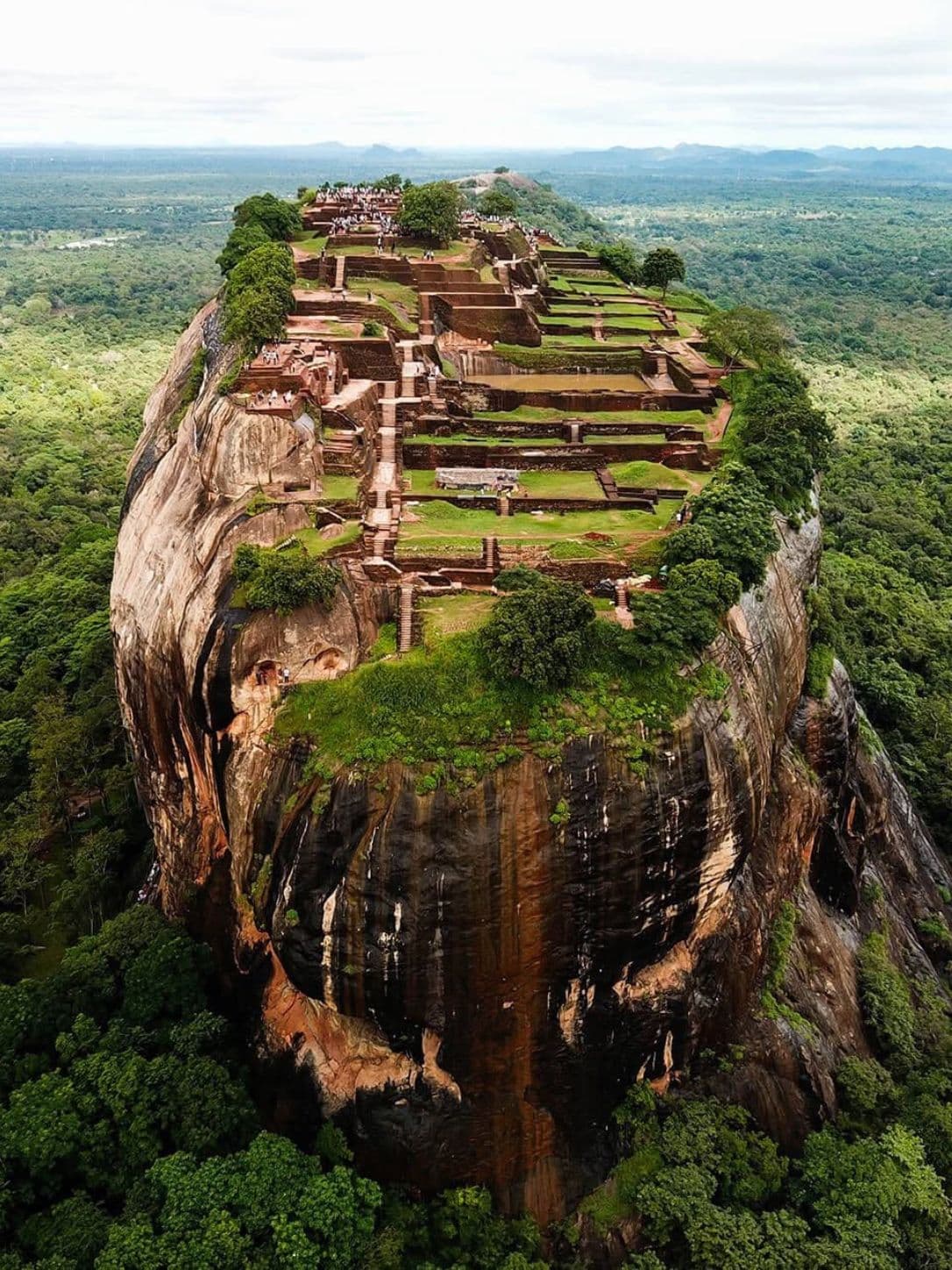
If you are choosing where to spend the most time, I would usually prioritise Sigiriya, Kandy and the central hills in this season, then decide later whether to extend to the coast. Sri Lanka Tourism’s own weather guidance says the inland highlands remain scenic in this period, while the main message for the coast is to watch the season rather than assume a beach is guaranteed to be calm. (srilanka.travel)
What about the beaches and the coast?
This is where many itineraries go wrong. In October and November, the coast is not all the same. The sea can be rough, and a beach that looks fine on a sunny morning may not be comfortable for swimming later in the day. That is why a fixed south-coast beach run is often less convincing in the second inter-monsoon than it is in December, January or February. (srilanka.travel)
A better rule is:
- Use the coast as a bonus, not the backbone, unless you are building in flexibility.
- Check surf and sea conditions locally before you commit to boat trips or snorkelling days.
- Stay longer in each place so a wet afternoon does not wreck the whole plan.
- If you really want a beach-focused trip, be prepared to shift the route when the weather does not cooperate. (srilanka.travel)
For many travellers, this means the second inter-monsoon is better for a cultural-and-landscape trip than for a classic do-nothing beach holiday. That does not make it a bad time to travel; it just means the trip should be planned around inland highlights such as the Cultural Triangle, the tea country, and a city or two, rather than assuming the shoreline will behave. (srilanka.travel)
A sensible route for these months
If your dates fall in October or November, I would build the itinerary like this:
- 01Start in Colombo for arrival, recovery and a buffer day.
- 02Move to Sigiriya or Dambulla for archaeology and a strong base.
- 03Continue to Kandy or the tea country if you want cooler air and a change of pace.
- 04Add a coast only once you know whether the weather is favouring your chosen side of the island. (srilanka.travel)
That sequence works because it keeps your most fixed, must-see experiences inland, where a shower is annoying rather than trip-breaking. It also reduces the risk of spending too much time shuttling between regions to chase perfect weather, which is usually a losing game in this season. (srilanka.travel)
If you are aiming for a shorter trip, the same logic applies on a smaller scale:
- 3–5 days: pick one base and one secondary stop, not five.
- 7–10 days: do the Cultural Triangle plus Kandy or Ella, then decide on coast.
- 2 weeks or more: you have enough margin to react to weather without rushing.
That last point matters in Sri Lanka, because the island rewards slow routing much more than point-to-point ticking. A well-paced itinerary lets you absorb one rainy day without losing the whole holiday. (srilanka.travel)
tip Book the driest days first If your trip is fixed in October or November, lock in the places that matter most to you, then leave the more flexible beach stops to the end. It is much easier to move a coastal night than to rescue a missed safari or train connection.
What should you book first?
In this season, the right booking order is usually not the same as in peak beach months. Start with the pieces that are hardest to reshape once you are on the ground:
- International flights if your dates are fixed.
- One or two key stays in the Cultural Triangle or hill country.
- Private transport if you want to move comfortably between regions.
- Any experience with limited daily capacity, such as a guided safari or a specialist cultural visit.
By contrast, I would leave a beach extension or a final coast-night open if you can. Sri Lanka’s weather in this season is simply too changeable to treat every night as equally fixed. The official tourism guidance and meteorology updates both point to frequent showers and variable conditions during October–November, which is exactly why route flexibility matters. (srilanka.travel)
This is also the season when a private vehicle makes more sense than a rigid, multi-leg public transport plan. You want the option to leave earlier, stop longer, or swap a wet outdoor afternoon for something under cover. That is not luxury for its own sake; it is basic weather insurance. (srilanka.travel)
When is the second inter-monsoon actually a good time to travel?
It is a good time to travel if you are realistic about what the season is and is not. It works well for travellers who care more about seeing the island properly than about sitting on one beach every day. It is also useful if you want greener landscapes, fewer fixed crowds in some places, and a trip that feels a little less polished but more alive. (srilanka.travel)
It is less suitable if you want:
- a strictly beach-led holiday with no flexibility,
- a schedule that depends on perfect outdoor conditions every day,
- or a trip where every transfer must happen on one exact day regardless of rain.
That does not mean you should avoid Sri Lanka in October or November. It means you should travel like a local planner rather than a checklist tourist. Keep the route sensible, keep the days open enough to bend, and the season becomes manageable. (srilanka.travel)
So, is Sri Lanka worth it in the second inter-monsoon?
Yes — if you plan for the weather instead of arguing with it. The second inter-monsoon is one of the most variable periods in the country, but the island is still very travelable, especially inland, where the landscape is green and the experience is often better than the forecast suggests. Sri Lanka Tourism’s own guidance frames October–November as a rainy transition period rather than a closed season, and the Department of Meteorology continues to advise checking forecasts as conditions change. (srilanka.travel)
My honest view is that the best second-inter-monsoon trips are the ones that stay shorter, calmer and more flexible: fewer places, longer stays, and a route that begins with the core highlights rather than the beach. If you want help shaping that kind of itinerary, a private tailor-made plan can be arranged around the weather and the way you like to travel. (srilanka.travel)
FAQ
Is Sri Lanka rainy in October and November?
Yes. October and November are the second inter-monsoon, when showers or thunderstorms can happen across the island and the seas can be rough. It is still possible to travel well, but the route needs to be flexible and not built entirely around beach weather. (srilanka.travel)
Which part of Sri Lanka is best in the second inter-monsoon?
The safest bet is usually the Cultural Triangle and the central hill country, because those areas still work well when you can adjust the day around showers. Coastal plans are more variable, so treat them as flexible rather than fixed. (srilanka.travel)
Is the south coast a bad idea in October and November?
Not always, but it is a riskier choice than in peak season. Sri Lanka Tourism notes that sea conditions can be rough in this period, so a south-coast stay is better as part of a flexible itinerary than as the only reason for the trip. (srilanka.travel)
Can I still do safari in Sri Lanka during this season?
Yes, but choose your timing carefully and build in some flexibility. A wet afternoon can change visibility and road conditions, so it is better to keep safari days early in the schedule and avoid stacking them against tight transfer days. That is a planning judgement based on the season’s weather pattern. (srilanka.travel)
Should I change my itinerary if I am visiting in late October?
Usually, yes. Late October is still inside the second inter-monsoon, so it is sensible to prioritise inland stops first and leave the coast more open. If your route is fixed, plan for wet-weather alternatives rather than assuming a dry spell. (srilanka.travel)
Discussion
Your turn — been there, or heading there?
Questions
What people ask us
Yes. October and November are the second inter-monsoon, when showers or thunderstorms can happen across the island and the seas can be rough. It is still possible to travel well, but the route needs to be flexible and not built entirely around beach weather.
The safest bet is usually the Cultural Triangle and the central hill country, because those areas still work well when you can adjust the day around showers. Coastal plans are more variable, so treat them as flexible rather than fixed.
Not always, but it is a riskier choice than in peak season. Sri Lanka Tourism notes that sea conditions can be rough in this period, so a south-coast stay is better as part of a flexible itinerary than as the only reason for the trip.
Yes, but choose your timing carefully and build in some flexibility. A wet afternoon can change visibility and road conditions, so it is better to keep safari days early in the schedule and avoid stacking them against tight transfer days.
Usually, yes. Late October is still inside the second inter-monsoon, so it is sensible to prioritise inland stops first and leave the coast more open. If your route is fixed, plan for wet-weather alternatives rather than assuming a dry spell.
Journeys
Where this turns into a trip
Each is private and fully adjustable — a shape to start from rather than a package.

Keep reading
More from the journal
Wildlife8 min read
Yala vs Udawalawe Safari: Which Park Should You Choose?
A straight comparison of Sri Lanka’s two most popular southern safaris, so you can choose the right park for leopards, elephants, time and comfort.
Travel Tips8 min read
Sigiriya or Dambulla: Where Should You Stay?
Choosing between Sigiriya and Dambulla comes down to pace, location and the kind of trip you want. Here is the practical difference, without the hype.
Wildlife8 min read
Mirissa Whale Watching Season: When to Go and What to Expect
The short answer: plan Mirissa for November to April, but the calmest seas and most reliable sightings are usually later in the season. Here is the honest version.
When you are ready
Turn this into a journey.
Tell us roughly when you want to travel and what matters to you, and we will come back with a considered outline.