Slow travel in Sri Lanka: fewer places, longer stays
The island is small on the map and slow on the road. Here is how to plan a trip around that, rather than against it.
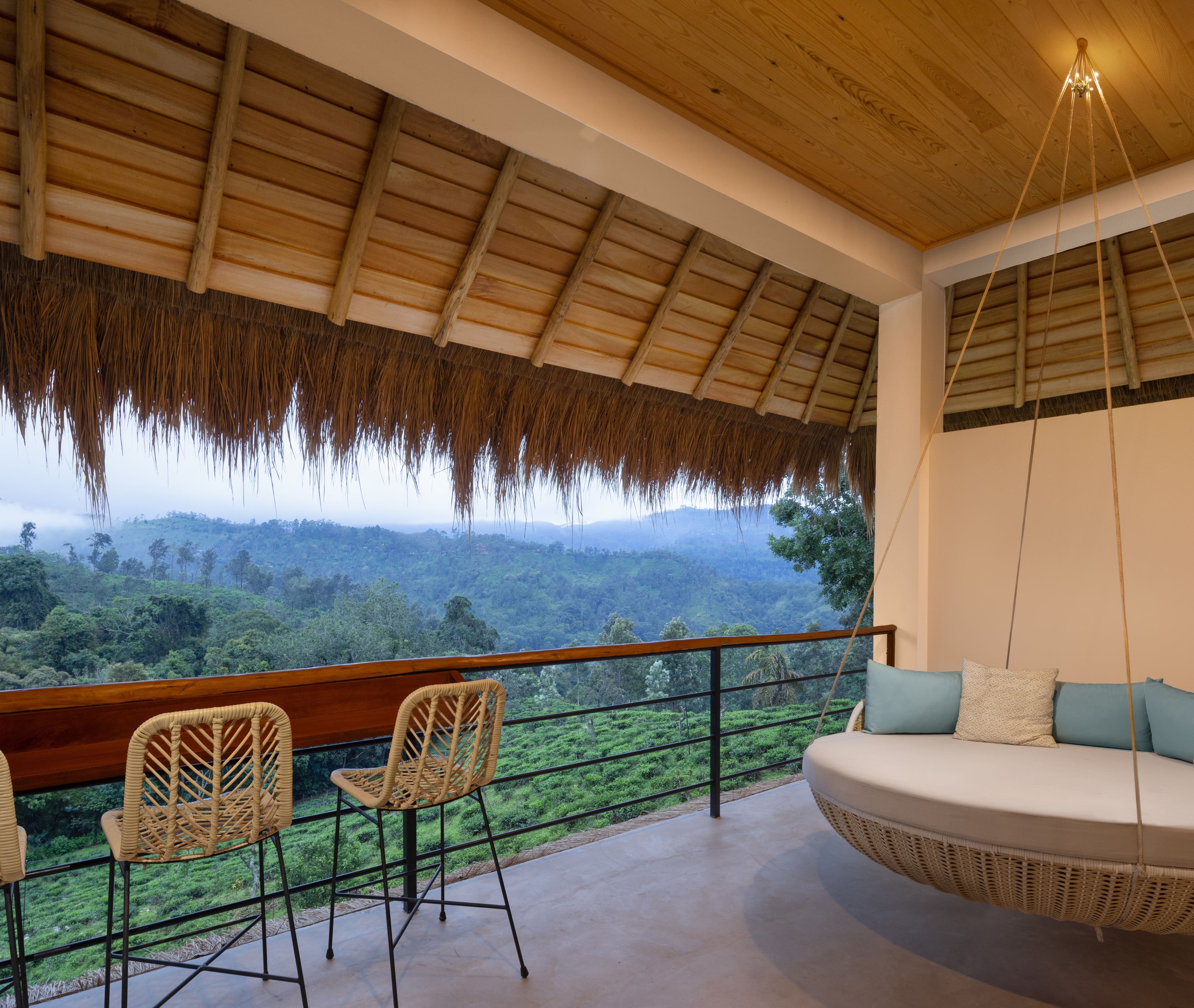
Slow travel in Sri Lanka means fewer bases and longer stays: three or four places in ten nights rather than eight, no driving day over four hours, and at least one day in each place with nothing booked. The island is small on the map and slow on the road, so the itinerary has to be built around that.
Most of the itineraries people send us have the same shape. Eight hotels in ten nights, a new view every morning, and a good part of the trip spent looking at the back of a seat. We cut them, politely, and the cut version is nearly always the better holiday.
Is slow travel possible in Sri Lanka?
Yes, and on this island it is less a philosophy than a practical necessity. Sri Lanka is about 430 kilometres from north to south, which makes it look easy to cover in a week. It is not. Hill roads, village traffic and towns strung along the main routes keep average speeds low, and a day that looks like three hours on the map can take five.
So the question is not whether to slow down. It is whether you slow down by choice, on a verandah, or by accident, in a car. We plan for the verandah.
The same thinking runs through how we plan private journeys and a honeymoon that is not a checklist. If rest is the whole point of the trip, our guide to wellness retreats takes it further.
A day with nothing booked is not a wasted day. It is the reason for the others.
What slow travel does well
- Arrival. Two or three nights in one place means you unpack, learn where the morning light falls and stop checking the time. The first night anywhere is mostly logistics; the second is when the trip starts.
- The hill country. Estate paths, cold mornings and a fire in the evening reward people who stay long enough to use them. Tea country is where a slower pace pays off most.
- Wildlife. Two drives in a park rather than one, and the patience to wait at a likely waterhole rather than chase a radio report.
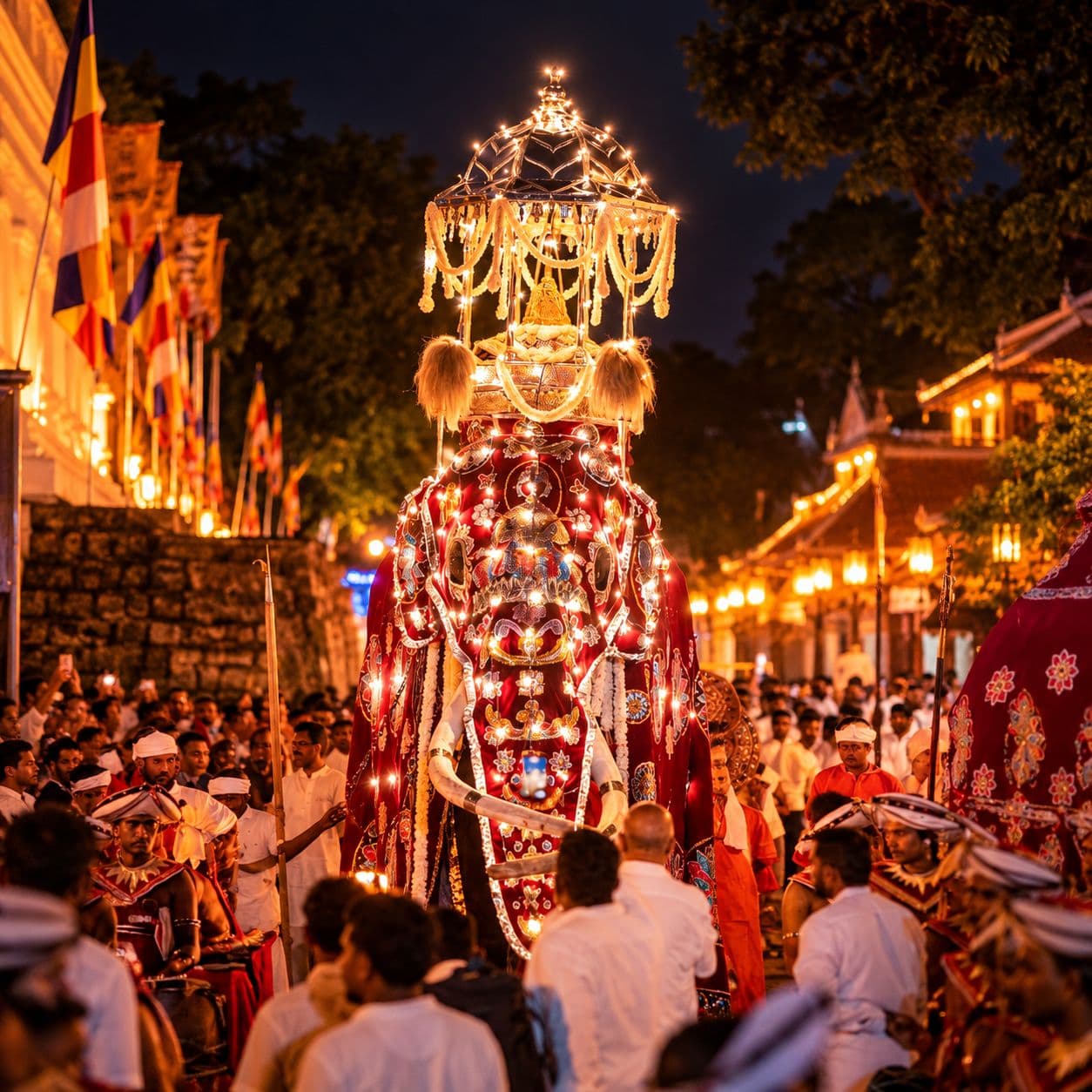
- Ritual. Being in the right place at the right hour: the evening puja in Kandy, a village temple on a poya morning, the drums before dawn.
- Food. Staying long enough for a resident cook to ask what you liked yesterday, and to make it differently today.
- Your guide. A chauffeur-guide who spends more time waiting than driving has time to become the most useful person on the trip.
What slow travel does not do well: seeing the whole island in one go. If Sigiriya, Kandy, Ella, Yala, Galle, Trincomalee and Jaffna all have to fit into ten nights, this is not that trip. We will tell you which half to save for the next one.
The road decides the pace
These are the approximate door-to-door times we plan around, before any stops:
- Airport to Sigiriya: about 4 hours, the longest day for most arrivals.
- Sigiriya to Kandy: 2.5 to 3 hours, with Dambulla's cave temples on the way.
- Kandy to Nuwara Eliya: about 3 hours, climbing through the tea at Ramboda.
- Nuwara Eliya to Ella: 2 to 2.5 hours, or the train from Nanu Oya.
- Ella to Yala: 2.5 to 3 hours, down from the hills into the dry zone.
- Yala to Galle: 3 to 3.5 hours, much of it on the Southern Expressway.
- Galle to the airport: 2 to 2.5 hours.
Add those up and the classic loop is about twenty hours on the road before a single stop, a photograph or a wrong turn. That is why our working rule is simple: no driving day longer than four hours where it can be avoided, and never two long days back to back.
Cutting one stop usually gives back a full day. It is rarely the day people miss.
What a slow day looks like
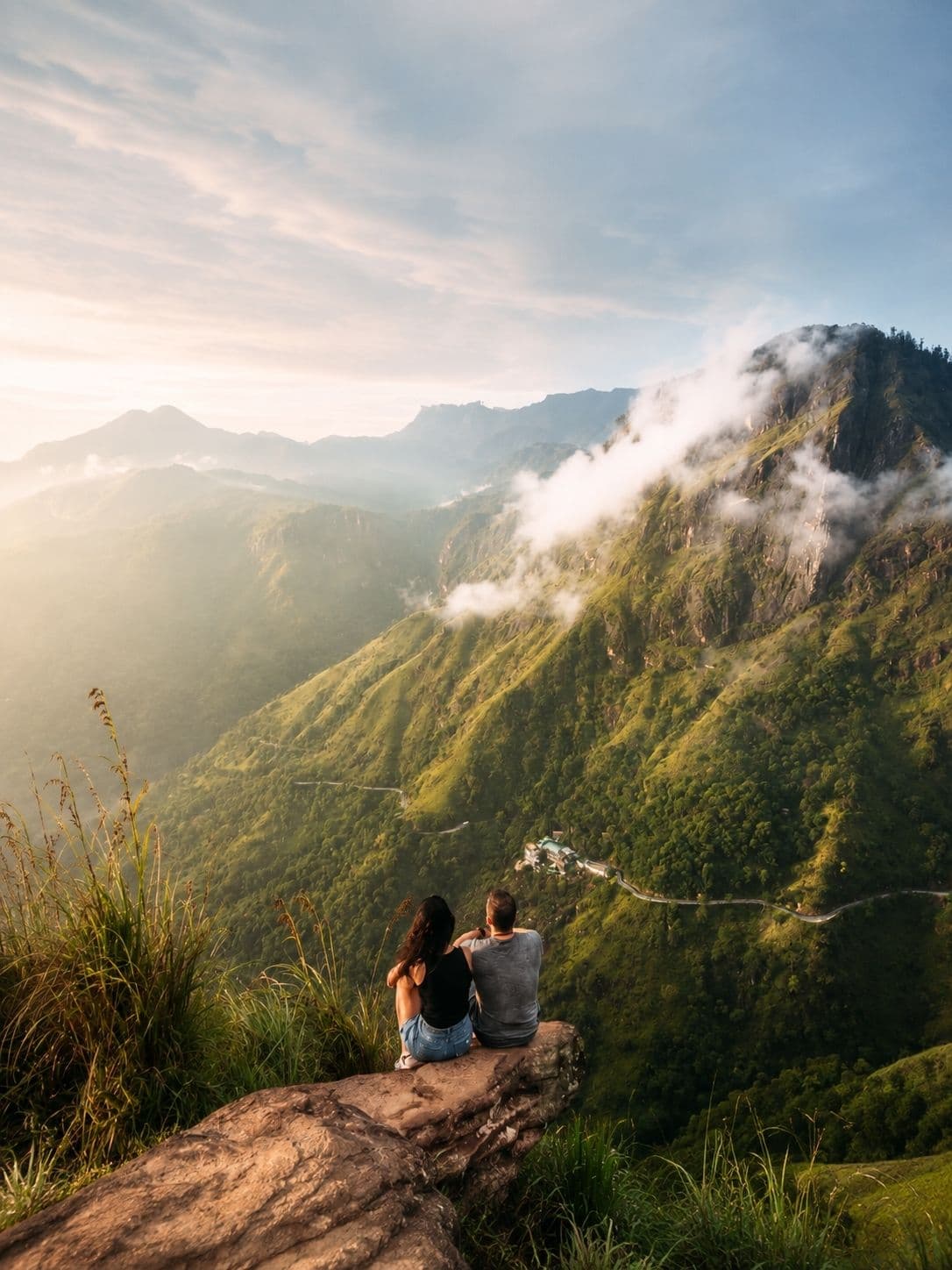
- Early. The best hours here are before eight: the light, the birds, the temple drums, the cool. Be up for them and the rest of the day is easier.
- Mid-morning. One thing. A temple, a walk, a tea factory or a market, but only one.
- The heat of the day. Back where you are staying, in the shade with a book or in the pool. Nobody local plans anything for this part of the day, and nor should you.
- Late afternoon. A second, smaller thing, or a walk as the light goes.
- Evening. Dinner where you are sleeping, and nothing to pack.
Dates worth knowing
- Every full moon: poya day. A public holiday each month. Alcohol is not sold and many hotels do not serve it, and temples fill with devotees dressed in white. It is a poor day to plan a sundowner and a very good one to visit a temple slowly.
- 20 June 2026: the hill-country line partly reopened. Trains between Nanu Oya and Badulla, via Ella, resumed after the damage from Cyclone Ditwah. As of early October 2026 the Kandy to Nanu Oya section is still being rebuilt, with no confirmed reopening date. Our honest view of the journey is in the Kandy to Ella train, honestly.
- December to May: the Sri Pada season. The pilgrimage season to Adam's Peak runs from the December poya to Vesak in May. Weekdays are calmer for the night climb than weekends or poya days.
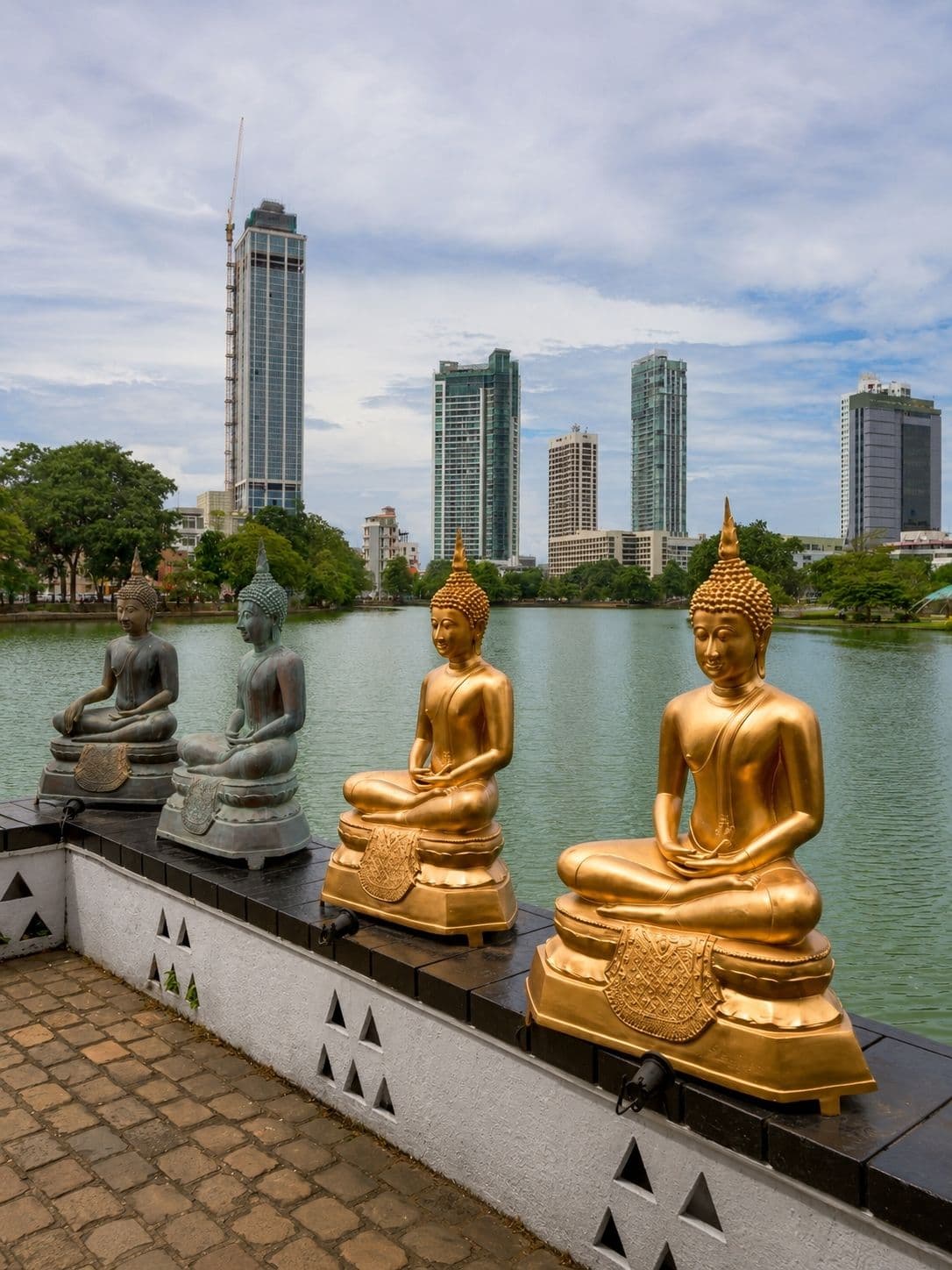
- 20 February 2027: Navam Poya. The Navam Perahera at Gangaramaya Temple in Colombo usually runs over the nights around the full moon, with drummers, dancers and elephants beside Beira Lake.
- Vesak, the May full moon. The most important day in the Buddhist calendar, when towns hang lanterns and roadside stalls hand out free food and drink to anyone passing. It is worth planning around, provided you do not mind that the rest of the island is out too.
For the weather side of the calendar, coast by coast and month by month, see when to visit Sri Lanka.
Where slow travel works best
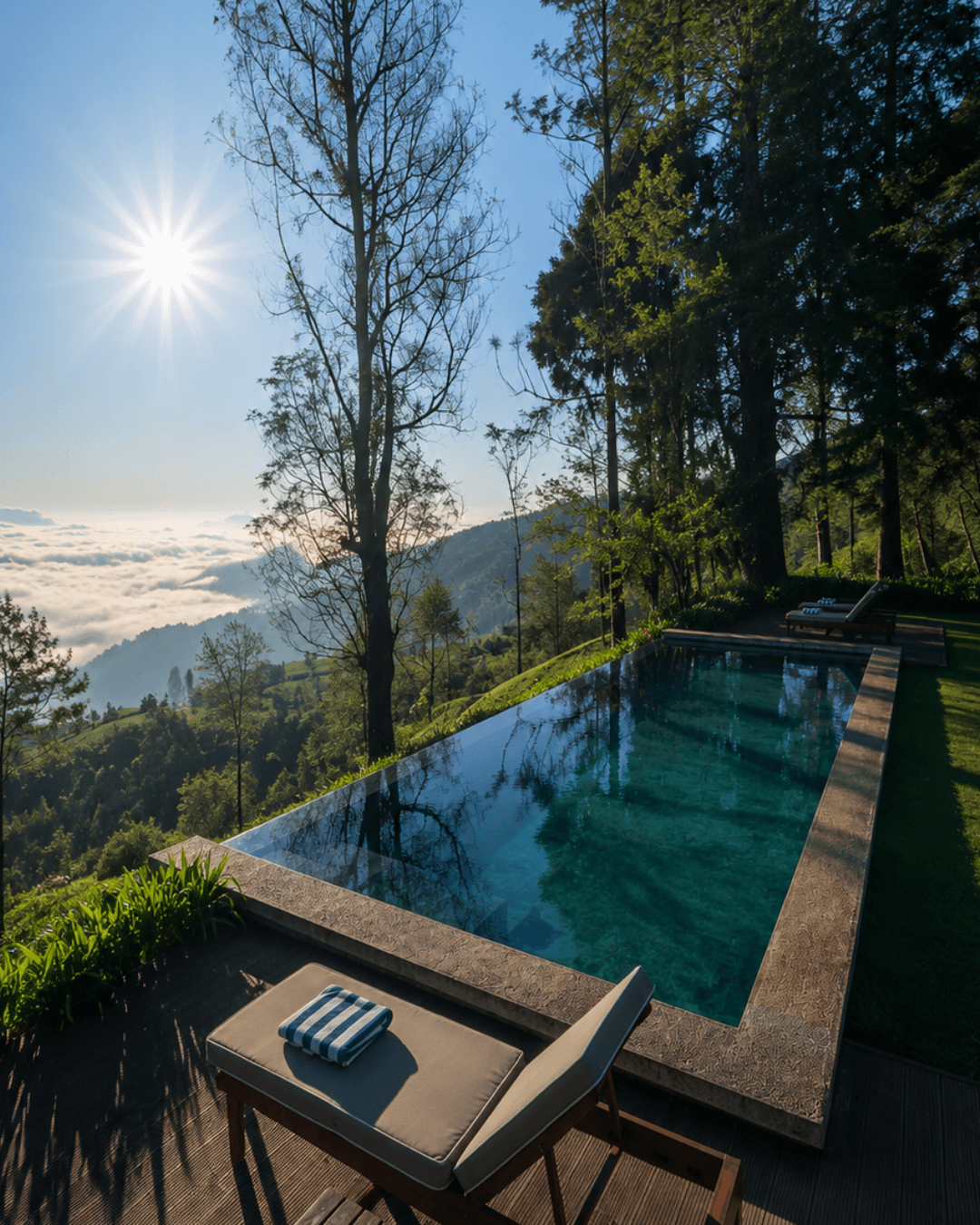
- Tea country. The obvious place to stop moving. Stay on an estate rather than in town, walk the paths between the gardens, and take the train from Nanu Oya to Ella one way with the car waiting at the other end. Around Nuwara Eliya the nights are cold enough for a fire.
- The Pekoe Trail. For serious walkers, it links old estate paths into a waymarked long-distance route of roughly 300 kilometres in 22 stages. Nobody needs to walk all of it. One or two stages, with the car meeting you at the end, make a very good day.
- The Knuckles. A range of cloud forest, streams and small villages north-east of Kandy, and part of the Central Highlands World Heritage Site. There is little to see in the conventional sense and a great deal to walk through. Give it three nights or do not bother with the road in.
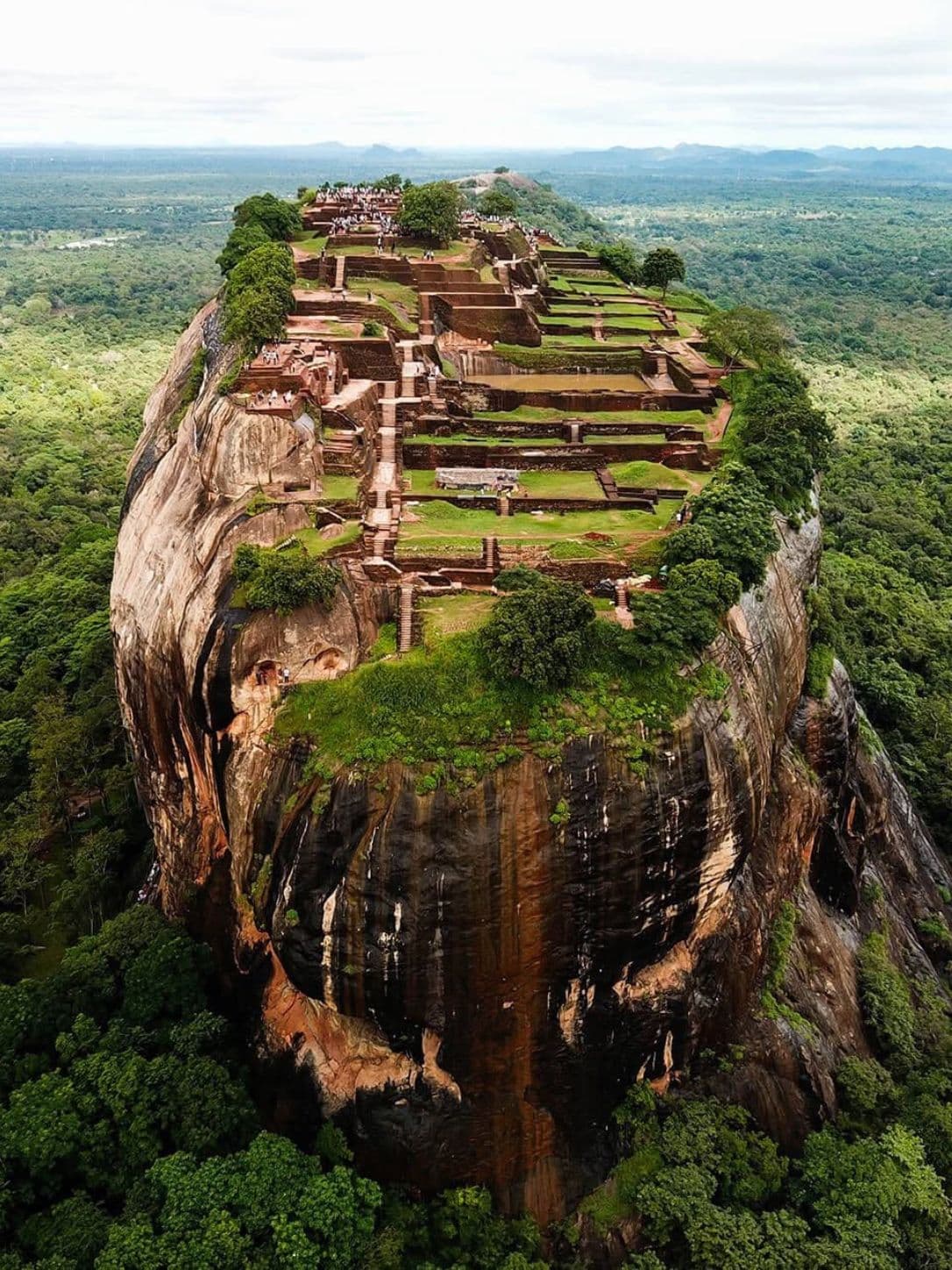
- The Cultural Triangle, at dawn. Climb Sigiriya when it opens, see Dambulla's cave temples before the coaches arrive, then give the heat of the day to a pool, a book or a bicycle along the paddy bunds. Village mornings, with a farming family, a kitchen and a market, work best from a single base held for three nights.
- Kandy and its hills. One night is usually enough for the town itself, timed for the evening puja at the Temple of the Tooth. The hills around it are another matter: a few long-established meditation centres take foreign visitors, for a morning or for longer.
- Sinharaja. The island's last large stretch of lowland rainforest, a World Heritage Site since 1988, walked slowly with a naturalist who finds what you would otherwise walk straight past. Bring leech socks in the wet months and patience in all of them.
- The south coast, to finish. Galle Fort is a neighbourhood rather than a monument, and it is best used slowly. Further east, the coast towards Tangalle empties out, which is exactly the point.
How to be a good guest at temples
Slow travel puts you in more temples, at quieter hours, often in villages where visitors are rare. A few things make that easier for everyone.
- Cover shoulders and knees. A sarong or a light scarf in the day bag solves most problems.
- Shoes and hats off at the entrance. By midday the stone is hot, and socks are generally fine.
- Never pose with your back to a Buddha statue, and do not point your feet towards one when you sit.
- Cover any Buddha tattoos. They are taken seriously here, by temple staff and by officials.
- Give monks a little space. Women should not touch a monk or hand him something directly.
- On poya, go early. Mornings belong to devotees in white bringing flowers. Sit quietly to one side and you will rarely be made to feel unwelcome.
What to book first
The order matters more than the dates.
- 01The bases, not the sights. Choose three or four places first, and the sights within reach of each will follow.
- 02Your tea-estate bungalow. The best ones have only a handful of rooms, and two or three nights there is the heart of a slow trip.
- 03A private chauffeur-guide for the whole journey, ideally one who is comfortable with a day of waiting rather than one who wants to fill it.
- 04Train seats from Nanu Oya to Ella, as soon as they are released, around a month ahead.
- 05A naturalist or walking guide for the Knuckles, Sinharaja or the estate paths.
- 06Nothing else. Leave at least one day in each place unbooked, and resist the urge to fill it from home.
A slow route that works
For about ten nights:
- 01Three nights in the Cultural Triangle, in one base. Sigiriya at opening, the cave temples at Dambulla, a village morning, and one day with nothing in it.
- 02One night in Kandy for the evening puja on the way up into the hills.
- 03Three nights on a tea estate, with estate walks, a factory visit and the train from Nanu Oya to Ella.
- 04Three nights on the south coast, in Galle Fort or further east, with the sea and very little else.
The one long day is the descent from the hills to the coast, at around five hours. It is the price of the route, so we put nothing else on that day.
This is close to the shape of our Ceylon Soul journey, the slowest of our three, which spends two nights in three of its five stops. If you want a leopard park in the mix, Ceylon Icons follows a similar shape with two nights near Yala.
For about a week: choose two bases. Three nights in tea country and four on the south coast is far better than five places in seven nights.
For two weeks or more: add the Knuckles or Sinharaja, or end with a stationary stretch at an Ayurvedic retreat rather than another hotel.
Who slow travel suits
Second visits, when the highlights are done and the question is what the island is like between them. Couples who want time together more than a list. Families with young children, for whom every transfer day costs more than it does for adults. Walkers, obviously. And first-time visitors, more often than they expect.
It suits you less if this is a once-in-a-lifetime trip and you would rather see everything briefly than some of it properly. That is a fair choice. We will still suggest cutting one stop, and we will tell you which.
If you have a list of places and a fixed number of nights, send us both on the Plan My Sri Lanka Trip form. We will tell you which to keep, and the person who will design your journey replies, usually within 24 hours.
Last checked 9 October 2026.
Author @Mahinsa Hennakgedara
Questions
What people ask us
Seeing fewer places for longer: three or four bases in ten nights, two or three nights in each, no driving day over about four hours, and at least one day in each place with nothing booked.
Three or four. The Cultural Triangle, tea country and the south coast cover the island's range without spending the trip in a car. With a week, choose two.
Partly. Trains between Nanu Oya and Badulla, via Ella, resumed on 20 June 2026. As of early October 2026 the Kandy to Nanu Oya section is still being rebuilt, with no confirmed reopening date.
The full-moon day each month, a Buddhist holy day and a public holiday. Alcohol is not sold, many hotels do not serve it, and temples are busy with devotees dressed in white. It is a good day to visit a temple quietly and respectfully.
Clothes that cover your shoulders and knees. Remove your shoes and hat at the entrance, and carry socks for hot stone in the middle of the day.
On the paths between estates, ideally from a bungalow and with a guide, or on the Pekoe Trail, a waymarked route of about 300 kilometres in 22 stages. One or two stages make a good day's walk.
Journeys
Where this turns into a trip
Each is private and fully adjustable — a shape to start from rather than a package.
Places
Mentioned in this piece
Keep reading
More from the journal
Travel Tips4 min read
Colombo to Galle: the best way to get there, and when the slow road is worth it
This is the one long transfer on the island where every option works. The question is whether you want the fastest road, the sea outside the window, or Bawa's garden on the way.
Travel Tips4 min read
Colombo to Sigiriya: the best way to get there, and the mistake to avoid
Most people start at the airport, not in Colombo, and that changes the answer. A car is right for almost everyone; here is why, and what the alternatives cost you in time.
Travel Tips6 min read
Sri Lanka train tickets: how to book them, and when not to bother
The official site works, foreign cards are accepted and the window is 30 days. The hard part this year is the hill line, which runs in pieces.
When you are ready
Turn this into a journey.
Tell us roughly when you want to travel and what matters to you, and we will come back with a considered outline.