Dambulla Cave Temple: how to visit it well
A practical guide to Sri Lanka’s most important cave shrine: what you will see, how long to stay, and the smartest way to add it to your route.
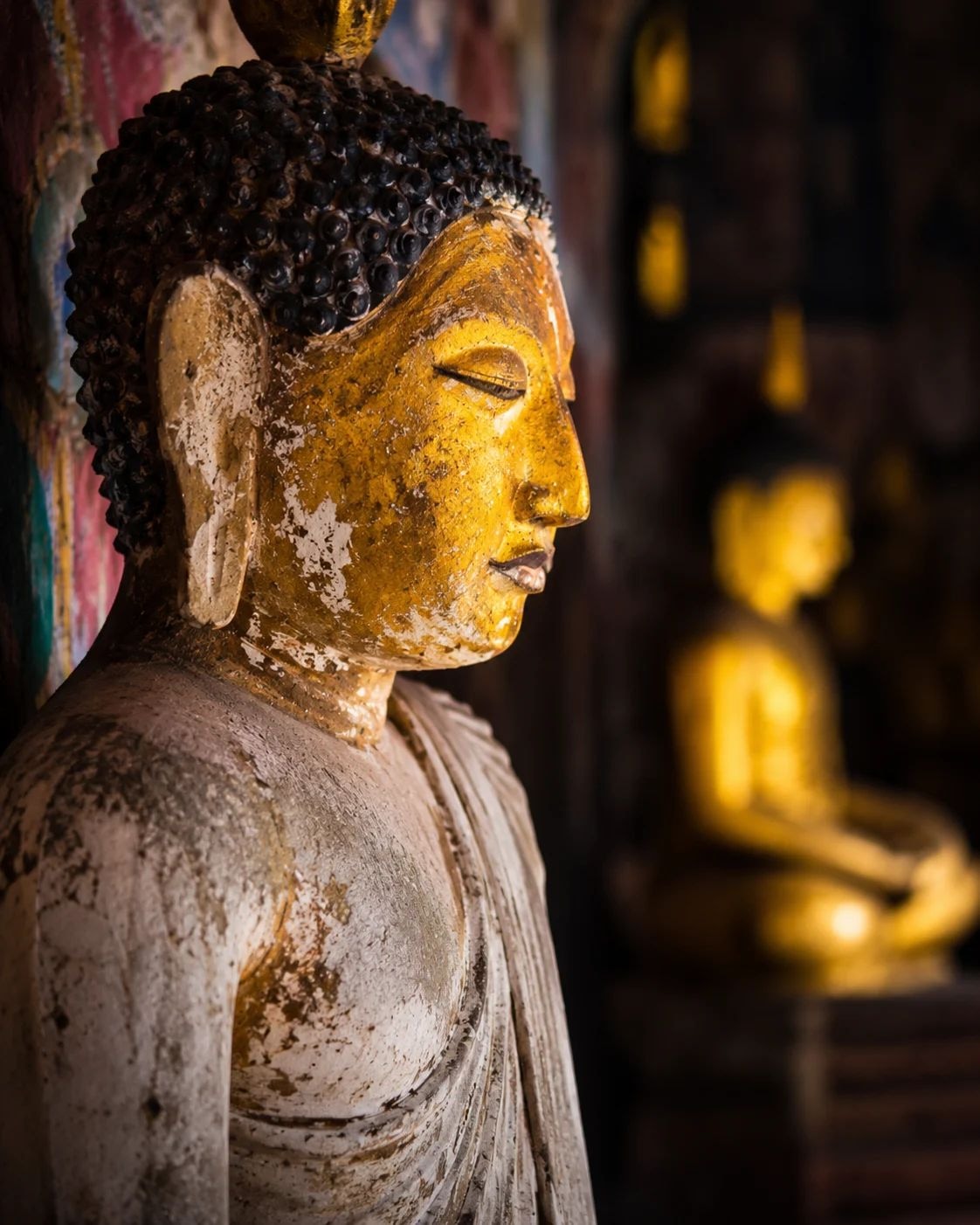
Dambulla Cave Temple is worth visiting if you want one properly significant cultural stop in the middle of the Cultural Triangle, not just another photo break. It is a living pilgrimage site, not a decorative monument, and you should plan on one to two hours rather than trying to rush through it between Sigiriya and lunch.
The short answer is this: go if you are already in the region, go early or later in the day, and go with the right expectations. The climb is short but warm, the caves are modest in size, and the value is in the murals, statues and atmosphere rather than in drama or scale.
What is Dambulla Cave Temple, really?
Dambulla Cave Temple, also known as the Golden Temple of Dambulla, is Sri Lanka’s best-known cave temple complex and a UNESCO World Heritage Site. It sits on a rock outcrop above the town of Dambulla and contains five cave shrines, hundreds of Buddha images and extensive wall and ceiling paintings.
What makes it stand out is not only age, but continuity. This is not a ruined site preserved behind ropes; it is still an active place of worship. That means you are visiting a shrine first and a sightseeing stop second. If you want polished museum presentation, this is not that. If you want a place where history, devotion and everyday ritual still overlap, it is one of the strongest stops in central Sri Lanka.
The site is especially useful for travellers building a route through Sigiriya, Dambulla and Polonnaruwa. It works well as a half-day cultural stop because it does not demand a full day on its own.
How long do you need at Dambulla Cave Temple?
For most visitors, the right answer is 60 to 90 minutes. You can get through it faster, but that usually means turning the visit into a checklist rather than actually seeing the caves properly.
A sensible first-time visit looks like this:
- 01Park or arrive at the base and buy your ticket.
- 02Walk up the steps at a steady pace.
- 03Remove shoes before entering the shrine areas.
- 04Spend time in each cave rather than rushing from the first to the last.
- 05Take the descent slowly, especially if it is hot or wet.
If you like photography, art history or religious sites, allow closer to two hours. If you are visiting with children, older relatives or in strong midday heat, build in extra time for breaks. The site is compact, but the climb and the heat can make it feel more demanding than it looks on paper.
The mistake is to treat Dambulla as a quick stop. The better visit is the slower one.
Which cave temple route and timing make the most sense?
There are multiple ways up to the temple, but the practical advice is the same: choose the route that gets you there comfortably, then visit when it is cooler. The climb involves long granite steps, so timing matters more than fitness for most people.
The best windows are usually early morning and late afternoon. Midday is not impossible, but it is the least pleasant time if you are sensitive to heat or if you are visiting in the hotter months.
If you are staying in Sigiriya or Habarana, a good pattern is to do Sigiriya first thing, then Dambulla later in the day. If you are driving north or south through the centre of the island, Dambulla also works neatly as a break in the journey.
What should you expect inside the caves?
The site is not one single room but a sequence of shrine spaces. Expect painted ceilings, seated and reclining Buddha figures, guardian figures, and a devotional atmosphere that is quieter than many first-time visitors expect.
The key things to look out for are:
- Murals on walls and ceilings, which are the main artistic draw.
- Statues in different poses and sizes, including some larger reclining figures.
- The sense of scale between the narrow cave openings and the decorated interiors.
- The lived-in nature of the place: flowers, offerings and people praying.
Do not expect a massive open monument or a long explanatory museum trail. The experience is more intimate and more compact. That is why some travellers love it and others find it underwhelming. If you prefer large archaeological landscapes, you may get more out of Polonnaruwa. If you want a single, accessible cultural stop with spiritual weight, Dambulla is a better fit.
What should you wear and how should you behave?
Because this is an active religious site, modest dress matters. You do not need to overcomplicate it, but you should dress as if you are entering a sacred space, not a viewpoint.
A practical checklist:
- Shoulders and knees covered is the safest choice.
- Wear shoes that are easy to remove and put back on.
- Bring socks if you dislike bare feet on warm stone.
- Carry water, but avoid cluttering the shrine areas.
- Be ready to move quietly and to step aside for worshippers.
There is one local rule that catches people out: you must remove footwear in temple areas. That sounds obvious, but it is easy to forget if you have been moving through a hot sightseeing day. A small bag for your shoes is useful, and so is a pair of socks if you are not fond of bare feet on rough ground.
Photography is usually straightforward for casual visitors, but always be discreet. Keep your voice low, avoid blocking worshippers, and do not treat the caves like a set piece. If you are unsure whether a specific area is appropriate for photos, err on the side of restraint.
tip Visit before or after Sigiriya, not between everything else If your route already includes Sigiriya, Dambulla works best as the cultural stop before lunch or late in the afternoon. That keeps the day from becoming too fragmented and gives you a calmer visit than the usual hurried middle-of-the-day stop.
How does Dambulla fit into a Cultural Triangle route?
Dambulla is most useful when it is part of a route, not a standalone day. It sits in the middle of one of Sri Lanka’s most travelled circuits, so the question is not whether it exists in isolation, but where it adds value.
A useful way to think about it is this:
- 01Sigiriya for the iconic climb and views.
- 02Dambulla for the temple and cultural depth.
- 03Polonnaruwa for a larger archaeological day.
That does not mean you need all three. In fact, for some travellers, all three in one short trip is too much. Dambulla is the easiest one to fold into a fuller route because it is shorter and less physically demanding than Sigiriya and less sprawling than Polonnaruwa.
If you only have a single night in the area, I would prioritise Sigiriya first and then use Dambulla if time allows. If you have two nights, both can sit comfortably on the same trip without feeling rushed.
Is Dambulla Cave Temple worth it?
Yes, but with a caveat: it is worth it for travellers who value heritage, religious atmosphere and practical routing, not for those looking for a dramatic standalone attraction.
It is worth the stop if you:
- are already staying in the Cultural Triangle;
- want one major cultural site that is not physically exhausting;
- enjoy temples, murals and living religious sites;
- want a stop that pairs naturally with Sigiriya or a longer north-central route.
It may not be worth special detour time if you:
- are only passing through and already feel overloaded with temples;
- prefer open-air ruins and big landscapes to shrine interiors;
- dislike climbing steps in heat;
- are trying to fit too much into a single day.
That honest trade-off is important. Dambulla is not a spectacle in the way some travellers expect. Its strength is that it is measured, significant and easy to combine with the rest of the centre of the island. For the right traveller, that makes it one of the most useful cultural stops in Sri Lanka.
Practical planning tips before you go
A few small choices make the visit much smoother:
- Go early if you can, especially in hotter months.
- Combine it with Sigiriya or a transfer day rather than making it a separate major outing.
- Carry small cash for the entrance process and any incidental needs.
- Bring water, but keep your day bag light.
- Wear shoes that are quick to remove, because you will be taking them off more than once.
If you are travelling with a private driver, ask to arrive before the busiest middle part of the day. That simple adjustment can make the whole experience feel calmer and less compressed.
For travellers building a tailor-made Sri Lanka route, Dambulla usually works best as part of a broader north-central circuit rather than as a one-off stop. Done that way, it adds depth without slowing the whole trip down.
Dambulla Cave Temple at a glance
If you want a route that uses Dambulla properly, not as a rushed box-tick, it is usually best paired with Sigiriya, Kandy or a wider central circuit. That is where it earns its place.
Discussion
Your turn — been there, or heading there?
Questions
What people ask us
Most travellers need 60 to 90 minutes, including the climb, time inside the caves and the descent. If you enjoy art, history or temple architecture, allow closer to two hours. If you are short on time, it can be done faster, but it feels less rewarding.
Yes, if you want one meaningful cultural stop in the same area. Dambulla is shorter and less strenuous than Sigiriya, so it works well as a second visit on the same day or the day before. If you are choosing only one, Sigiriya is usually the bigger priority for most first-time visitors.
Dress modestly, with shoulders and knees covered if possible. You will need to remove your shoes in temple areas, so wear footwear that is easy to take off and put back on. Socks can help if you dislike walking barefoot on hot stone.
Yes. The temple is still visitable in wet weather, but the steps can be less comfortable and the rock surfaces may be slippery. A rain jacket is better than an umbrella if you want to keep both hands free on the climb.
No. For most travellers, it is a half-day or shorter stop. It usually fits best within a wider Cultural Triangle route, especially if you are also visiting Sigiriya, Habarana or Polonnaruwa.
Journeys
Where this turns into a trip
Each is private and fully adjustable — a shape to start from rather than a package.
Keep reading
More from the journal
Sri Lanka Travel Guide7 min read
Sri Lanka 14 Day Itinerary: a route that actually works
A sensible two-week Sri Lanka route for first-time visitors: culture, tea country, safari and coast, with honest pacing and the stops worth keeping.
Beaches7 min read
Trincomalee in December: is it worth visiting?
A practical guide to east-coast weather, sea conditions, and what still works in Trincomalee in December — plus what to skip if you want a smooth trip.
Sri Lanka Travel Guide7 min read
Galle Fort travel guide: what to do and how long to stay
A practical guide to Sri Lanka’s best-known fort town: what is worth your time, how long to stay, and when Galle works best in a route.
When you are ready
Turn this into a journey.
Tell us roughly when you want to travel and what matters to you, and we will come back with a considered outline.