Sri Lanka in September: where to go and what to book first
September is one of the island's most underrated months: the east coast is still at its best, the elephants gather at Minneriya and the crowds have gone home. The trick is staying away from the south-west.
September is a good month for Sri Lanka if you choose the right side of the island. The east coast, around Trincomalee and Arugam Bay, is at the end of its best season, the Cultural Triangle is dry and the elephant gathering at Minneriya is usually at its peak. The south-west coast is still in its wet season.
It is also one of the most underrated months of the year. The European summer holidays are over, the east is still good, and the big sites are quieter than they will be until spring. The mistake is booking a beach week in the south-west because that is where the famous photographs were taken.
Is September a good time to visit Sri Lanka?
Yes, for the right route. September is the last month of the south-west monsoon, which means the island is split in two: wet in the south-west and the western hills, dry in the north, the east and the Cultural Triangle. Build the trip on the dry side, and September works very well.
What September does well
- The east coast. Calm seas and dry days around Trincomalee, with snorkelling at Pigeon Island when the water is clear.
- Surf. Arugam Bay is in the last reliable weeks of its season, still among the most consistent months for the point.
- Elephants. The gathering on the grasslands of the Minneriya reservoir usually peaks around September.
- The Cultural Triangle. Dry, if hot, and quieter than in the winter months.
- The north. Jaffna is near the end of its long dry season.
What September does not do well: a beach week on the south-west coast, whale watching off Mirissa, clear views in the western hills, and a safari plan that depends entirely on Yala's busiest blocks.
What the weather does in September
The south-west monsoon runs roughly from May to September and brings its rain to the west and south coasts and the western side of the hill country. In September it is weakening, but the south-west is still unsettled: grey skies, rough seas and frequent showers, with better days becoming more common towards the end of the month.
The rest of the island sits in the monsoon's rain shadow. The east coast, the north and the Cultural Triangle are dry, hot and mostly sunny. In the hills, the picture splits: Nuwara Eliya, on the western side, is still in its cloudiest stretch of the year, while Ella, on the eastern edge, is usually drier.
So we plan September by region rather than by day:
- The east and north: the beach, the sea and long outdoor days.
- The Cultural Triangle: early starts, before the dry-zone heat.
- The hills: Kandy and Ella rather than a long stay in Nuwara Eliya.
- The south-west: a night or two in Galle at most, for the town rather than the beach.
In September, the island is not good or bad. It is good on one side.
Where to go in September
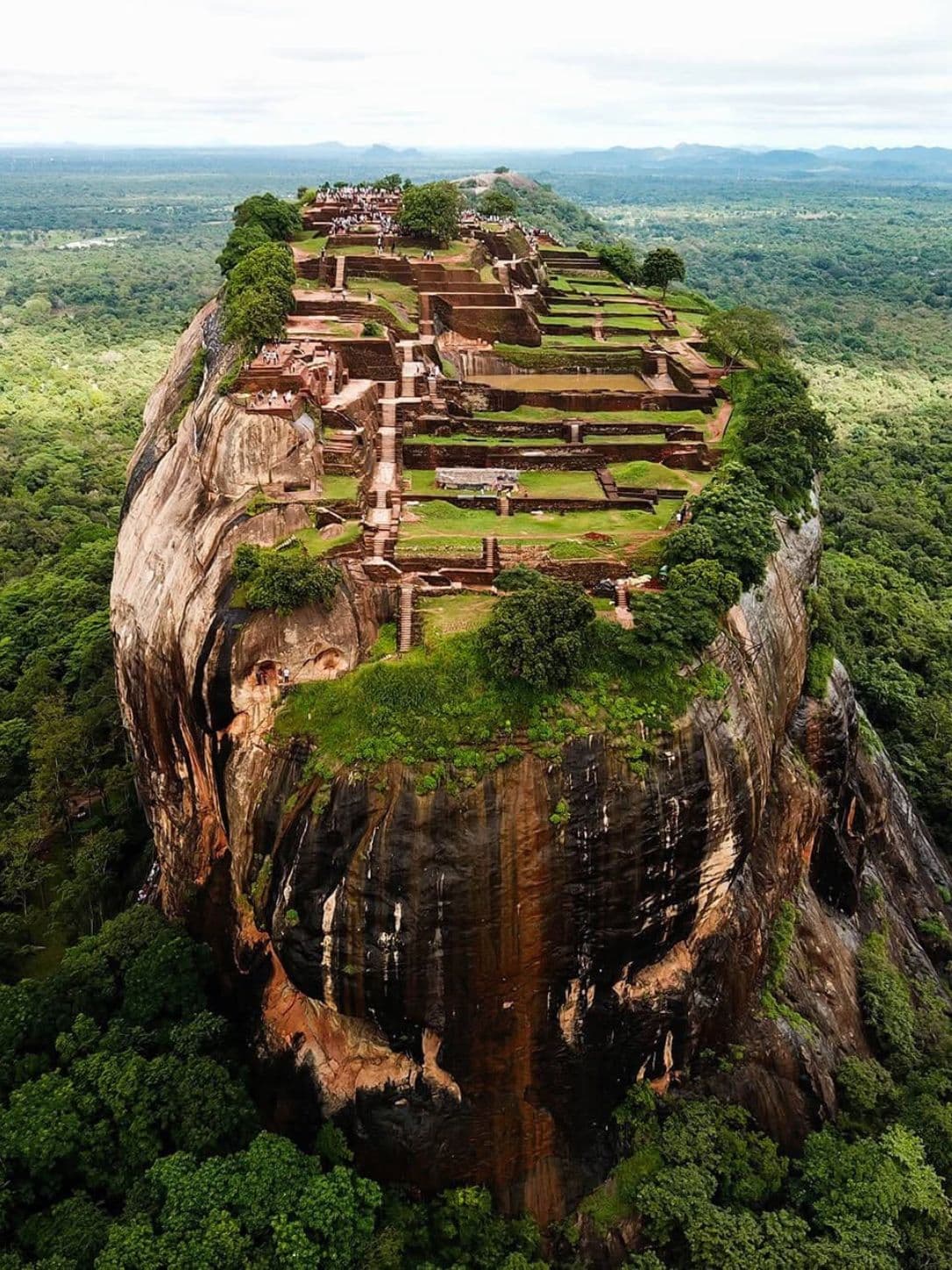
Sigiriya and Dambulla are at their driest. Climb Sigiriya at 7am, rest through the heat, and spend the late afternoon on an elephant drive at Minneriya or Kaudulla.
On the east coast, Trincomalee's beaches at Uppuveli and Nilaveli are at their calmest, and the daily flight from Colombo makes it easy to reach; we compare the options in Colombo to Trincomalee. Further south, Arugam Bay is in its last good weeks; we explain what happens next in Arugam Bay in October.
In the hills, Kandy and Ella both work, and the train between them is one of the trip's best days when the line is open end to end. Nuwara Eliya is worth a night for the tea, but September is not the month for Horton Plains views. On the south-west coast, Galle earns a night because the Fort is a town and not just a beach.
Wildlife in September
The elephant gathering. As the dry season goes on, the Minneriya reservoir shrinks and fresh grass grows on the exposed bed, drawing elephants from the surrounding forests. The numbers usually peak around September, and in a good year several hundred can be on the grassland at once. It depends on the water level, which is managed for irrigation, so in some years the gathering is much smaller; we check before we promise it.
Yala. The busiest blocks of Yala are often closed for part of the dry season when water runs short. In 2026, Blocks 1 and 2 closed from 14 September to 15 October, while the park's other zones stayed open. If a leopard is the reason for your trip, check the closure dates in August, or plan around Udawalawe and Yala's quieter zones.
Whales. September falls between seasons. Off Trincomalee, the season is winding down, and off Mirissa it does not begin until about November.
Dates and changes for September 2027
- Wednesday 15 September: Binara Full Moon Poya, a public holiday. Alcohol and meat are not sold.
- Mid-September to mid-October: the period when Yala's main blocks are most likely to close in a dry year. The Department of Wildlife Conservation usually announces closures a week or two ahead.
- All month: the summer season for domestic flights, which serves the east coast, including daily flights to Trincomalee.
- By September 2027: the hill railway between Kandy and Nanu Oya, closed since Cyclone Ditwah, was expected to have reopened. Check before you build a train day into the trip.
- Before you fly: most visitors need an ETA; since May 2026 it has been free for travellers from 40 countries. The details are in Sri Lanka visa in 2026.
What to book first
- 01Your east-coast hotel, in Trincomalee or Arugam Bay, since this is the side of the island everyone in September is heading for.
- 02A private car and driver, because the best September routes cross the island from west to east.
- 03The flight to Trincomalee, if you are using it. Seats are few.
- 04Elephant and safari drives, for the afternoon at Minneriya or Kaudulla and the morning in Udawalawe or Yala.
- 05The south-west last, if at all, and only for a night or two in Galle.
A ten-night September route
- 01Nights 1 to 3: the Cultural Triangle. Sigiriya at opening, Dambulla and Polonnaruwa, with an afternoon elephant drive at Minneriya or Kaudulla.
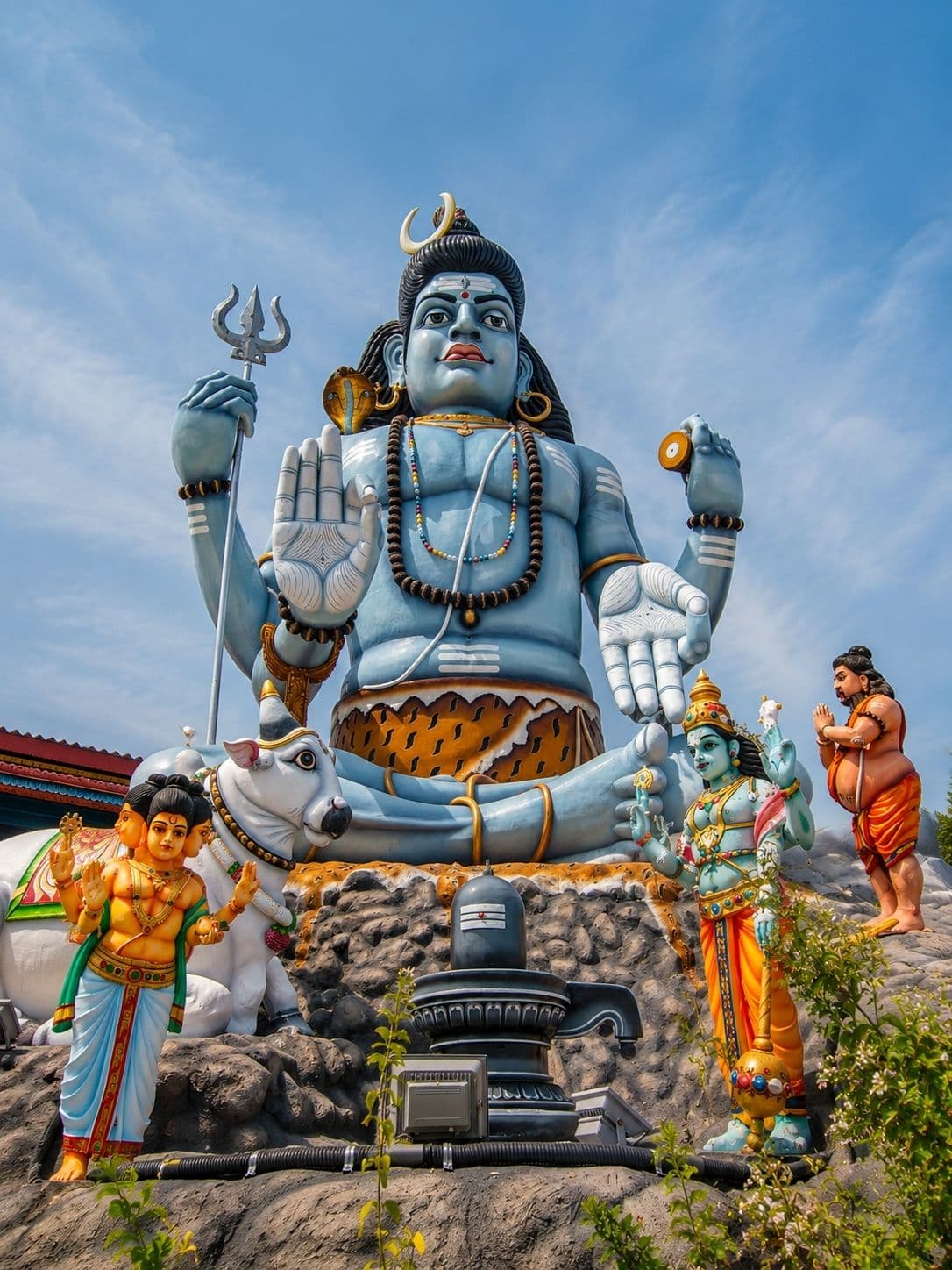
- 02Nights 4 to 6: Trincomalee. The beach at Uppuveli or Nilaveli, Pigeon Island on a calm morning, and Koneswaram at dusk.
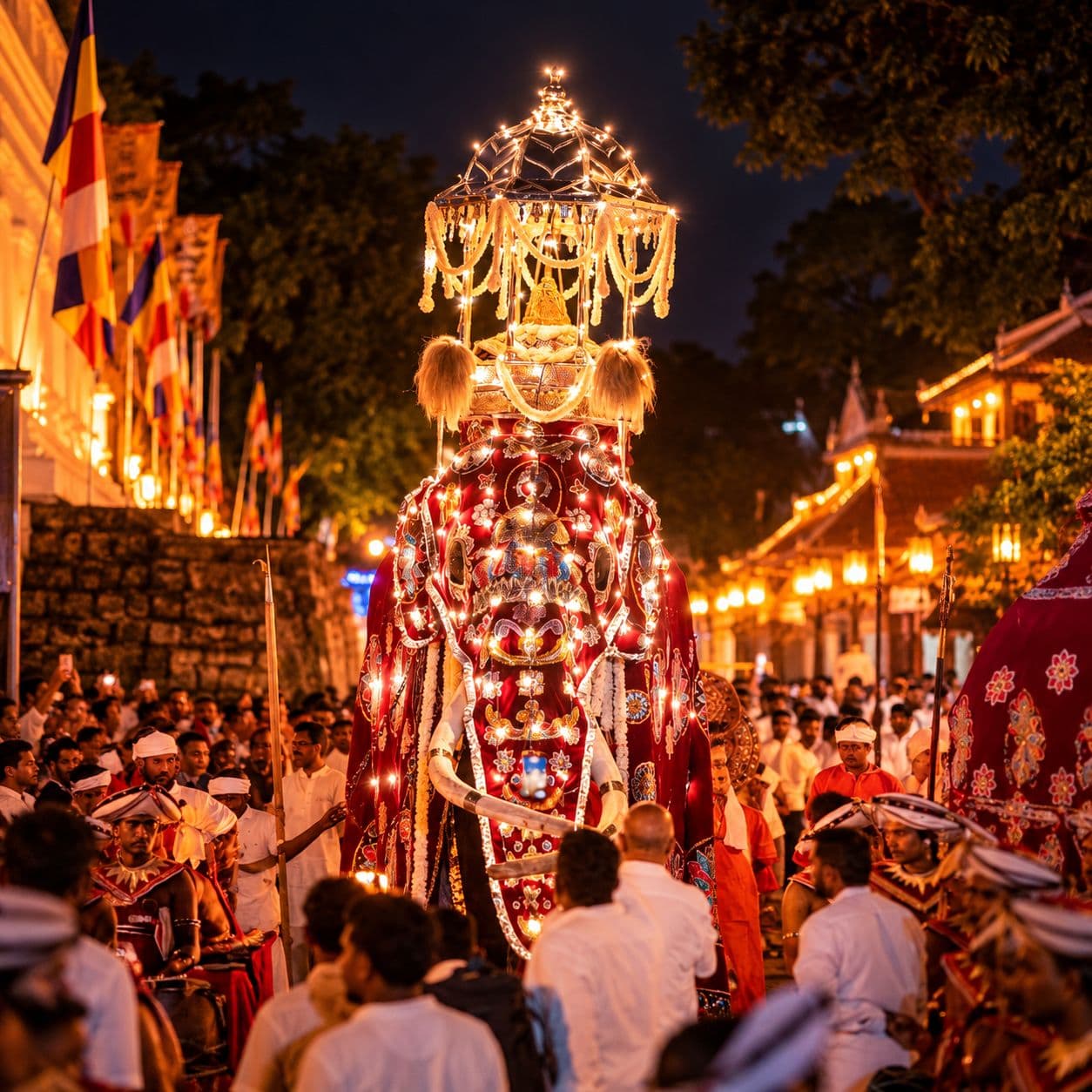
- 03Nights 7 and 8: Kandy. Back inland, with the Temple of the Tooth in the evening.
- 04Nights 9 and 10: Ella. Through tea country and down to the eastern hills, where September is kinder.
For surfers, swap Trincomalee for Arugam Bay and reverse the order: hills first, then down from Ella to the coast in about three to four hours. This is our Ceylon Icons journey turned to face east, which is how we build it every year between May and September.
Who September suits
- Travellers who want beaches and culture in one trip, without the winter crowds.
- Surfers who can travel in the first half of the month.
- Wildlife lovers, for the elephant gathering at Minneriya.
- Families and couples happy to spend most of the trip on the east side of the island.
Less suited: anyone set on a south-west beach holiday, whale watchers, and travellers who want Horton Plains at its clearest.
If September is your month, tell us your dates and what matters most. We will turn the route to face the right coast, check the elephants and the park closures before you arrive, and keep the south-west for another year. Plan my Sri Lanka trip.
Last checked 16 October 2026.
Author @Mahinsa Hennakgedara
Discussion
Your turn — been there, or heading there?
Questions
What people ask us
Yes, if you choose the right side of the island. September is the end of the south-west monsoon, so the east coast, the north and the Cultural Triangle are dry and at their best, while the south-west coast is still wet. Build the trip around the east, and it is one of the most underrated months of the year.
The east coast around Trincomalee and Arugam Bay, the north around Jaffna, and the Cultural Triangle around Sigiriya and Dambulla. Ella, on the eastern edge of the hills, is usually drier than Nuwara Eliya on the western side.
Yes, but not for a beach holiday. The south-west coast is still in its wet season, with rough seas and frequent showers. Galle Fort is worth a night because it is a town, not just a beach, while Mirissa's whale season does not begin until around November.
Usually, yes. The gathering builds through the dry season as the Minneriya reservoir shrinks and fresh grass appears on its bed, and numbers normally peak around September. The size varies from year to year with the water level, so ask before you plan around it.
Usually, but its busiest blocks are often closed for part of the dry season when water runs short. In 2026, Blocks 1 and 2 closed from 14 September to 15 October while the rest of the park stayed open. Check the closure dates before booking, or plan around Udawalawe.
Journeys
Where this turns into a trip
Each is private and fully adjustable — a shape to start from rather than a package.
Places
Mentioned in this piece
Keep reading
More from the journal
Sri Lanka Travel Guide7 min read
Sri Lanka 14 Day Itinerary: a route that actually works
A sensible two-week Sri Lanka route for first-time visitors: culture, tea country, safari and coast, with honest pacing and the stops worth keeping.
Wildlife6 min read
Wilpattu National Park: how to visit it well
A practical guide to Sri Lanka’s quieter leopard park: when to go, which gate to use, what time to leave, and how to make the safari worthwhile.
Sri Lanka Travel Guide7 min read
Galle Fort travel guide: what to do and how long to stay
A practical guide to Sri Lanka’s best-known fort town: what is worth your time, how long to stay, and when Galle works best in a route.
When you are ready
Turn this into a journey.
Tell us roughly when you want to travel and what matters to you, and we will come back with a considered outline.