Pigeon Island National Park: how to visit it well
A practical guide to Sri Lanka’s marine national park off Nilaveli: when to go, what the snorkelling is like, and when it is not worth the detour.
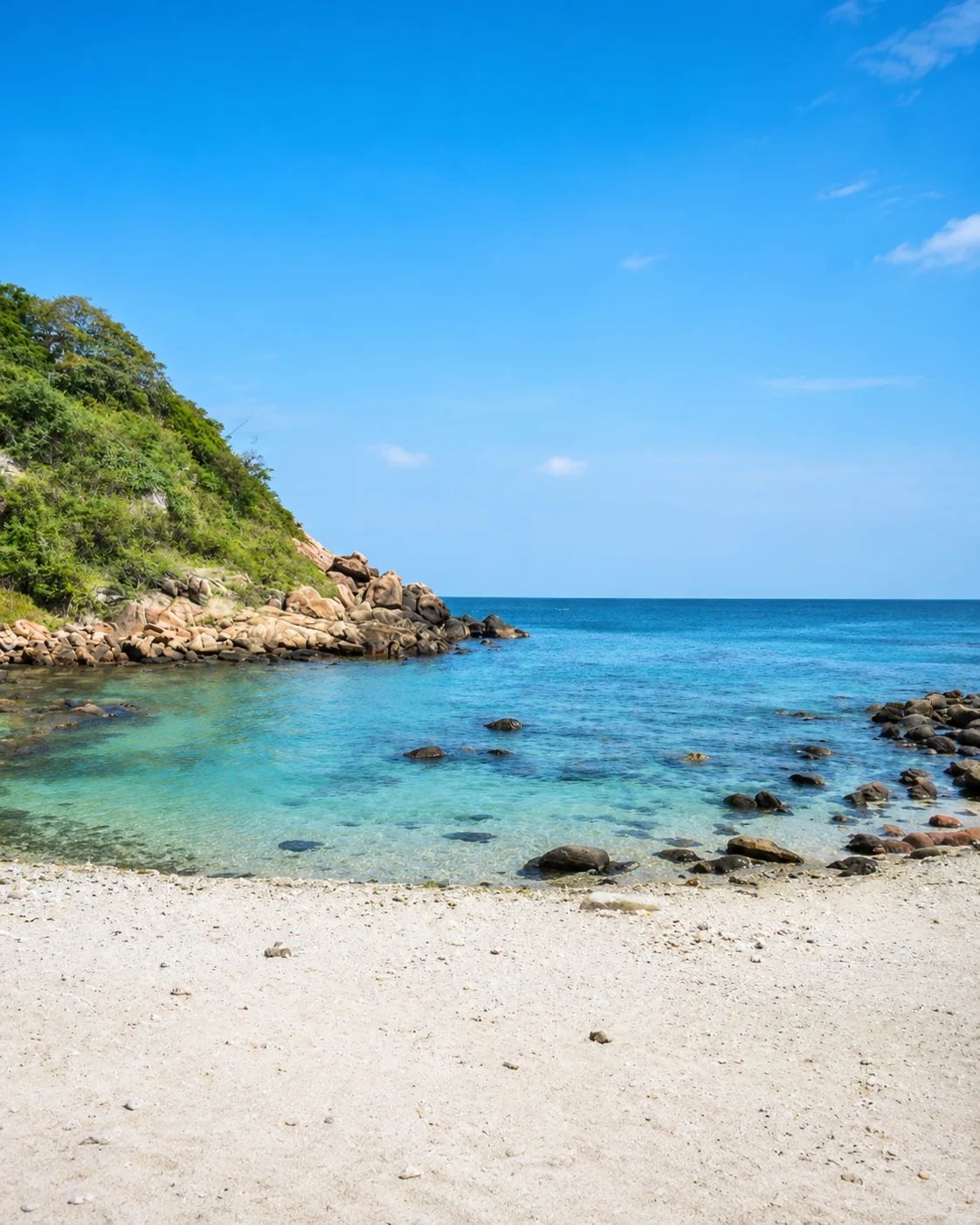
Pigeon Island National Park is worth visiting if you want one of the few places in Sri Lanka where the main event is under the water. The park sits off Nilaveli near Trincomalee, is reached by boat, and is best for travellers who are happy to snorkel rather than simply sit on a beach. (srilanka.travel)
The short answer: go if you are staying in Trincomalee or nearby, if the sea is calm enough for a sensible boat trip, and if you want coral and fish rather than a long, lazy swim. Skip it if you dislike early starts, are only in the area for a day, or expect a pristine, untouched reef with no other people around.
What is Pigeon Island, exactly?
Pigeon Island is a marine national park made up of two small islands and the surrounding sea off the northeast coast. Sri Lanka Tourism describes it as one of the island’s best remaining coral reef areas, with 100+ coral species and 300 reef fish species recorded there. Sea turtles and blacktip reef sharks are also commonly seen in the shallow coral areas. (srilanka.travel)
That is the reason people come. This is not a drive-in wildlife park, and it is not really a beach day in the usual sense. You go by boat from Nilaveli, snorkel over reef, and then leave. If you want a land-based outing with a little snorkelling on the side, this is probably the wrong expectation.
The setting helps explain the appeal. Trincomalee sits in Sri Lanka’s dry zone, which is why the east coast is favoured when the southwest is wet. Sri Lanka Tourism’s climate guide also places Trincomalee within the best dry-zone travel season from May to September, while the October to November period is the second inter-monsoon, when showers can be heavier and seas can become rougher. (srilanka.travel)
When is the best time to go?
For most travellers, the safest answer is May to September, when the east coast is generally at its best and sea conditions are more likely to cooperate. That does not mean every day is perfect, but it is the part of the year when a snorkelling trip is most likely to feel worthwhile rather than borderline. (srilanka.travel)
A useful way to think about it:
- May to September: best overall for the east coast and the clearest seasonal fit for Trincomalee.
- October to November: possible, but less reliable; showers and rougher seas can get in the way.
- December to February: not the prime Trincomalee window; better for the southwest coast.
If you are planning a Sri Lanka route around the east coast, Pigeon Island usually makes the most sense when paired with two or three nights in Trincomalee or Nilaveli, rather than as a rushed stop on the way somewhere else. That gives you a weather buffer, which matters more here than on a land attraction.
The reef is only half the story; the other half is whether the sea lets you enjoy it.
How do you get there?
The park is reached by boat from Nilaveli Beach. Sri Lanka Tourism says the boat journey takes about one hour each way, and the park can be visited daily from 9 a.m. to 5 p.m. Equipment such as goggles and swimming gear may be available locally. (srilanka.travel)
That means a realistic outing is not just the boat ride. Once you factor in meeting time, sea conditions, boarding, the snorkelling itself, and return travel, this is usually a half-day trip at minimum. If you are staying in Trincomalee town rather than Nilaveli, add more time again.
A practical comparison helps:
If you are building a wider east-coast stay, Nilaveli is the cleaner base for Pigeon Island. Trincomalee town works if you want more eating options and a broader set of sights, but it is less convenient for an early snorkelling departure.
What does the snorkelling actually feel like?
This is the part travellers most want answered, and the honest answer is: it depends on visibility, sea state, and how much you like marine life. The appeal is the combination of shallow reef, fish activity, and the chance to see turtles or reef sharks. Sri Lanka Tourism notes coral reefs, reef fish, turtles and blacktip reef sharks as characteristic sightings in the area. (srilanka.travel)
You should not expect a private aquarium. This is a protected marine area with real-world conditions: moving water, other visitors, and coral that should be treated carefully. On a good day, the reef can feel lively and rewarding. On a poor day, it can feel like a lot of effort for only moderate visibility.
What tends to make the difference:
- 01Calm seas make the boat trip easier and the snorkelling more comfortable.
- 02Earlier departures usually help, before the water and wind build later in the day.
- 03A sensible guide or boat operator matters more than polished marketing.
- 04Your own snorkelling comfort matters; if you are nervous in open water, the trip will feel more stressful than scenic.
A few truths are worth saying plainly. If you are not keen on snorkelling, Pigeon Island is probably not the best use of your time in Sri Lanka. If you love the water, it can be one of the more memorable half-days on the east coast.
Is it worth it with children or non-swimmers?
For confident swimmers, yes, often. For non-swimmers, the trip is more questionable unless they are content to stay very close to the boat and accept that the core experience is underwater. For children, it depends heavily on age, confidence in the sea, and how relaxed they are on boats.
I would be cautious about recommending it as a must-do family outing unless the children already enjoy snorkelling. A beach day at Nilaveli may be a better use of energy if you want something lower-friction.
If you are deciding between activities in Trincomalee, ask yourself which kind of day you want:
- Pigeon Island if you want reef, boats and snorkelling.
- Nilaveli beach time if you want a gentler day with less logistics.
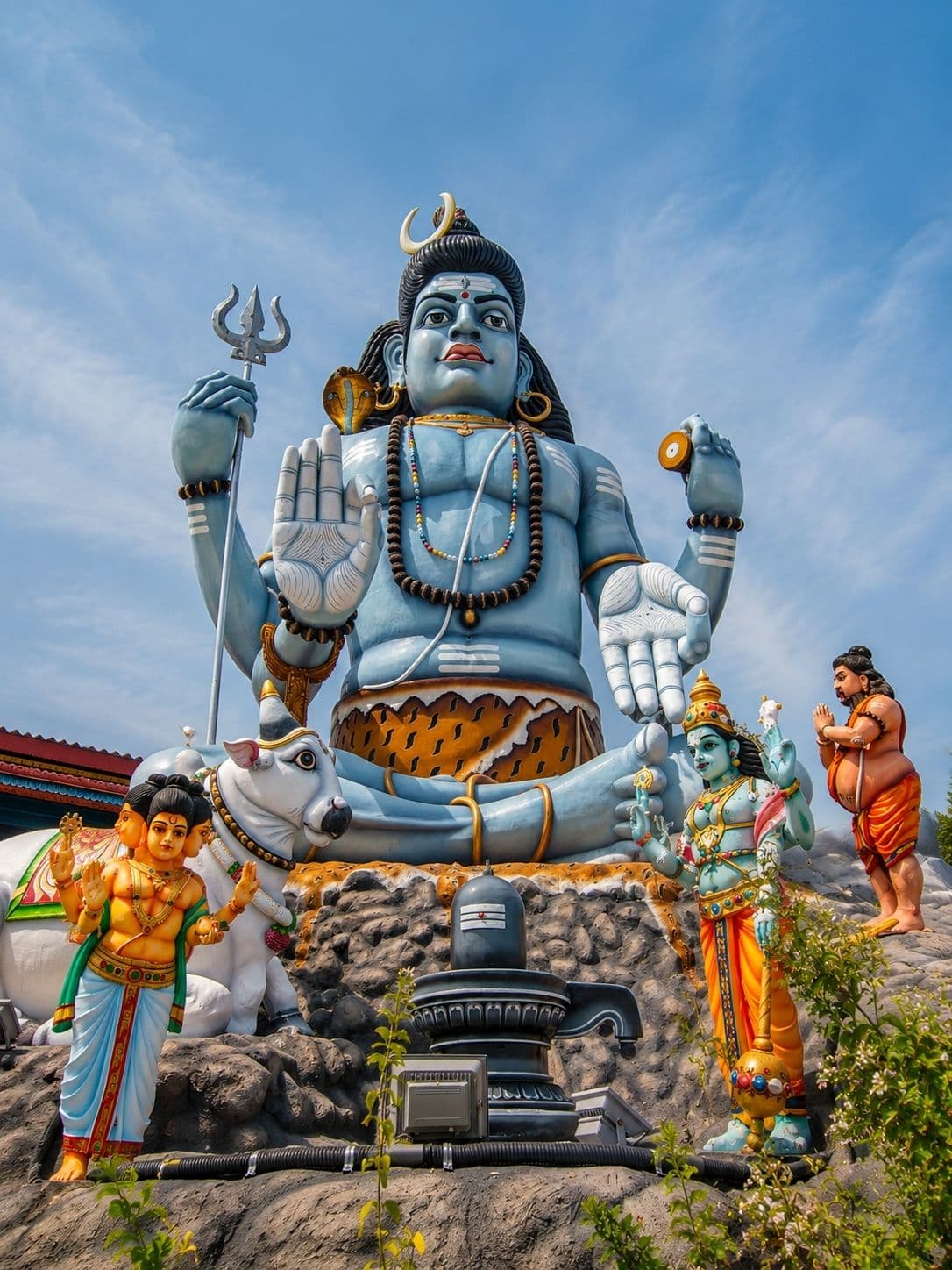
- Koneswaram Temple and Fort Frederick if you want culture and views.
- Whale watching if the season and sea conditions are right, though that is a separate outing. Sri Lanka Tourism identifies Trincomalee as one of the suitable whale-watching locations, with Mirissa and Dondra Point serving the south coast season instead. (srilanka.travel)
What should you know before you book?
Pigeon Island sounds simple, but a few practical points matter a lot in real life.
- Check the sea conditions first. If the weather is poor, the trip may be less enjoyable or less sensible.
- Book with a base near Nilaveli if you can. It reduces friction on the day.
- Go with reef protection in mind. Do not touch coral or wildlife, and do not treat the park like a swimming pool.
- Bring reef-safe basics if you use sunscreen; coral health should matter here.
- Treat the boat trip as weather-dependent, not as a guaranteed highlight.
Sri Lanka Tourism’s attraction listing says the park is open daily from 9 a.m. to 5 p.m., and boat operators from Nilaveli charge separately, with rates that vary by operator and season. The same page gives the park entry and boat fees, but since these can change, the safest planning approach is to confirm the latest price on the ground before you go. (srilanka.travel)
tip Go early, stay flexible Book Pigeon Island for the first calm morning you have in Trincomalee, not the last. If the sea is rough, it is better to postpone than to force the trip and come back disappointed.
How long should you stay in Trincomalee for Pigeon Island?
If Pigeon Island is a priority, two nights is the minimum, and three nights is better. That gives you one buffer morning if the weather is unkind, plus enough time to see something else without turning the trip into a race.
A tidy Trincomalee stay usually works like this:
- 01Arrival day: settle in, beach time, early dinner.
- 02Middle morning: Pigeon Island snorkelling.
- 03Second afternoon: relax, temple, or another beach.
- 04Departure day: leave after breakfast, not before.
If your whole Sri Lanka trip is already full, I would not bend the route dramatically just for this one outing unless snorkelling is a major interest. But if you are already headed to the east coast, Pigeon Island is one of the clearest reasons to make Trincomalee more than a passing stop.
So, is Pigeon Island National Park worth it?
Yes, if you want marine life and are comfortable snorkelling. It is one of Sri Lanka’s better east-coast day trips, and it makes the most sense in the dry season when the sea is more cooperative. It is less compelling if you dislike boats, hate early starts, or only have a single rushed day in Trincomalee. (srilanka.travel)
If you are planning a private route through Sri Lanka, this is the kind of stop that works best when it is fitted into a broader east-coast stay rather than squeezed in on a whim. Done properly, it is a strong addition to a Trincomalee trip; done badly, it is just an expensive swim.
FAQ
Is Pigeon Island good for snorkelling?
Yes. It is one of the better-known snorkelling spots on Sri Lanka’s east coast because of its coral reef, fish life, and the possibility of seeing turtles or blacktip reef sharks. The experience is still dependent on sea conditions, visibility and your comfort in the water, so it is best approached as a weather-sensitive marine excursion rather than a guaranteed showpiece.
Can you visit Pigeon Island all year?
You can technically visit year-round, but the best seasonal window for the east coast is generally May to September. Outside that period, especially during October and November, sea conditions can be less reliable. For a smoother trip, plan it for the dry-zone season and keep some flexibility in your itinerary. (srilanka.travel)
How long does a Pigeon Island trip take?
Allow most of a morning or half a day. Sri Lanka Tourism says the boat ride from Nilaveli takes about one hour each way, and the park is open from 9 a.m. to 5 p.m. in daily operating hours. Once transfers and snorkelling time are included, it is not a quick side stop. (srilanka.travel)
Should I stay in Nilaveli or Trincomalee for Pigeon Island?
Nilaveli is the easier base if Pigeon Island is the main reason for the visit, because it cuts down travel time before the boat trip. Trincomalee town is better if you want a broader range of restaurants and sights, but you will spend more time getting to the beach departure point.
Is Pigeon Island worth it if I do not snorkel?
Usually not. The main value of the park is underwater. If you do not want to snorkel, your time may be better spent at Nilaveli beach, Koneswaram Temple, or simply extending your stay somewhere more suited to your interests.
Discussion
Your turn — been there, or heading there?
Questions
What people ask us
Yes. It is one of the better-known snorkelling spots on Sri Lanka’s east coast because of its coral reef, fish life, and the possibility of seeing turtles or blacktip reef sharks. The experience is still dependent on sea conditions, visibility and your comfort in the water, so it is best approached as a weather-sensitive marine excursion rather than a guaranteed showpiece.
You can technically visit year-round, but the best seasonal window for the east coast is generally May to September. Outside that period, especially during October and November, sea conditions can be less reliable. For a smoother trip, plan it for the dry-zone season and keep some flexibility in your itinerary.
Allow most of a morning or half a day. Sri Lanka Tourism says the boat ride from Nilaveli takes about one hour each way, and the park is open from 9 a.m. to 5 p.m. in daily operating hours. Once transfers and snorkelling time are included, it is not a quick side stop.
Nilaveli is the easier base if Pigeon Island is the main reason for the visit, because it cuts down travel time before the boat trip. Trincomalee town is better if you want a broader range of restaurants and sights, but you will spend more time getting to the beach departure point.
Usually not. The main value of the park is underwater. If you do not want to snorkel, your time may be better spent at Nilaveli beach, Koneswaram Temple, or simply extending your stay somewhere more suited to your interests.
Journeys
Where this turns into a trip
Each is private and fully adjustable — a shape to start from rather than a package.
Places
Mentioned in this piece

Keep reading
More from the journal
Wildlife6 min read
Wilpattu National Park: how to visit it well
A practical guide to Sri Lanka’s quieter leopard park: when to go, which gate to use, what time to leave, and how to make the safari worthwhile.
Wildlife6 min read
Udawalawe National Park: how to visit it well
A practical guide to Sri Lanka’s easiest big-game safari: when to go, how long to stay, what to combine it with, and what not to expect.
Wildlife7 min read
Horton Plains National Park: how to visit it well
A practical guide to Sri Lanka’s highland plateau: the best time to go, how to reach the park, what the trail involves, and what to skip.
When you are ready
Turn this into a journey.
Tell us roughly when you want to travel and what matters to you, and we will come back with a considered outline.