Colombo to Trincomalee: car, night train or a 45-minute flight
Trincomalee is six or seven hours from Colombo by road, a night on the train, or 45 minutes by air on a daily scheduled flight. Here is which to choose, and why the best answer is usually to stop on the way.
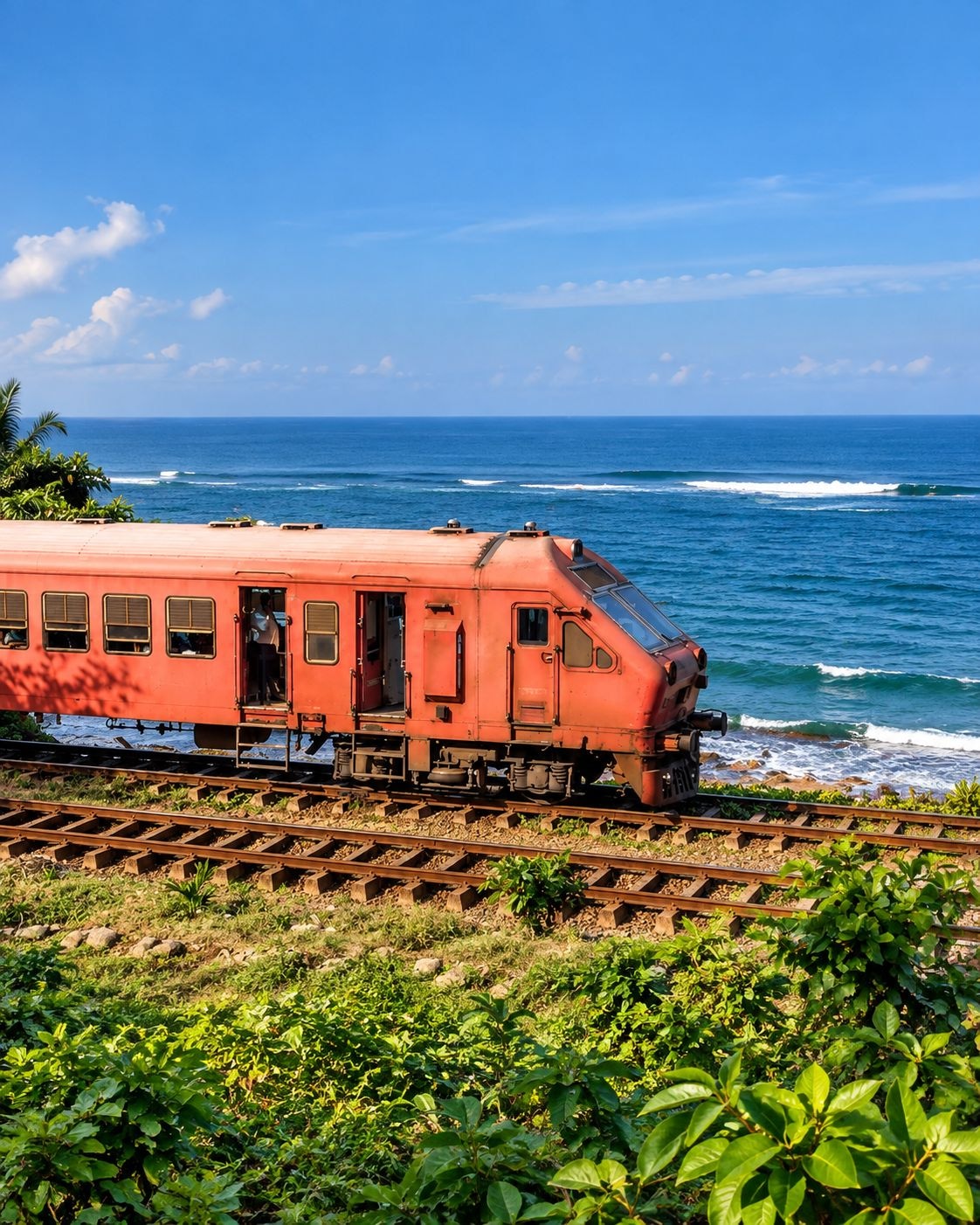
The best way from Colombo to Trincomalee depends on your time and budget. A private car takes six to seven hours, best broken in the Cultural Triangle; the Night Mail train leaves Colombo at 9.30pm and arrives around dawn; and Cinnamon Air flies daily from the international airport in about 45 minutes.
Trincomalee sits on the far side of the island from Colombo, on one of the great natural harbours of the world, with the beaches of Uppuveli and Nilaveli just to the north. It is a long way to go for a beach, which is exactly why the journey deserves some thought. Done well, it is part of the trip; done badly, it costs you a day.
Which option should you choose?
The question that decides it is usually not speed but what happens before and after. If you are landing in Colombo and want to be on the beach that afternoon, fly. If you are visiting Sigiriya anyway, drive and stop there. If you are on a budget and can sleep anywhere, take the train.
By road: the drive, and why we break it
The usual route heads north-east by way of Kurunegala and Dambulla to Habarana, then out across the dry zone past the Kantale reservoir to the coast. From central Colombo or the airport, allow six to seven hours before stops.
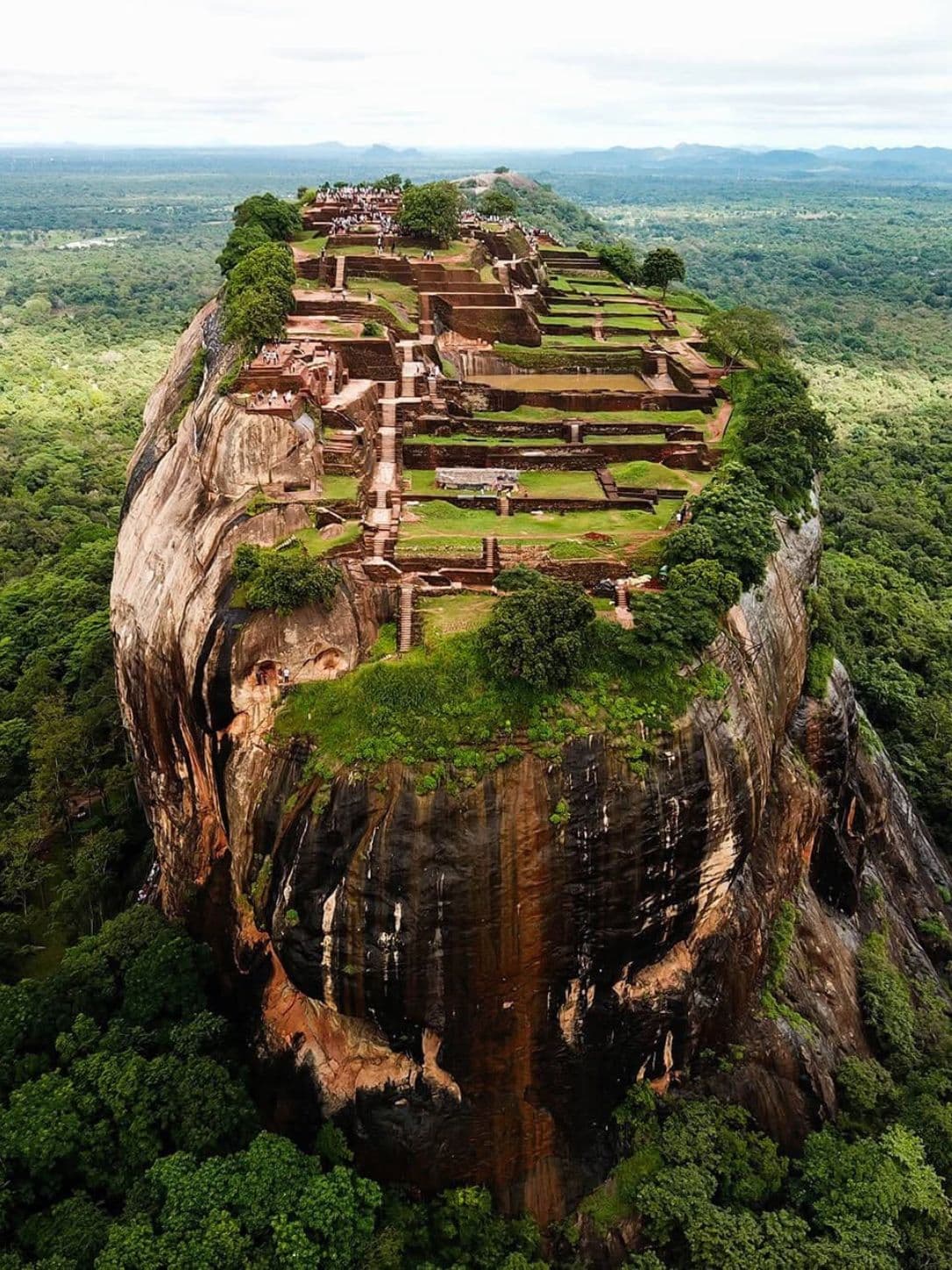
The road passes the edge of the Cultural Triangle, and that is the point. Sigiriya and Dambulla are about two to two and a half hours short of Trincomalee, so two nights there turn one long, flat transfer into two easy drives with the best ancient sites on the island in between. We explain the first half of the journey in Colombo to Sigiriya.
What the drive does well
- The Cultural Triangle. Sigiriya, Dambulla and Polonnaruwa are all on, or close to, the way.
- The door. No station or airport transfer, and your luggage stays with you.
- Wildlife. The Kaudulla and Minneriya parks lie just off the road, best in the dry season from roughly June to October.
What the drive does not do well: speed, and the stretch between Habarana and Kantale after dark, when wild elephants cross the road. We plan to finish that stretch in daylight.
By train: the Night Mail
The only direct train is the Night Mail. It leaves Colombo Fort at 9.30pm every night and reaches Trincomalee early the next morning, between about half past five and six. The return service leaves Trincomalee in the evening and reaches Colombo in the small hours.
It is a transport solution, not a scenic ride: you see almost nothing, because it is dark. Speeds are deliberately limited at night through the elephant corridors, which is part of why it takes so long. Reserved seats open 30 days ahead on the official site; we explain how to book in Sri Lanka train tickets.
The train suits travellers who sleep easily on the move, are travelling light and want to save a hotel night. It suits nobody who needs to be fresh for the next morning. Trincomalee station is in the town, so allow another 20 to 30 minutes by tuk-tuk or car to reach the beaches at Uppuveli or Nilaveli.
The night train saves you a hotel bill. It rarely saves you a day.
By air: the 45-minute option
This is the option most travellers do not know exists. Cinnamon Air flies from its own terminal at the international airport to China Bay, just outside Trincomalee, daily and all year, in about 45 minutes. The flight leaves in the morning until the end of October, and in the afternoon from 1 November, timed to connect with international arrivals.
For a traveller landing in Sri Lanka and heading straight to the east coast, it turns a day on the road into an afternoon on the beach. The aircraft are small, the luggage allowance is tight and the weather has the final say. It costs considerably more than the drive, so it makes most sense for short trips, or as one direction of a longer one.
By bus
Long-distance buses run daily between Colombo and Trincomalee and are by far the cheapest option. They take seven to eight hours, often longer, with limited space for luggage. We would only suggest the bus for travellers on a tight budget with a light bag and no fixed plans for the next day.
When to go
The east coast runs on the opposite season to the south-west. Trincomalee is at its best from about May to September, when the sea is calm, the water is clear around Pigeon Island and the weather is dry. October is the tail of the season, and November brings the north-east monsoon and the east coast's wet months.
If your dates are flexible, this decides the whole plan. Our honest month-by-month views are in Trincomalee in October and Trincomalee in November.
Dates and changes worth knowing
- Since 20 January 2026: the Night Mail between Colombo and Trincomalee has run daily again, after the cyclone suspension.
- Until 31 October 2026: the daily Cinnamon Air flight leaves the international airport in the morning.
- From 1 November 2026 to 30 April 2027: the daily flight moves to the afternoon.
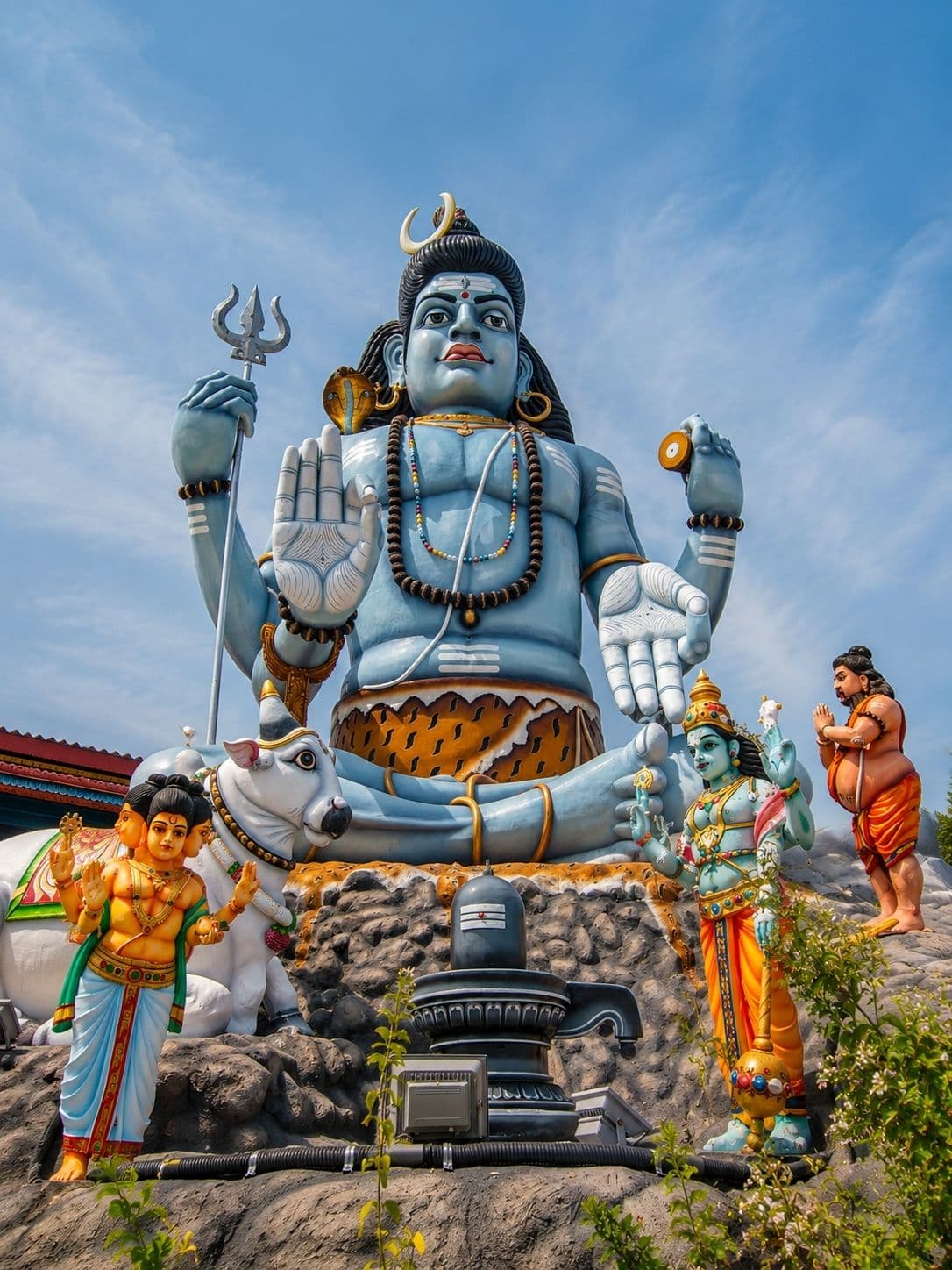
- Sunday 8 November: Deepavali, a public holiday and a big day at Trincomalee's Hindu temples, including Koneswaram.
- Tuesday 24 November: Il Full Moon Poya, a public holiday.
- Late November: flooding can stop trains on the eastern lines; in late November 2025, every service to Trincomalee and Batticaloa was cancelled for several days.
What to book first
- 01The flight or the train, depending on which way you go. Flight seats are few, and train seats open 30 days ahead.
- 02Your Trincomalee hotel, usually at Uppuveli or Nilaveli rather than in town.
- 03Two nights in the Cultural Triangle, if you are driving.
- 04A car and driver for the road legs, and to meet the train or plane.
- 05Pigeon Island, only once you are there and can see the sea.
A route that works
- 01Nights 1 to 3: the Cultural Triangle. Sigiriya at opening, Dambulla, Polonnaruwa, and an afternoon elephant drive at Kaudulla or Minneriya in season.
- 02Nights 4 to 6: Trincomalee. Uppuveli or Nilaveli for the beach, Pigeon Island on a calm morning, and Koneswaram at dusk.
- 03Nights 7 to 9: Kandy and tea country. Back inland by road, then the train from Nanu Oya to Ella.
- 04Night 10: the airport, or a final stop. Or fly back from China Bay and spend the saved day elsewhere.
Our Ceylon Icons journey usually finishes on the south coast. Between May and September we often swap that for Trincomalee instead, because that is when the east coast is at its best.
Who each option suits
- The car suits travellers seeing the Cultural Triangle on the way, families and anyone with luggage.
- The flight suits short trips, and anyone landing in Sri Lanka and heading straight for the east coast.
- The Night Mail suits light packers who can sleep anywhere and want to save a hotel night.
- The bus suits budgets that matter more than the day after.
If Trincomalee is on your route, tell us your dates. We will tell you honestly whether the east coast suits them, and whether to drive, fly or do both. Plan my Sri Lanka trip.
Last checked 15 October 2026.
Author @Mahinsa Hennakgedara
Discussion
Your turn — been there, or heading there?
Questions
What people ask us
By private car, six to seven hours before stops. By the Night Mail train, about eight and a half hours overnight. By bus, seven to eight hours or more. Cinnamon Air flies from the international airport in about 45 minutes, daily and all year.
Yes, one direct train a day: the Night Mail, which leaves Colombo Fort at 9.30pm and reaches Trincomalee early the next morning. It runs overnight, so you see little of the journey, but it saves a hotel night. Book reserved seats 30 days ahead on the official Sri Lanka Railways site.
Yes. Cinnamon Air runs a daily scheduled flight from Bandaranaike International Airport to China Bay, just outside Trincomalee, in about 45 minutes. From 1 November 2026 to 30 April 2027 it leaves in the afternoon. The aircraft are small and the luggage allowance is limited.
If you want to be on the beach the same day, fly: the daily Cinnamon Air flight leaves from its own terminal at the international airport. If you would rather see the Cultural Triangle, drive and stop for two nights near Sigiriya on the way.
From about May to September, when the east coast is dry and the sea is calm. October is the end of the season, and from November the north-east monsoon brings the east coast's wet months.
Journeys
Where this turns into a trip
Each is private and fully adjustable — a shape to start from rather than a package.
Places
Mentioned in this piece

Keep reading
More from the journal
Sri Lanka Travel Guide7 min read
Sri Lanka 14 Day Itinerary: a route that actually works
A sensible two-week Sri Lanka route for first-time visitors: culture, tea country, safari and coast, with honest pacing and the stops worth keeping.
Beaches7 min read
Trincomalee in December: is it worth visiting?
A practical guide to east-coast weather, sea conditions, and what still works in Trincomalee in December — plus what to skip if you want a smooth trip.
Wildlife6 min read
Wilpattu National Park: how to visit it well
A practical guide to Sri Lanka’s quieter leopard park: when to go, which gate to use, what time to leave, and how to make the safari worthwhile.
When you are ready
Turn this into a journey.
Tell us roughly when you want to travel and what matters to you, and we will come back with a considered outline.