Colombo to Jaffna: train, road or flight?
The Yal Devi is back on the northern line, there is no scheduled flight, and the drive is better in two halves. Here is how we would get you north.
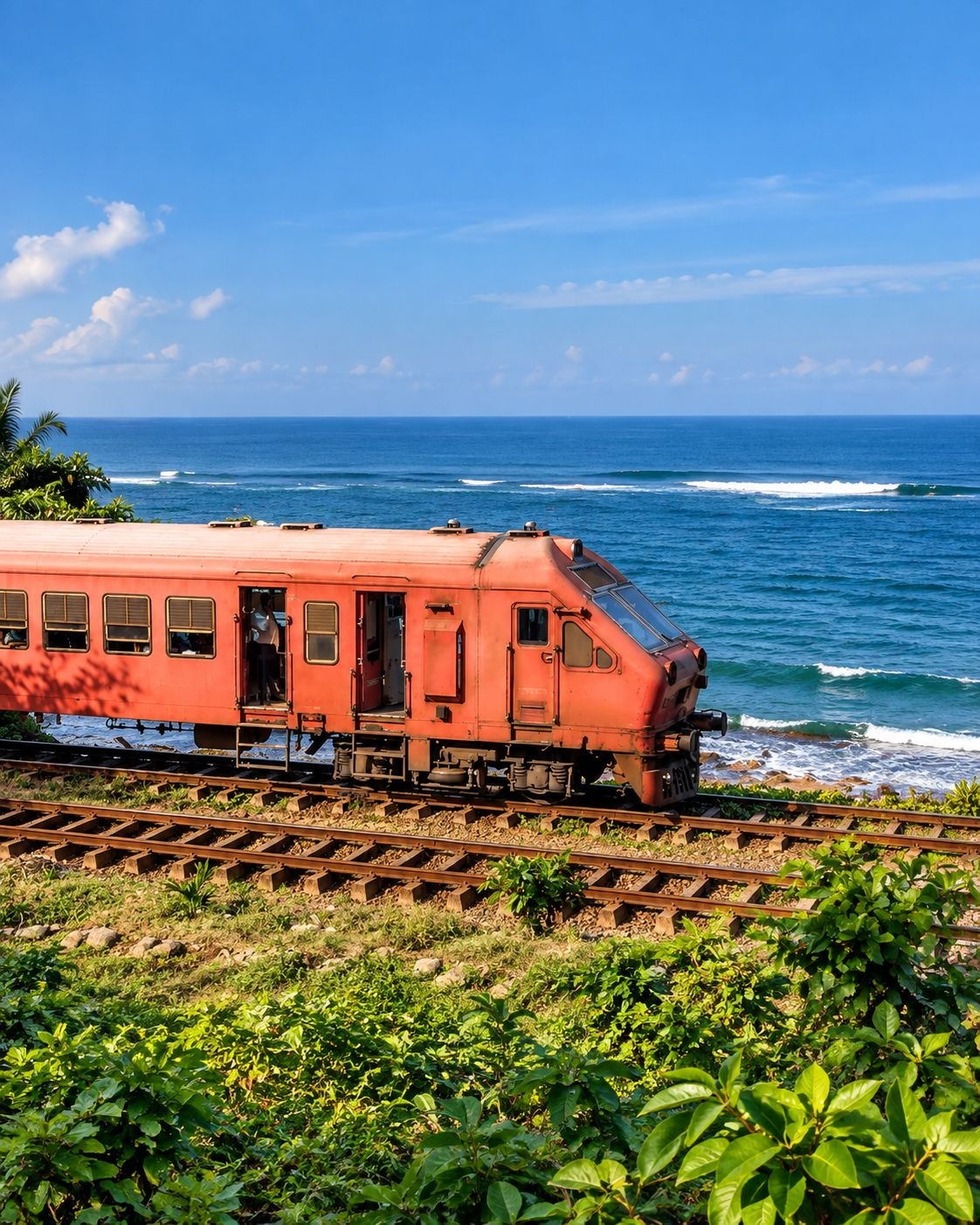
The best way from Colombo to Jaffna is usually the train. The Yal Devi returned to the northern line on 11 May 2026, with air-conditioned first-class carriages, and takes roughly seven to eight hours. By road it is about 400 kilometres, and better split with a night in Anuradhapura. There is no scheduled flight, only a private charter.
The more useful question is whether you should be starting in Colombo at all. Most travellers heading north are coming from the Cultural Triangle, and from there Jaffna is a much shorter drive. We explain the same trap in the other direction in Colombo to Sigiriya.
Is the train the best way from Colombo to Jaffna?
Usually, yes. The northern line was damaged by Cyclone Ditwah in late 2025 and closed for restoration in January 2026. The Yal Devi resumed services from Colombo Fort to Jaffna and Kankesanthurai on 11 May 2026, and four of its first-class compartments now have air conditioning.
The journey is long, but it is flat and steady, and you can read, sleep or watch the country change. Other services on the line have come and gone through the repairs. Check the current timetable before you rely on any particular departure.
Jaffna is not a day trip from anywhere. Choose the way north that leaves you some of the first evening.
What the train does well
- A long day without the road. Seven-odd hours in a seat you can get up from, rather than in a car on the A9.
- Air-conditioned first class. The four upgraded compartments on the Yal Devi make the run comfortable in the heat of the dry zone.
- The view. Coconut groves and paddy give way to scrub, reservoirs and then the flat, palmyra-dotted north. You see the island change in a way a highway never shows you.
- Arriving in town. Jaffna station is in the town itself, a short ride from most places to stay.
- Cost. It is a fraction of the price of a private car for the same distance.
What the train does not do well: door to door. You still need transport at both ends, the morning departures mean early starts, there is limited room for large luggage, and the best seats go quickly once the 30-day booking window opens.
Dates worth knowing
- January 2026: the northern line closed for restoration. Repairs to the cyclone-damaged track began with Indian grant funding, and services north of Maho were suspended during the works.
- 11 May 2026: the Yal Devi returned. Services resumed from Colombo Fort to Jaffna and Kankesanthurai, with four air-conditioned first-class compartments bookable in advance.
- Late July to August: the Nallur festival. Around 25 days of processions at Nallur Kandaswamy Kovil make these Jaffna's busiest weeks. Rooms and train seats go early.
- October to January: the north-east monsoon. This is the north's wet season, so expect showers and some grey days. We go through what that means in practice in Jaffna in October.
For the rest of the island's calendar, see when to visit Sri Lanka.
By road: worth it, if you split it
Colombo to Jaffna is about 400 kilometres by road. With stops for meals and the inevitable slow towns, that is seven to nine hours, and the last few hours of a long day in a car are the ones nobody enjoys.
Our answer is to do it in two days. Drive to Anuradhapura, give the ancient city an afternoon and the following dawn, then continue to Jaffna the next morning. You arrive with energy left for the town, and you have seen one of the island's great sites on the way rather than through a car window.
From the Cultural Triangle it is simpler still. Sigiriya to Jaffna is a single, manageable driving day, which is why we usually build the north in from there rather than from Colombo. A private car and chauffeur-guide also pays off once you arrive, because Jaffna's islands, causeways and north coast are spread out and badly served by public transport.
Flying: a charter, not a timetable
As of October 2026, we know of no scheduled domestic flight between Colombo and Jaffna. Cinnamon Air flies private charters from its domestic terminal at Bandaranaike International Airport to Jaffna's airport at Palaly, about 16 kilometres north of the town. The flight takes roughly 90 minutes and carries up to eight passengers.
A charter is priced per aircraft, not per seat, so it makes sense for a family or a small group on a short trip. The use we like best is one-way: take the train or the road north, then fly back to the international airport on the day of a late departure. That spares you the long road twice.
How long to stay in Jaffna
Two nights is the minimum to justify the journey, and three is better. Jaffna rewards slow days rather than a list, but a few things belong in any stay.
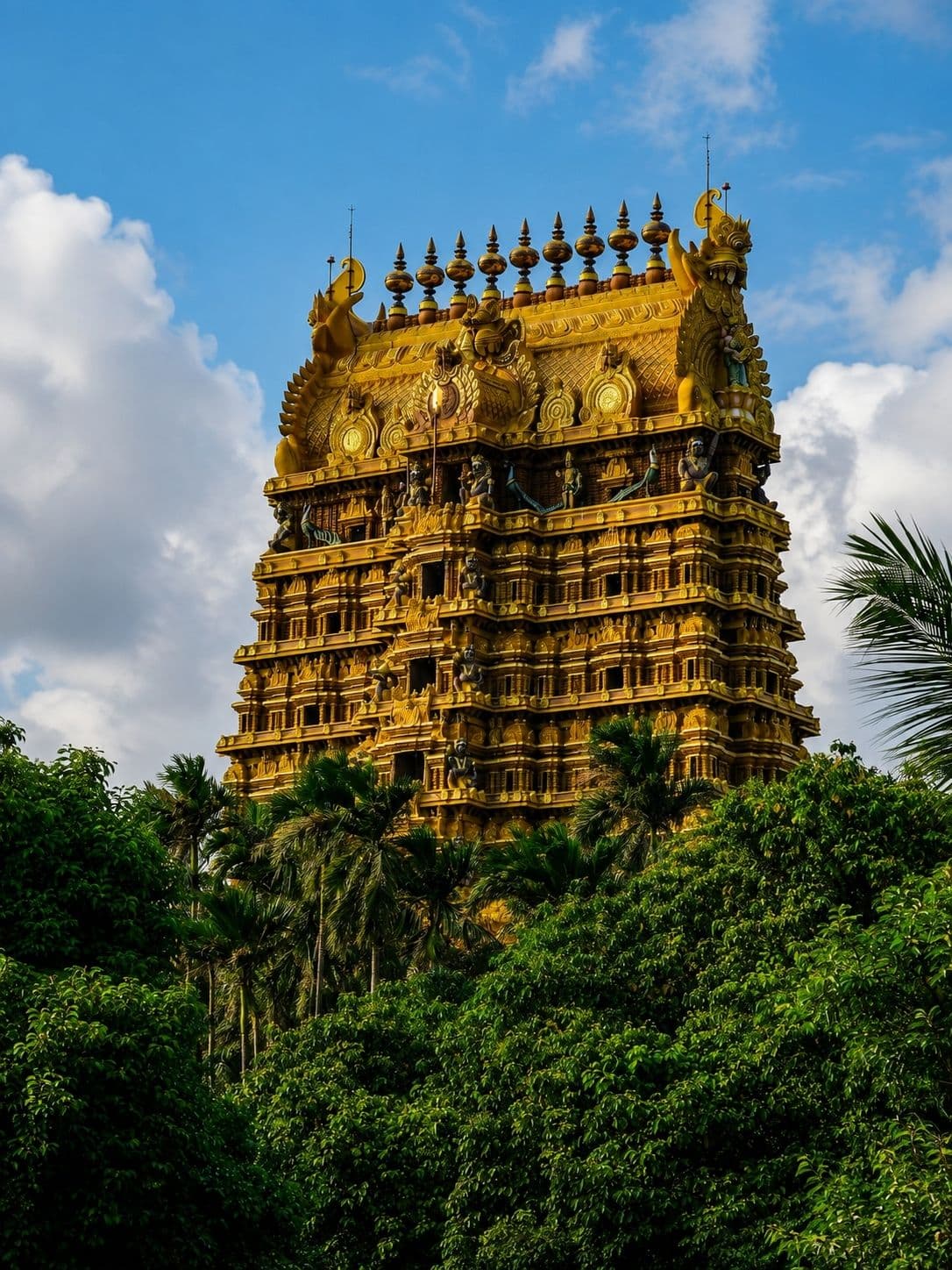
- Nallur Kandaswamy Kovil, ideally for an evening puja. Men remove their shirts to enter, so dress for it.
- Jaffna Fort, the Dutch star fort on the lagoon, best in the late afternoon.
- The islands. Causeways run out across the lagoon, and ferries continue to Nainativu and, sea permitting, to Delft, with its coral-stone walls and wild ponies.
- The food. Jaffna crab curry, a market morning, and anything with palmyra in it.
There is more on the city itself on our Jaffna page.
What to book first
- 01Your train seats or your car, whichever way you go north. Train reservations open 30 days ahead; our guide to booking Sri Lankan train tickets covers the system.
- 02Your Jaffna rooms. There are only a handful of good places to stay, and they fill around the Nallur festival.
- 03The night in between. That means Anuradhapura if you are driving, or Colombo the night before an early train.
- 04A charter, if you are using one. Aircraft and weather both need a margin.
- 05A flexible day for the islands. The ferries depend on the sea, so do not pin the island day to a single date.
A northern route that works
For about nine nights, best between May and September:
- 01Two nights near Sigiriya for the rock at dawn and the cave temples at Dambulla.
- 02One night in Anuradhapura to break the drive north and see the ancient city at first light.
- 03Three nights in Jaffna, with one day kept for the islands.
- 04Three nights in Trincomalee, on the east coast during its dry season, before the drive or a charter back to the airport.
This bends the shape of our Ceylon Icons journey north instead of south. If you want leopards as well, our Wild Ceylon journey includes Wilpattu, in the north-west, the park closest to the road north.
Who the north suits
Second-time visitors who have done the south and want a different Sri Lanka. Travellers interested in Tamil culture, temples and food. Anyone travelling between May and September, when the south-west coast is wet and the north is dry. Train lovers, now that the Yal Devi is back.
It suits you less on a short first trip of under ten nights, where the journey north costs more than it gives. It is also a poor fit if you want resort beaches; Jaffna's coast is wide, quiet and largely undeveloped.
If you would like the north folded into a wider route, tell us your dates on the Plan My Sri Lanka Trip form. The person who will design your journey replies, usually within 24 hours.
Last checked 10 October 2026.
Author @Mahinsa Hennakgedara
Questions
What people ask us
About seven to eight hours on the Yal Devi, depending on the service and any delays. Check the current timetable before you travel, because services on the northern line changed during the 2026 repairs.
Yes. The Yal Devi resumed services from Colombo Fort to Jaffna and Kankesanthurai on 11 May 2026, after the line was restored following cyclone damage. Four of its first-class compartments now have air conditioning.
There is no scheduled domestic flight that we know of. Cinnamon Air flies private charters from Bandaranaike International Airport to Jaffna's airport at Palaly, taking up to eight passengers, which suits a family or small group.
About 400 kilometres, or seven to nine hours with stops. We usually split it with a night in Anuradhapura, or start from the Cultural Triangle, where the drive north is much shorter.
Through the Sri Lanka Railways seat reservation system, which opens 30 days before the date of travel. Book as soon as the window opens, especially around the Nallur festival in July and August.
Two nights is the minimum to justify the journey, and three is better. That gives you time for Nallur, the fort, the food and a day on the islands.
Journeys
Where this turns into a trip
Each is private and fully adjustable — a shape to start from rather than a package.
Places
Mentioned in this piece
Keep reading
More from the journal
Travel Tips4 min read
Colombo to Galle: the best way to get there, and when the slow road is worth it
This is the one long transfer on the island where every option works. The question is whether you want the fastest road, the sea outside the window, or Bawa's garden on the way.
Travel Tips4 min read
Colombo to Sigiriya: the best way to get there, and the mistake to avoid
Most people start at the airport, not in Colombo, and that changes the answer. A car is right for almost everyone; here is why, and what the alternatives cost you in time.
Travel Tips6 min read
Sri Lanka train tickets: how to book them, and when not to bother
The official site works, foreign cards are accepted and the window is 30 days. The hard part this year is the hill line, which runs in pieces.
When you are ready
Turn this into a journey.
Tell us roughly when you want to travel and what matters to you, and we will come back with a considered outline.