Getting the leopard right
Yala holds the densest leopard population recorded anywhere, and the highest chance of spending your morning in a queue of jeeps. The difference is almost entirely timing.
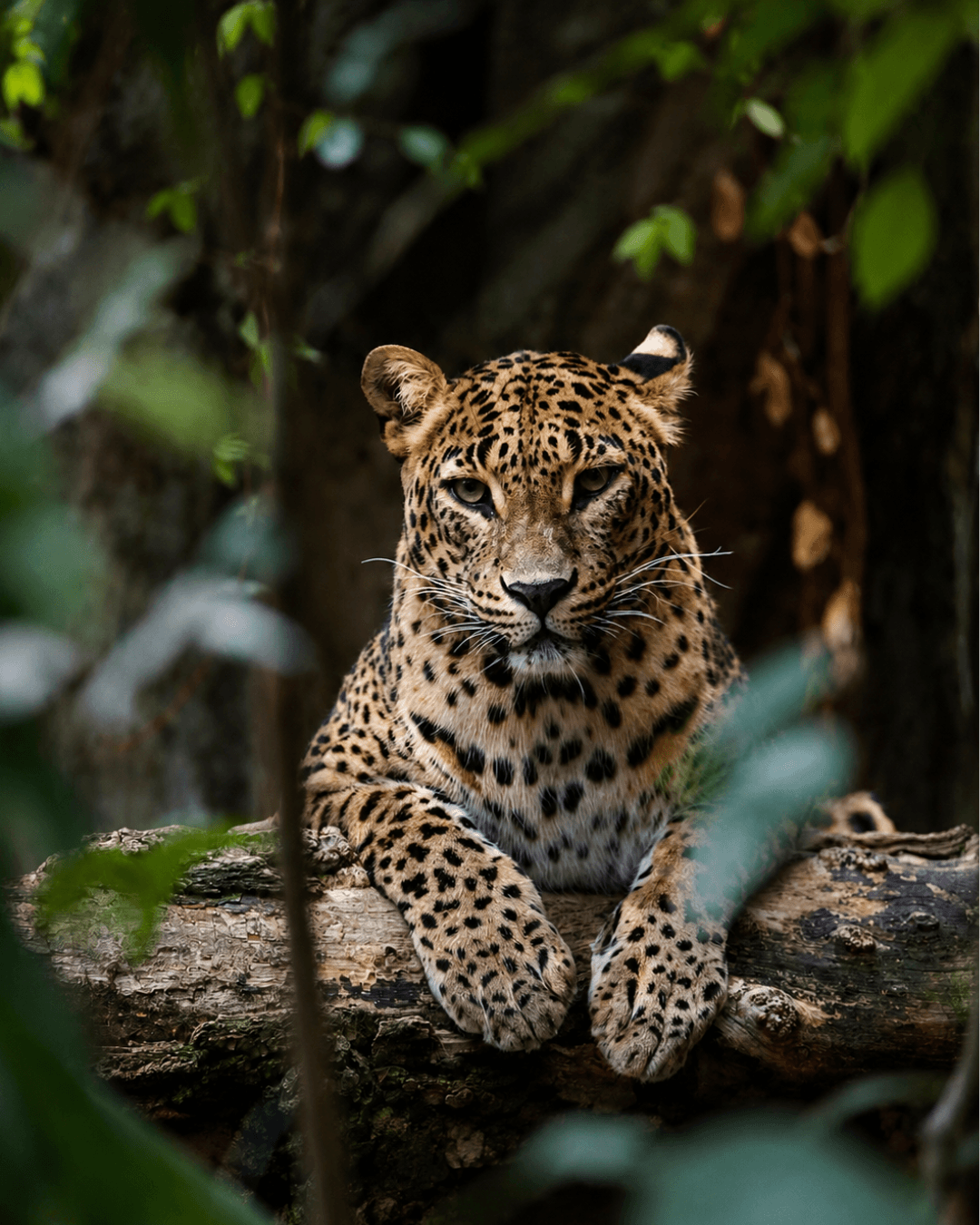
There is a version of a Yala morning that involves being alone on a track at six with a leopard walking towards you, and a version that involves forty vehicles jammed at a bend while somebody photographs a tail in the undergrowth. The park does not decide which one you get. A handful of decisions made before you arrive largely do.
Why the density is so high
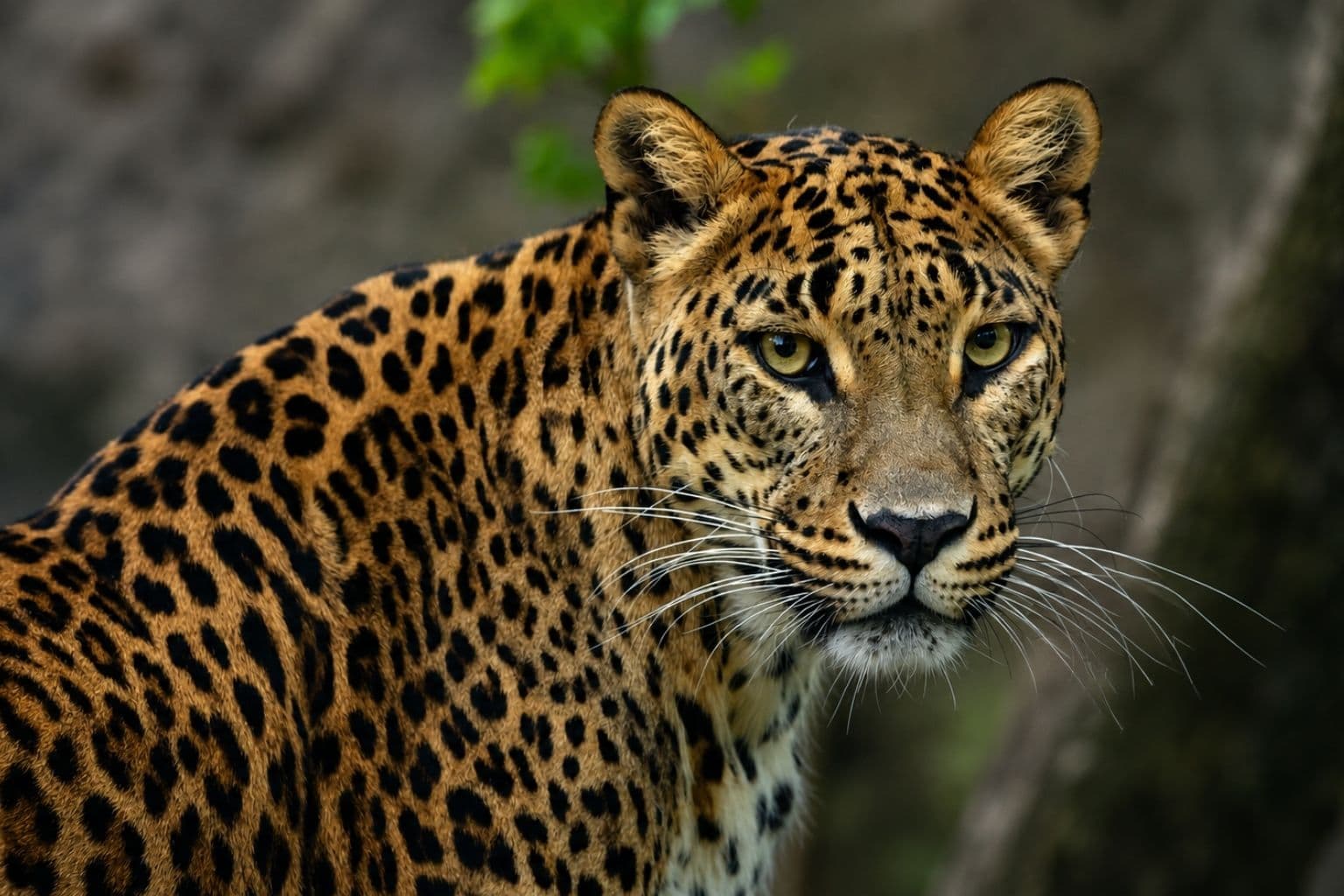
The Sri Lankan leopard is an island subspecies, and crucially it sits at the top of the food chain here. There is no tiger, no lion, no hyena — nothing that competes with it or displaces it. Where a leopard elsewhere in Asia hauls a kill into a tree to protect it and moves at night to avoid larger predators, a leopard in Yala behaves with the confidence of an animal with no rivals.
That is why sightings here are often long and unhurried rather than a flash of spots leaving the road. Block One of the park has recorded roughly one leopard per square kilometre, which as far as anyone has measured is unmatched anywhere.
The gate time problem
The gates open at half past five. The first ninety minutes are when the cats are still moving — crossing tracks, coming down from rocks, finishing a night's hunting — and they are also the ninety minutes before the bulk of the day's vehicles have arrived.
A great many visitors arrive at eight, having had breakfast. By then the animals have settled into shade for the day and every vehicle in the park is converging on whatever the first jeeps found. Nearly every complaint we hear about Yala — that it was crowded, that it felt like a car park, that the sighting was thirty seconds through a gap — traces back to this single decision.
Private jeep, not shared
A shared jeep costs meaningfully less and puts you in a vehicle with five strangers who want different things. One wants birds, two want a leopard at any cost, somebody needs the lavatory, and the driver is trying to satisfy all of them within a four-hour window. It is the most common false economy in Sri Lankan travel.
On a private vehicle you can sit with a sighting for twenty minutes instead of moving on after three, and you can decide to spend the last hour at a waterhole rather than chasing a radio call across the park.
The tracker matters more than the park
Every jeep carries a driver and, on a good operation, a tracker whose entire job is finding animals. The difference between a tracker who knows which waterhole has been producing this week, which female has cubs on which rock, and how to read alarm calls from spotted deer and langur — and one who follows the radio traffic — is the difference between two completely different mornings.
Ask who is driving you before you book. It is the single biggest variable in a Sri Lankan wildlife day and almost nobody asks.
When to go, and when the park closes
February to July is the window. The dry season pulls animals in towards shrinking water and thins the vegetation, which improves both the odds and the visibility. June and July add sloth bear, which come out when the palu trees fruit and are otherwise very difficult to see.
Block One usually closes for September and October for drought management. Dates are announced at fairly short notice, which is a good argument for having someone in the country watching for the announcement rather than discovering it on arrival.
When we suggest somewhere else
Yala is the right answer only if the leopard is genuinely the priority. If it is not, there are better mornings available.
- Wilpattu is larger, more forested and far quieter. Sightings take longer and the experience is better. If you have two wildlife days and value the morning over the tick, we often suggest it instead.
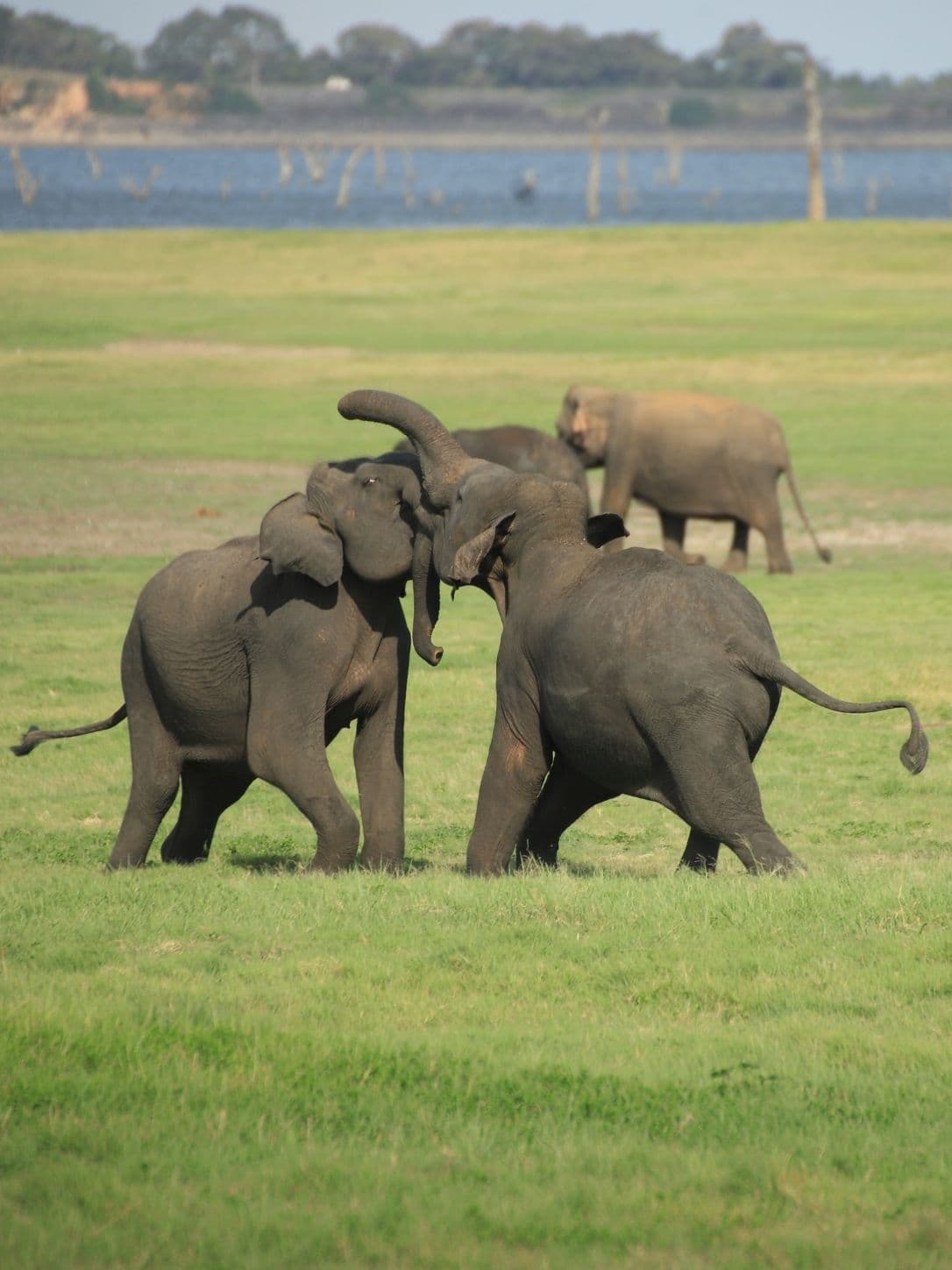
- Udawalawe gives you elephants close to guaranteed, in open country, with a fraction of the traffic. If what you actually want is to watch elephants properly, go here.
- Kumana, on the eastern side and contiguous with Yala, is a major bird nesting site from May to July and sees very few vehicles.
- Gal Oya is the only park in Sri Lanka where the safari is done from a boat, and where you may watch elephants swim between islands.
Questions
What people ask us
Over two full days in the dry season, with a private jeep and a tracker who knows the park, comfortably better than half and often considerably better. A single morning drive in the wrong month is closer to a coin toss.
Yala for density and traffic; Wilpattu for a quieter, more forested park where sightings take longer. If you have the time, Wilpattu usually produces the better experience.
Yes, with the caveat that it is four hours of rough track in heat. One drive a day rather than two works better under about eight, and elephants hold attention far more reliably than the wait for a cat.
Journeys
Where this turns into a trip
Each is private and fully adjustable — a shape to start from rather than a package.
Places
Mentioned in this piece
Keep reading
More from the journal
Sri Lanka Travel Guide3 min read
When to visit Sri Lanka
The island runs two monsoons on opposite coasts at opposite times, which means there is no bad month — only a wrong coast for the month you have chosen.
Honeymoon3 min read
A honeymoon that is not a checklist
The most common mistake in a Sri Lankan honeymoon is trying to see the whole island. The fix is uncomfortable to accept and obvious in hindsight.
Wellness3 min read
Ayurveda, or a spa menu
Sri Lanka has a genuine Ayurvedic tradition and a large industry built on top of it. Telling them apart before you book is worth more than any amount of research afterwards.
When you are ready
Turn this into a journey.
Tell us roughly when you want to travel and what matters to you, and we will come back with a considered outline.